YO AH! THAT’S THE REAL STREET ART.
YO AH! – THE REAL STREET ART.
He lenses the streets, revealing meaning in what others overlook.
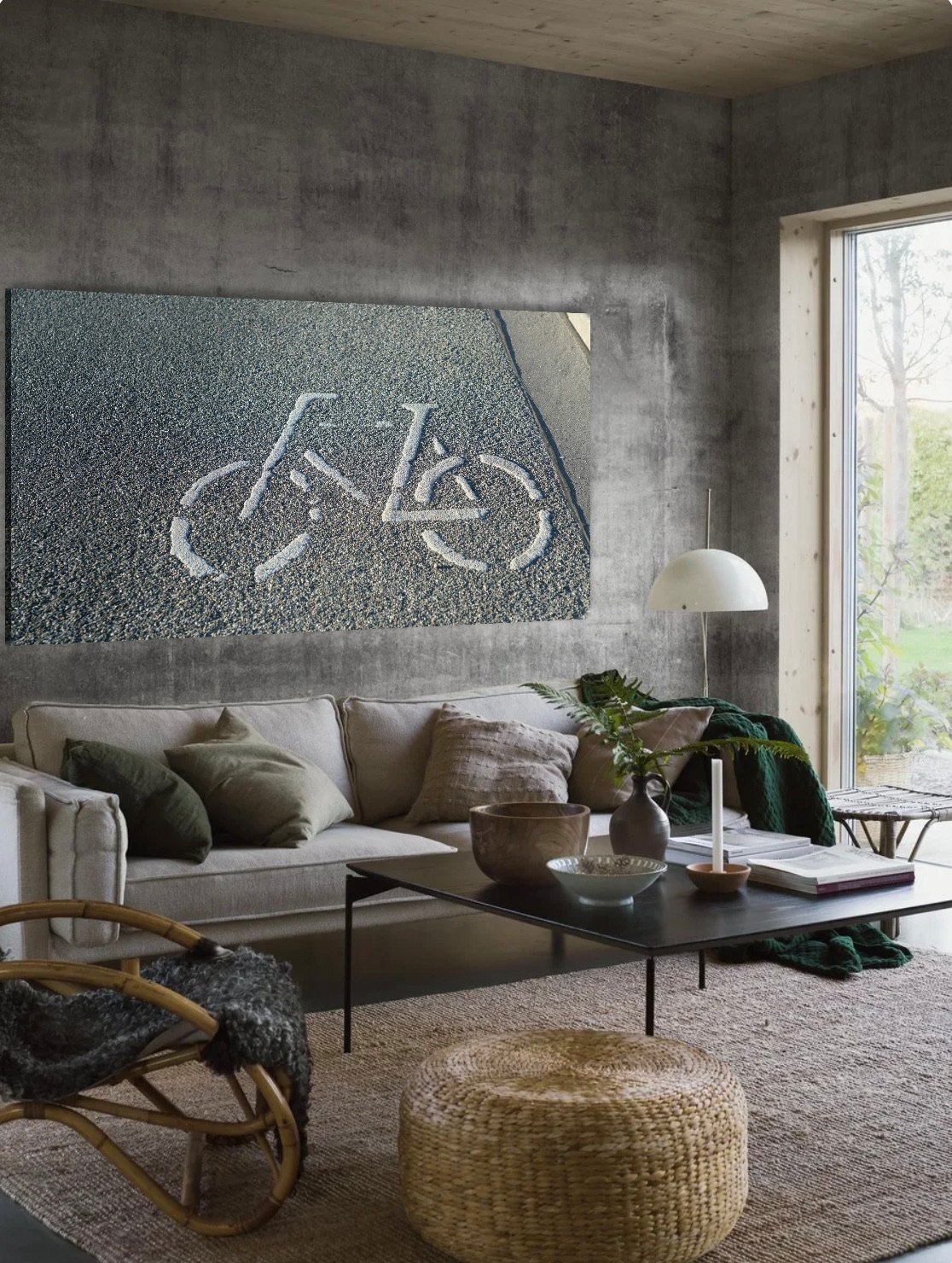
ARTIST STATEMENT ANCHOR
ABOUT
YO AH!
Yo AH! doesn’t take snapshots — he constructs quiet explosions of visual narrative.Trained in cinematographic precision, he revisits locations until light and texture reveal meaning.
Fragments of the every-day — faded signs, ghosted letters, weathered paint — transformed into deliberate compositions, symbolic and exacting.
His lens elevates the overlooked into large-format revelations, meditating on memory, transformation, and the
temporal beauty of decay.
He is the one and only street artist.
YO AH! engages directly with the urban environment.
He explores the street’s textures and traceslistening to its subtle narratives, and translates these encounters into compelling visual metaphors.
This is real street art — works that do more than occupy space. They feel AH!
Yo. Collectors claim powerful symbols, charged with resonance and meaning.
He turns the city’s scars into symbols. His images don’t document — they distill.
Yo AH’s images are not taken — they’re curated.
Each work is a singular original: never staged, never repeated.
The city offers it once. He’s there to find it — to frame it, and translate it into visual narratives.
What begins as a fragment of city detritus becomes a visual narrative — symbolic, deliberate, exacting.
Trained in high-end cinematographic precision, he revisits locations until surface, weather, and light align.
He doesn’t take snapshots — he builds quiet explosions.
This is real street art — not gestures on walls, but the actual street: its ruptures, its scars, its poetry and decay.
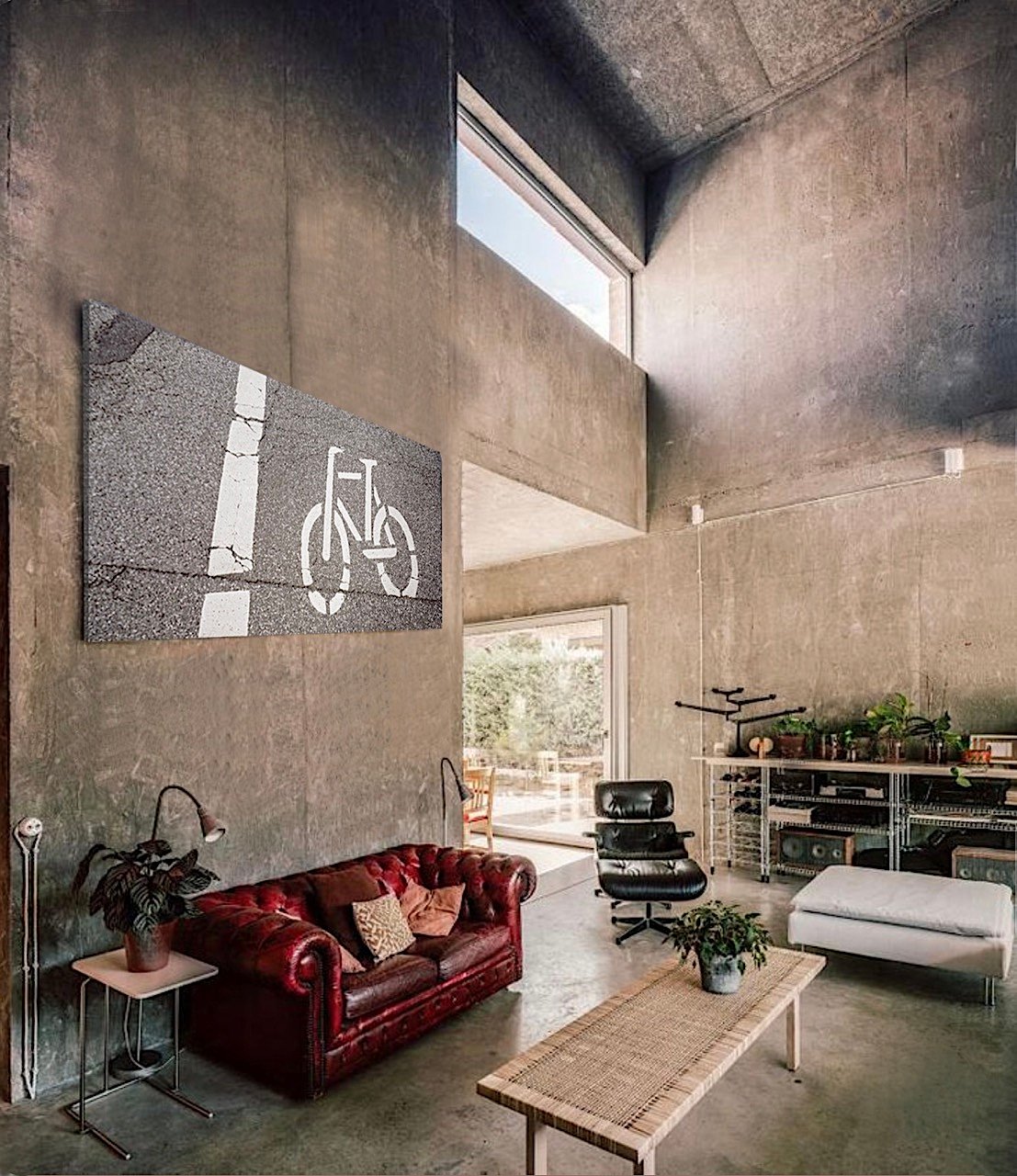
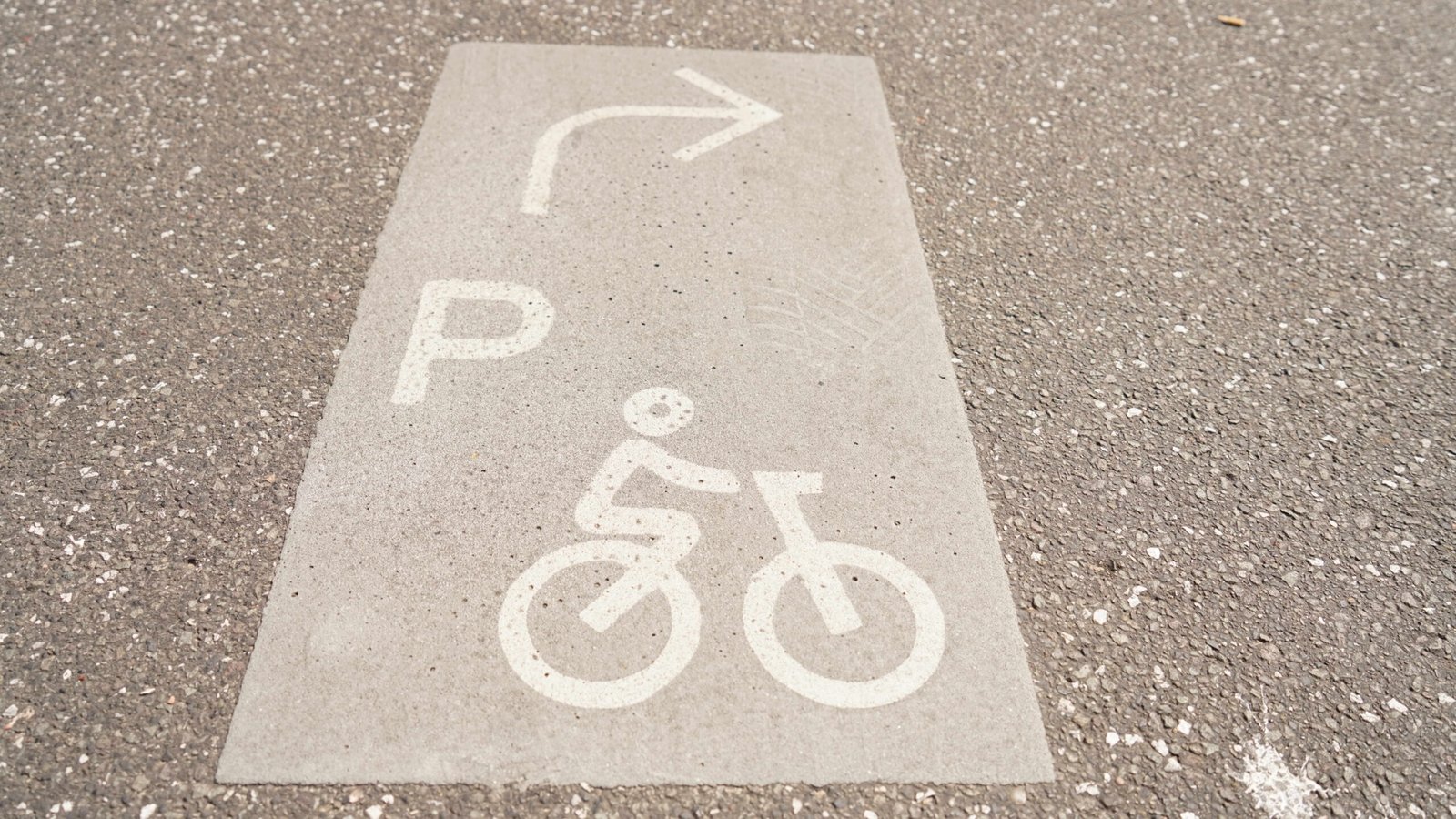
Bike lane symbols, wheelchair signs, arrows, ghosted letters, faded paint — lifted from the asphalt and reframed.
On the gallery wall, they become large-format metaphors of contemporary motion, memory, and much needed transformation.
Crosses becomes a marvel of minimalism — a modern rune evoking the ghost of religion’s influence.
His lens isolates the overlooked and reframes it as cultural relics — ghosted letters, bike lane symbols, weathered paint, wheelchair signs, faded crosses.
Would you think to find meaning in something most people just walk past?
Most don’t notice. That’s right. But those who do — they see the world anew. There’s humor, too: a bike symbol with only half a saddle left. A chalk repair by children.
A toilet bowl on a bike lane — as if Duchamp hadn’t found it yet.
These aren’t gags — they’re visual riddles.
The viewer reconstructs the whole from a
fragment.
And once several works hang side by side, comparison becomes irresistible.
The gallery becomes a space for slow revelation — visual dialogue over time.
Behind the frame: broken cameras, frozen fingers, a thousand honks — and ouch, Yo AH! run over by a bike.
The cost isn’t the story — but it’s part of the journey. These are earned images.
BBB is about icons — not of trend, but of perspective.
Symbols that reflect how we see, where we stand, and what we choose to remember.
These are not depictions. They’re metaphors — meaningful, precise, iconic, poetic.
Collectors don’t just hang these works — they claim powerful symbols.
Yo AH! pushes French conceptualist Marcel Duchamp’s readymade further,
elevating motifs trouvés from the street into works of art for our walls.
CYCLE-1 ANCHOR
CYCLE 1
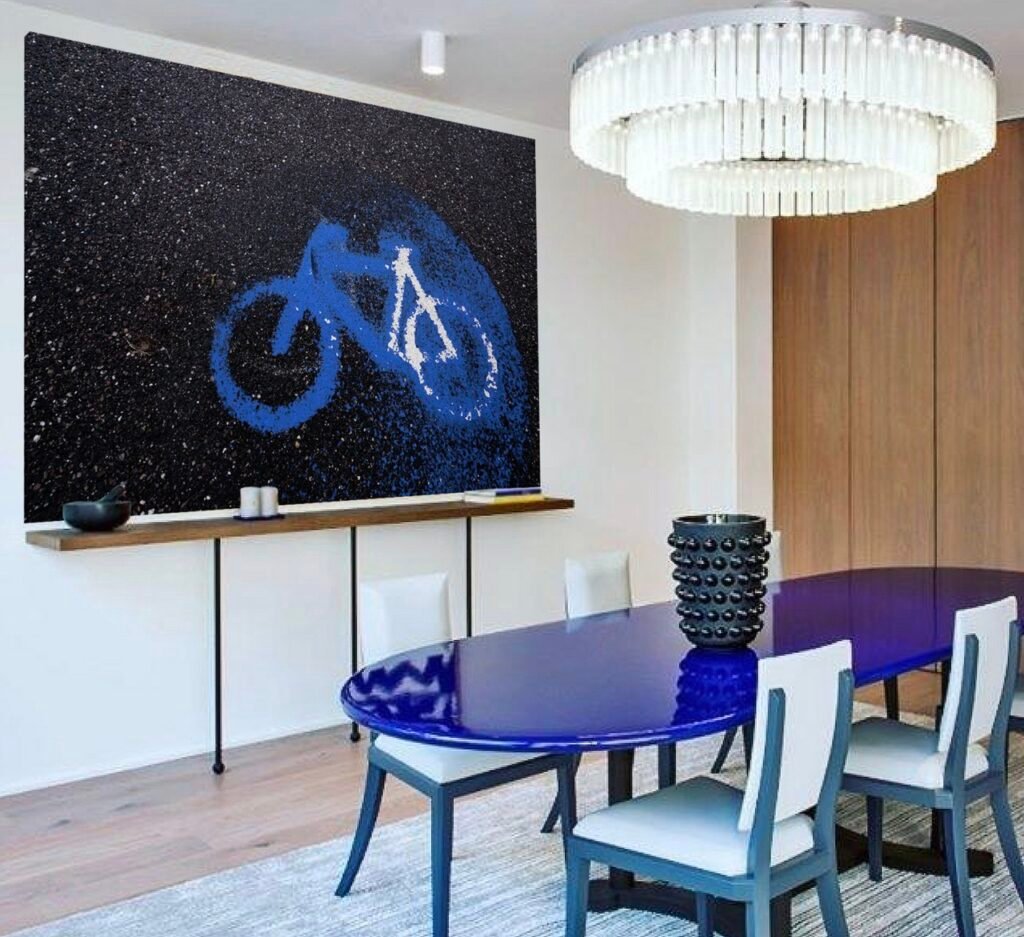
BICONIC
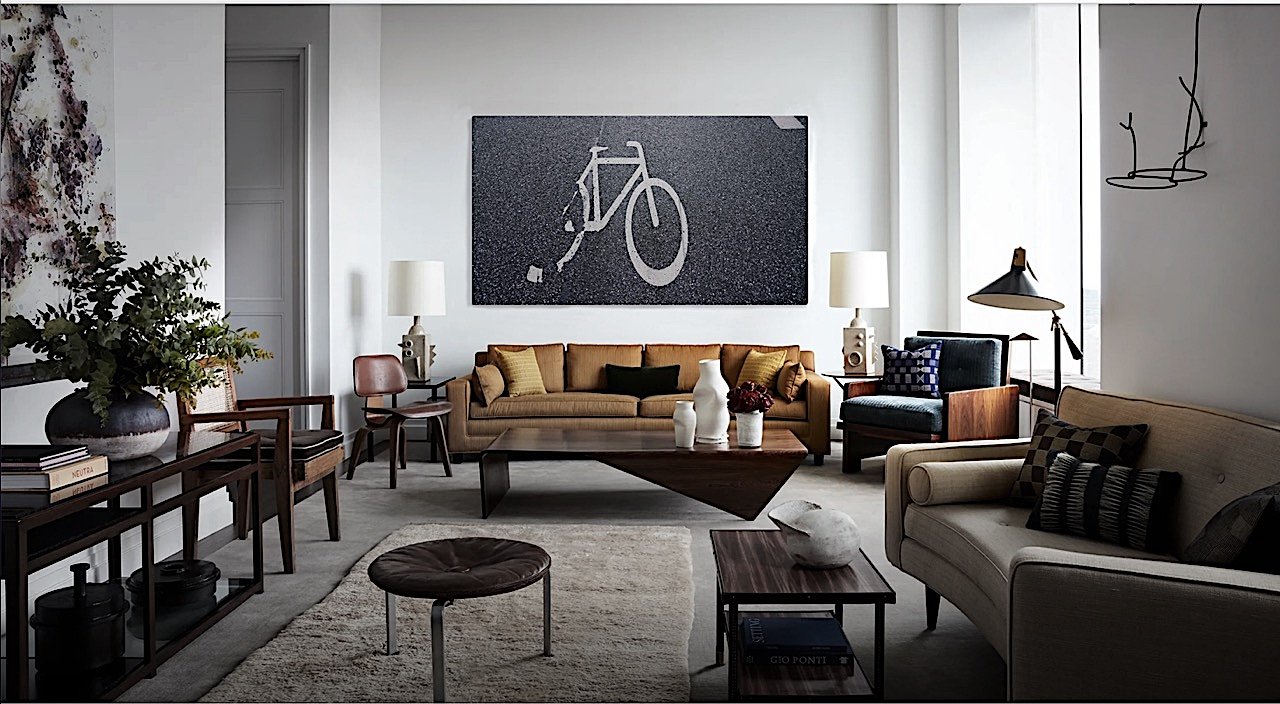
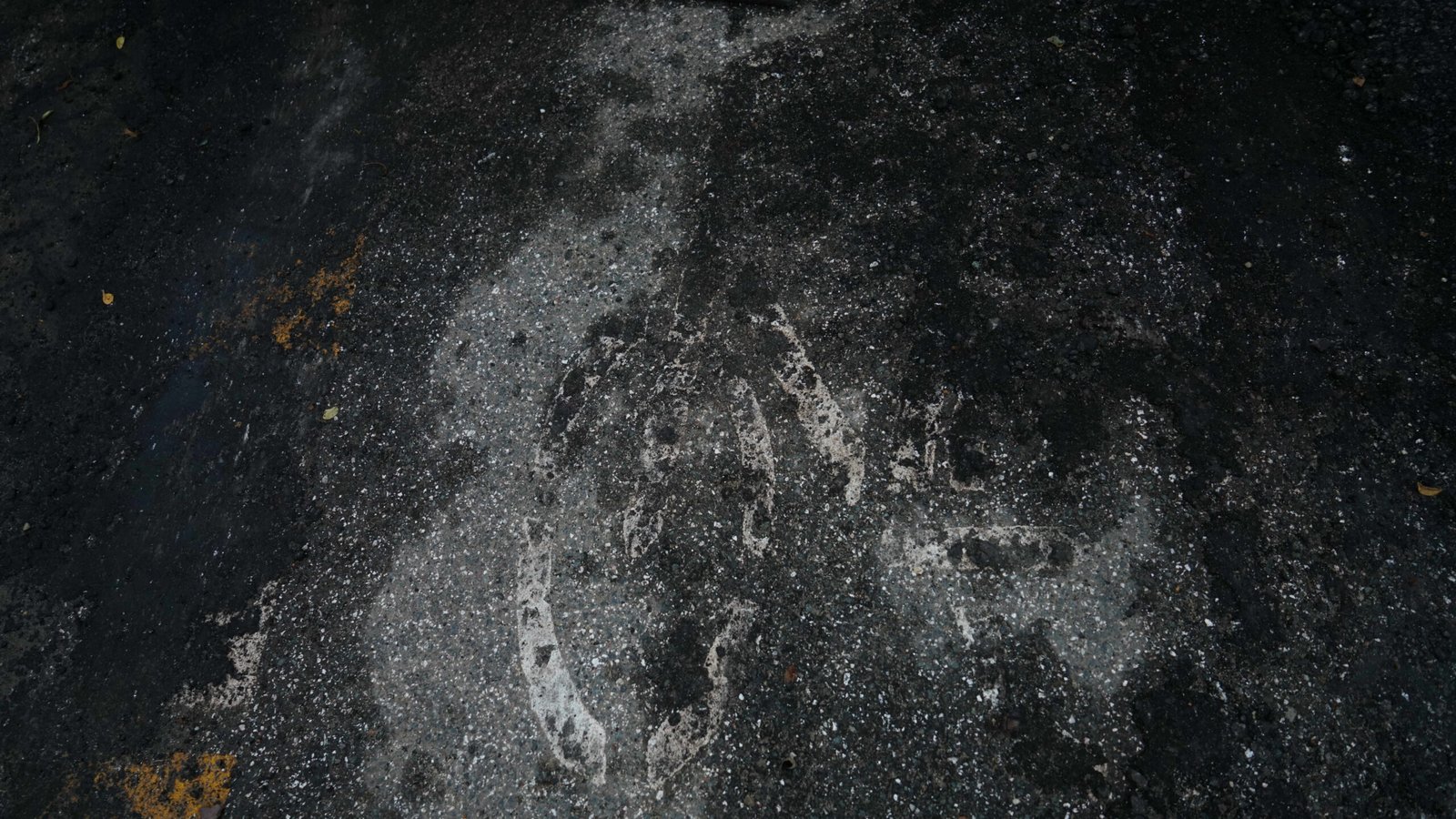
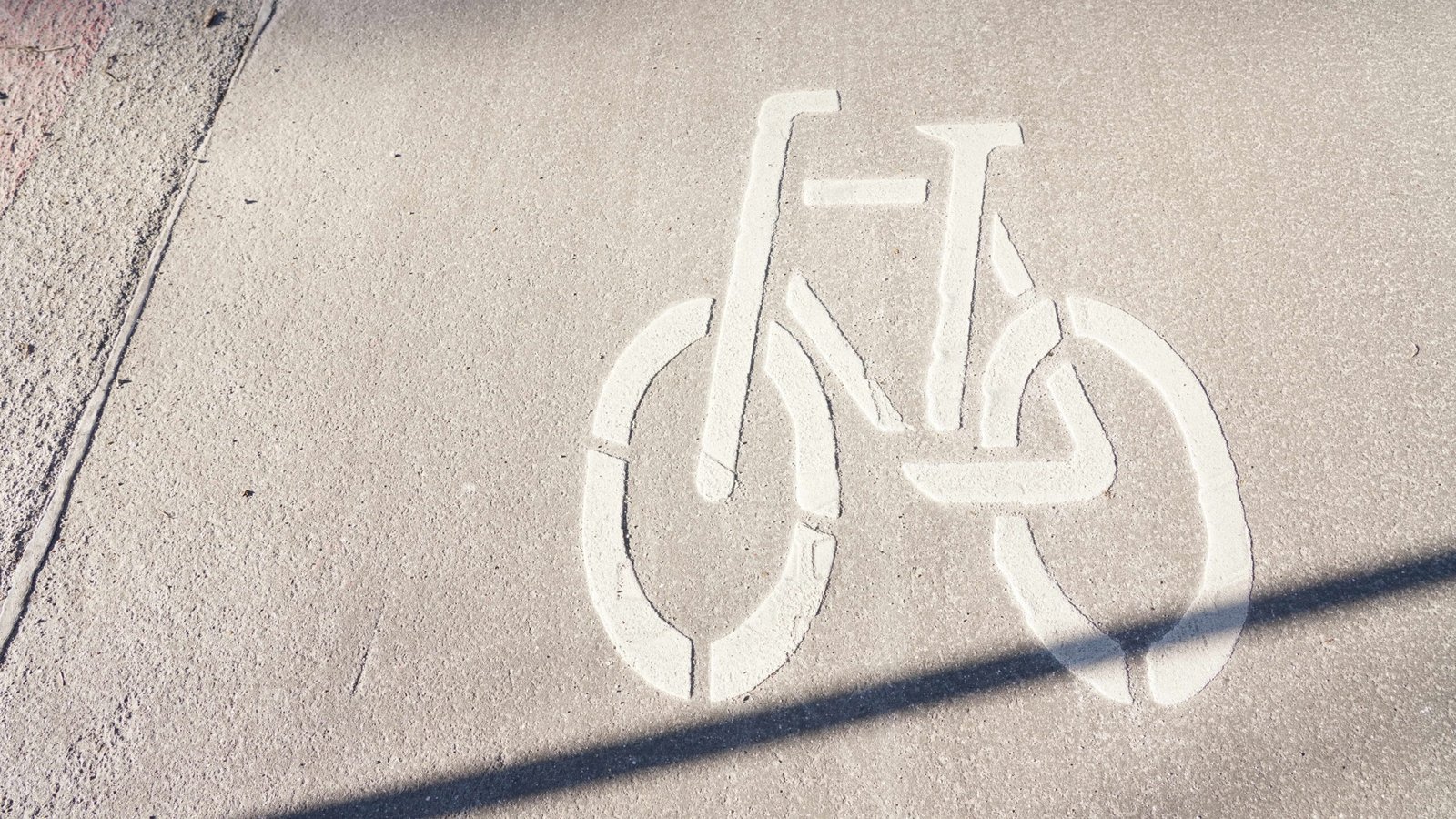
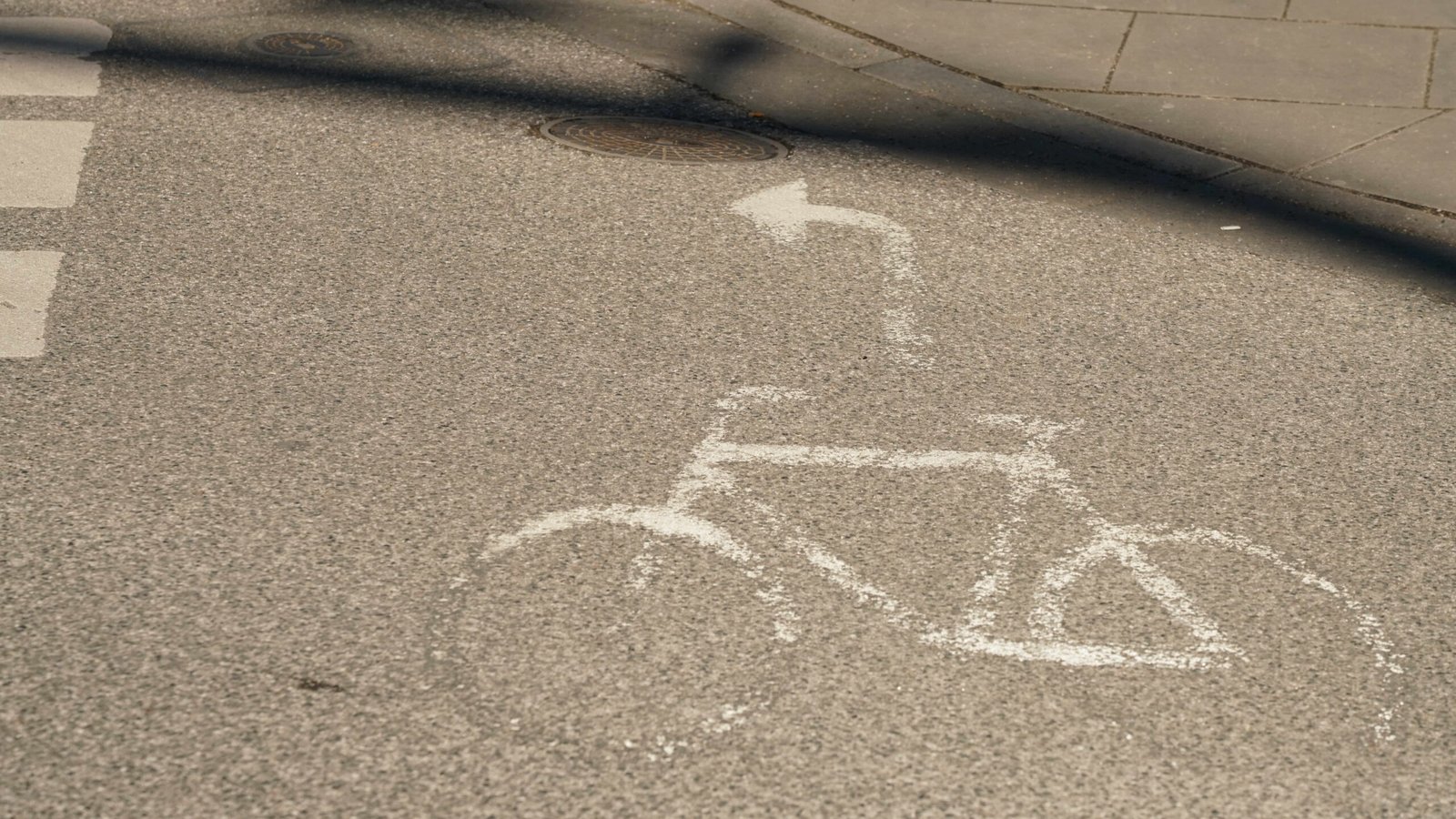
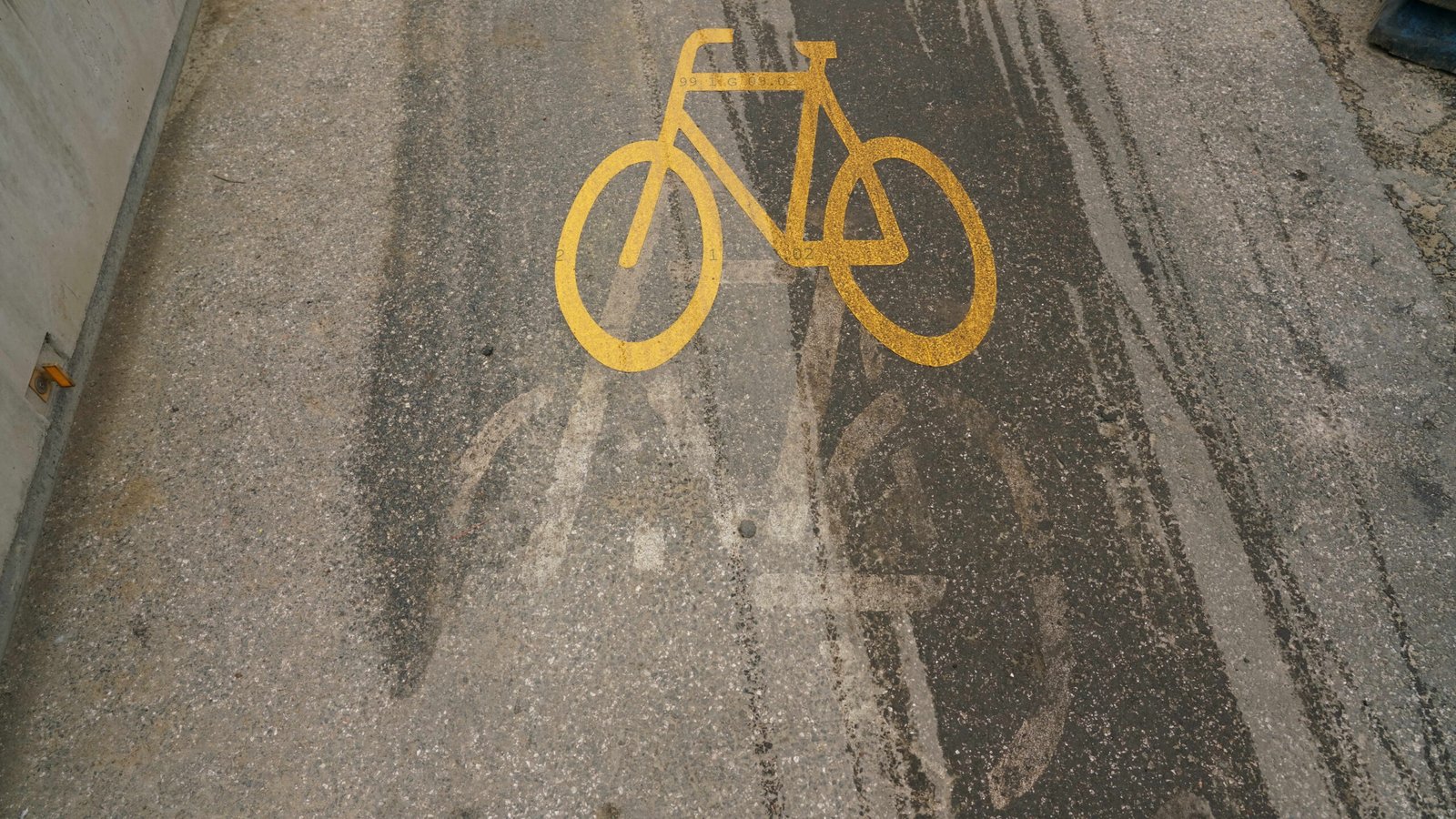
They were meant to be the same. Standardized. Applied with precision — clean white lines, a universal figure, clear direction.
But time doesn’t care for blueprints.
Neither does weather. Or traffic.
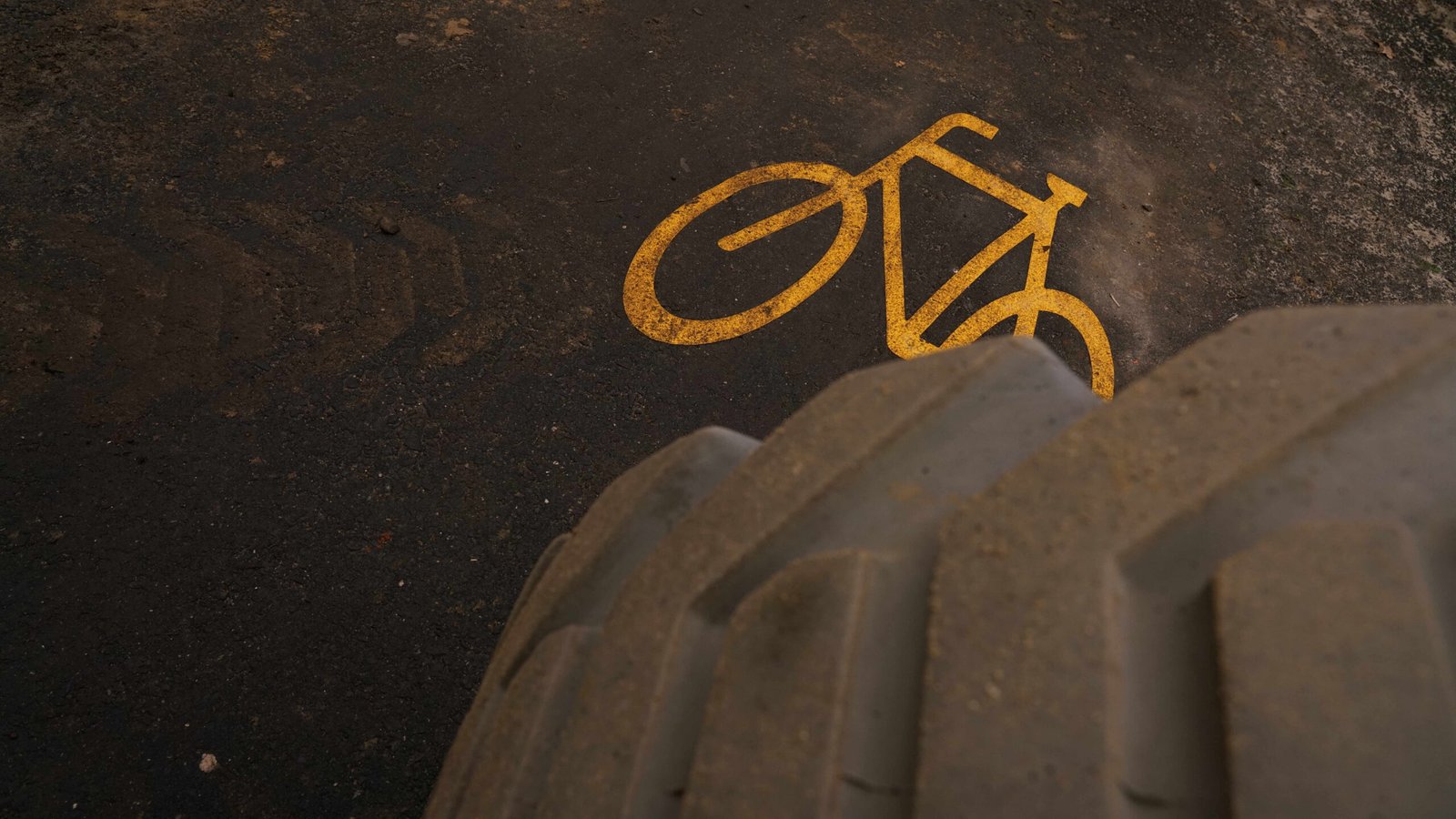
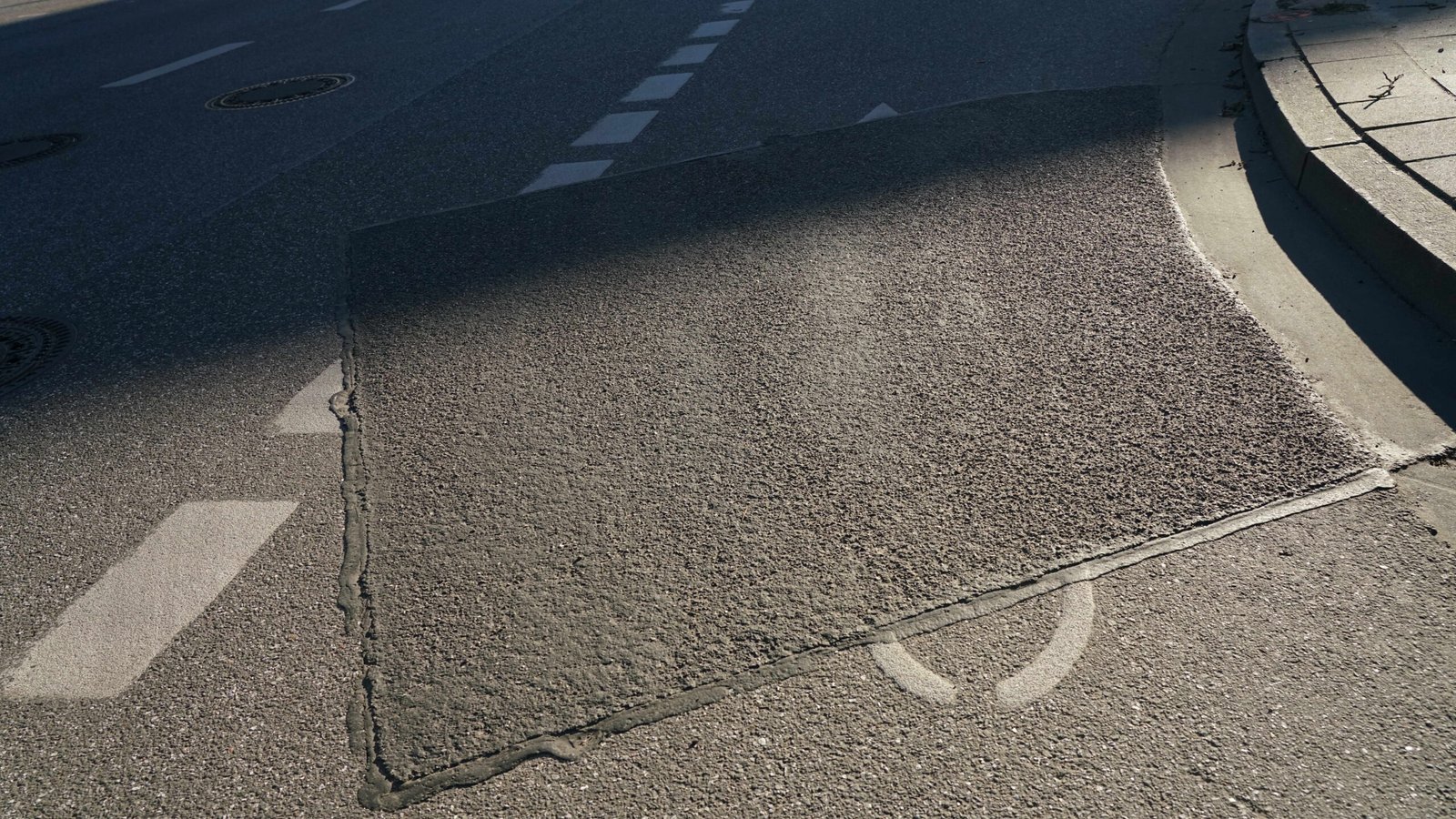
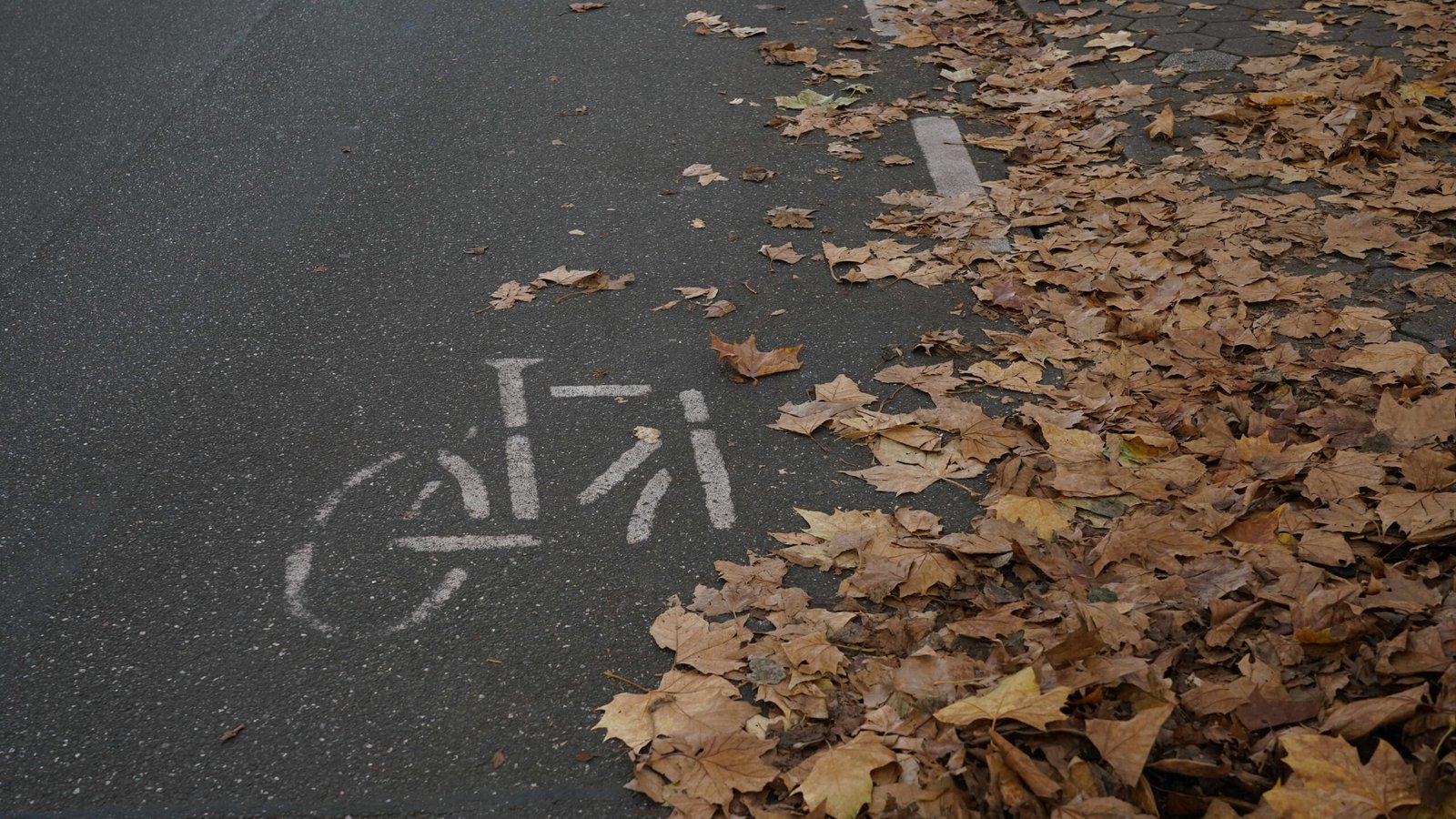
These symbols get bent. Faded. Painted over. Repainted. Flipped. Squeezed. Worn by wheels, cracked by heat, buried under snow, carved by sand, cut by construction.
And yet: they endure.
They keep speaking. They keep protecting.
Some lean forward like they’re racing.
Some have lost half a wheel.
Some look like they’re hesitating. Some are barely visible at all — a ghost of what they once were.
But we still see them. Still know what they mean. That’s how icons work. And maybe this is where the exhibition turns — from street archive to self-portrait.
Can you see yourself in one of these?
Not just as a biker, but as a shape. A mark.
A lived surface. Scarred, faded, stretched,
redefined. Still moving. Still seen.
We’re all cut from the same design, aren’t we? But shaped by context, collisions, pressure, time
. And just like them — some of us emerge not broken, but distinct. Interesting. Singular. Iconic.
So maybe the real question is:
Can you find the one that feels like you?
Can you claim it? Hang it? Own it?
Say: I am part of this.
Say: I ride. I matter. I am BICONIC.
So maybe the real question is:
Can you find the one that feels like you?
Can you claim it? Hang it? Own it?
Say: I am part of this.
Say: I ride. I matter. I am BICONIC.
In these images, the viewer isn’t just observing — they’re being observed.
It feels cinematic. The preserved animals seem to hold eye contact. They confront us. As much as they once stood for knowledge or wonder, they now reflect something else: loss, responsibility, complicity.
The museum becomes a theatre of reversal.
We look at these creatures from behind glass, but their gaze meets ours. And with it comes a quiet, unsettling question: Who is really on display?
What was once a triumph of preservation now stands as a relic of absence.
A shadow of life. Not nostalgia — but a warning. These dioramas were built to teach. Now they testify.
Each work by Itsa Bercy captures that tension: between life and stillness, beauty and threat. Between us and them. These aren’t just photographs — they’re portraits of a vanishing world, one that may soon exist only behind glass. And this is where the viewer becomes participant.
Collectors and curators who bring these works into view don’t just show images — they amplify awareness.
A work that touches the soul, even in an uncanny way, proves that its message has reached us. To exhibit these images is to help them speak. And to give them space is to let them warn — while there’s still time.
C Y C L E 1
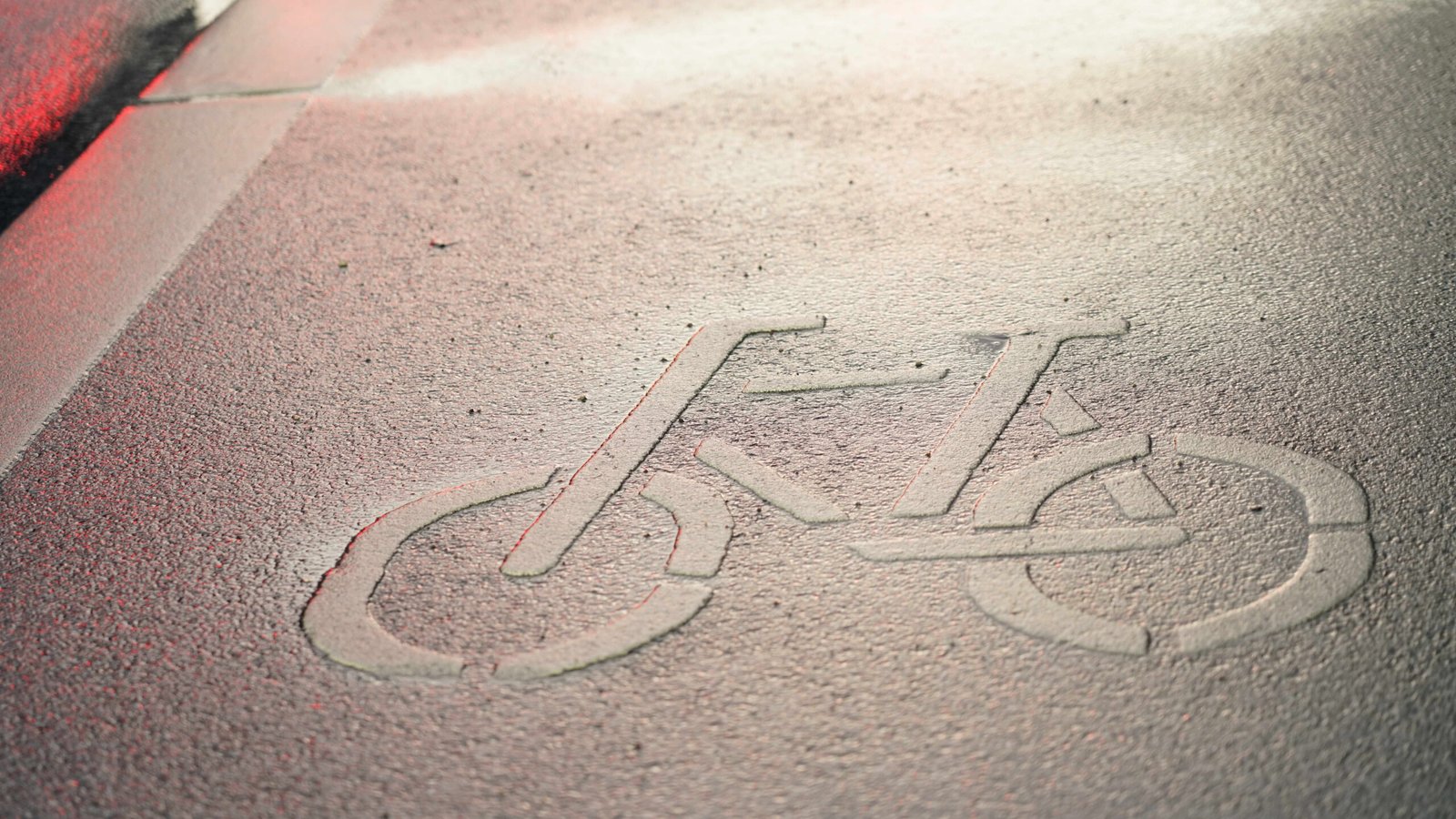
241001019177
B.ICONIC, YES I AM !
Inkjet print on fineart canvas.
ED. 1/1 140cm X 250cm
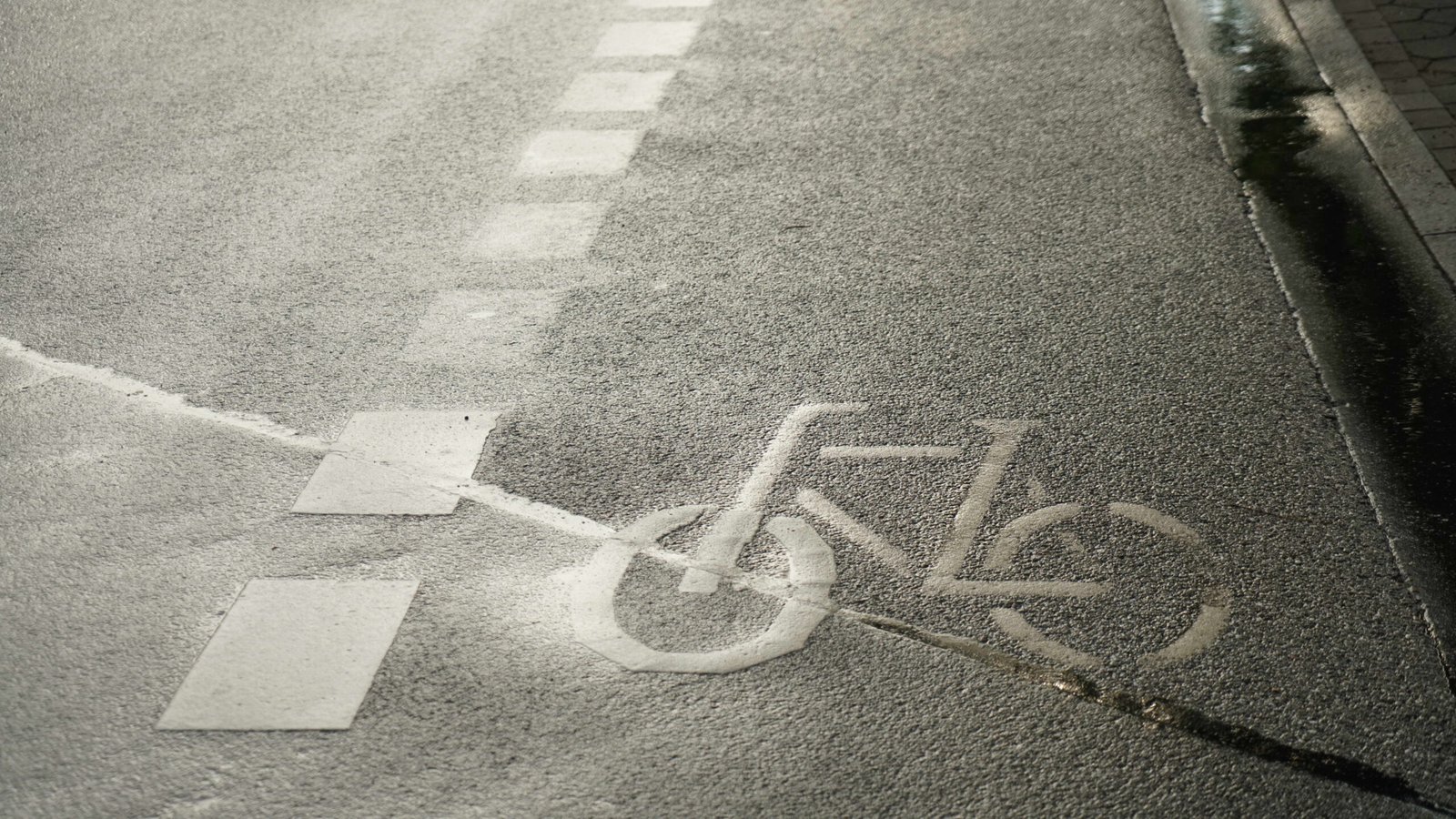
240701014215
B.ICONIC, YES I AM !
Inkjet print on fineart canvas.
ED. 1/1 140cm X 250cm
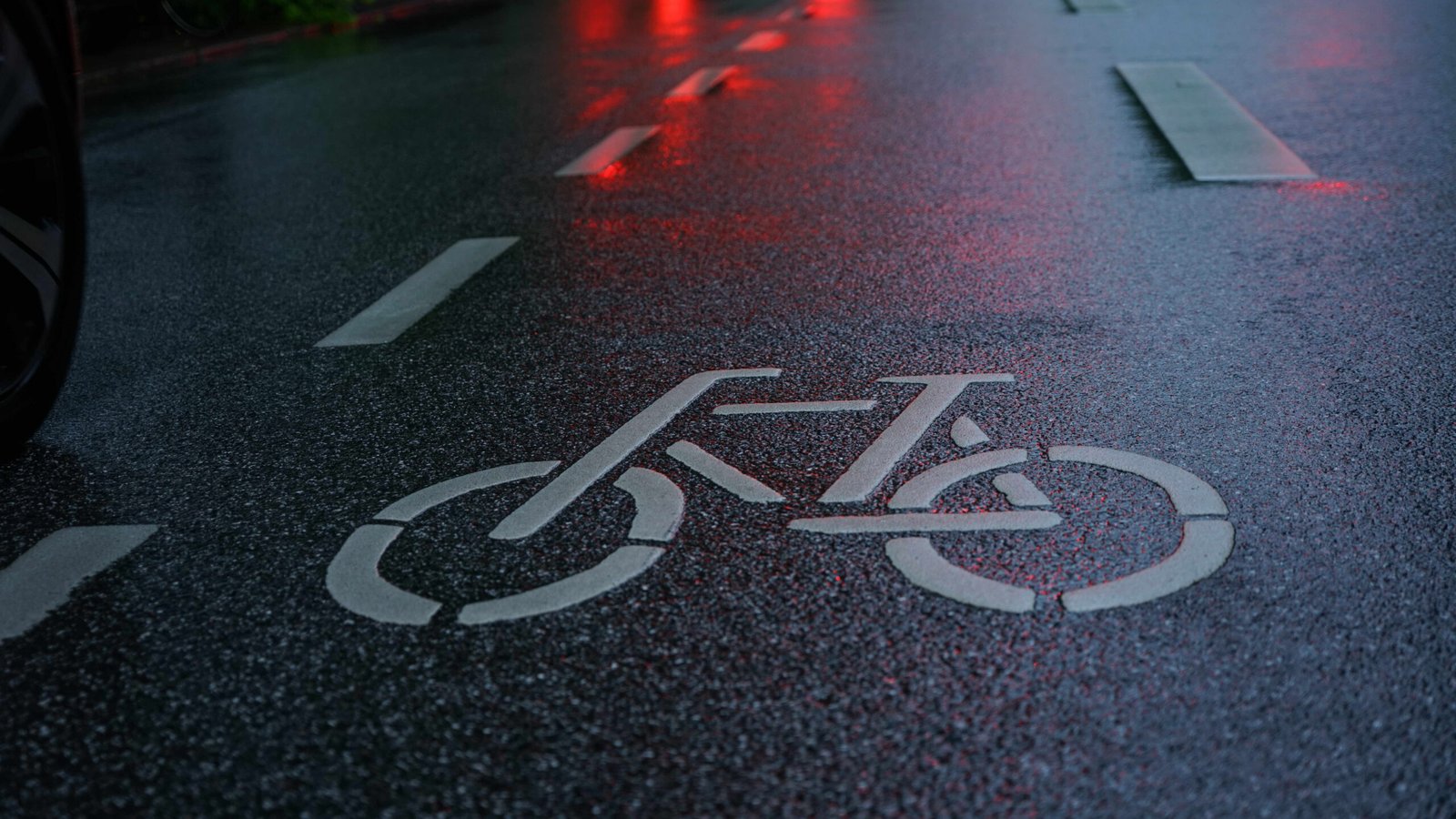
240801010890
B.ICONIC, YES I AM !
Inkjet print on fineart canvas.
ED. 1/1 140cm X 250cm
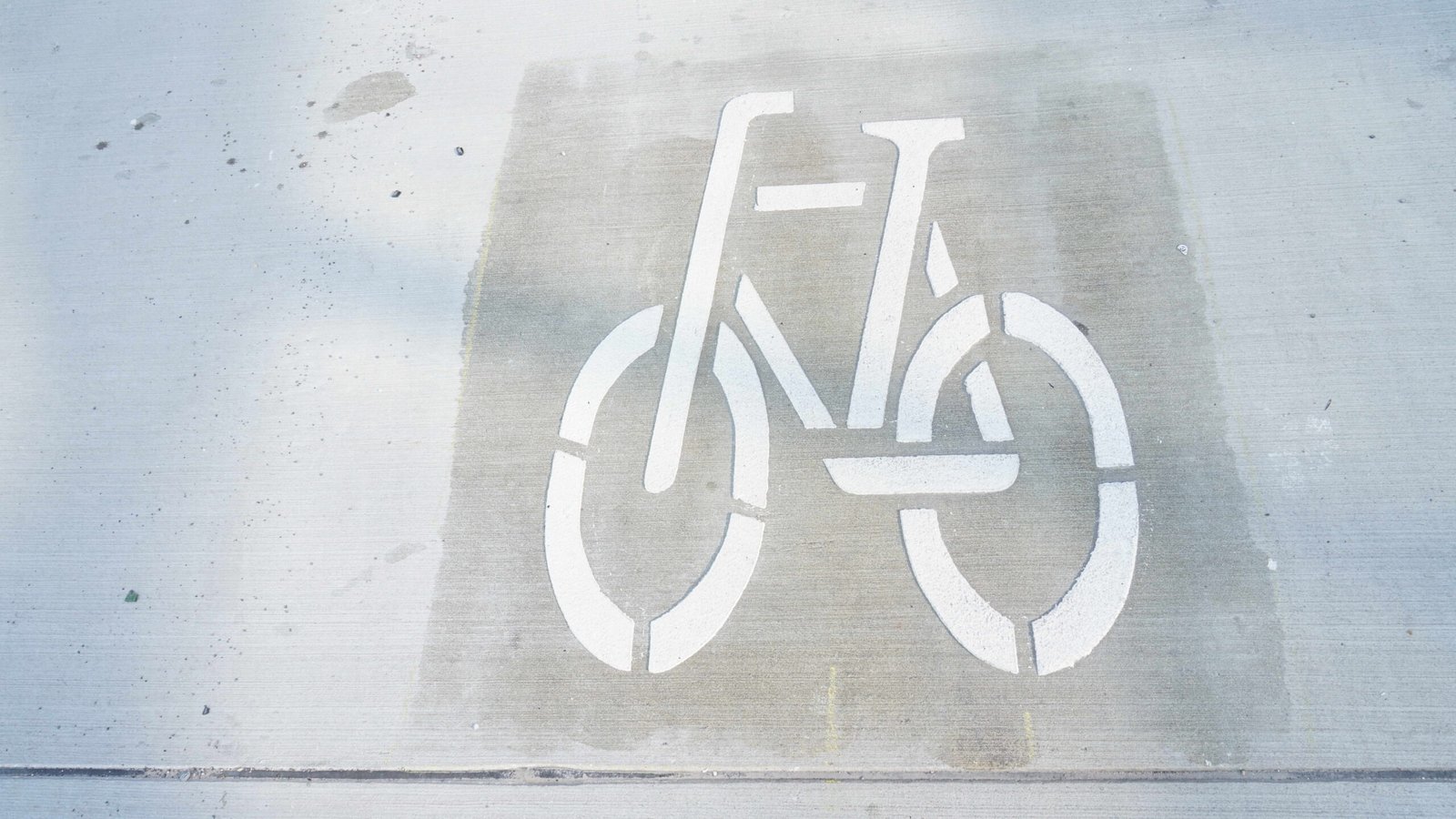
240802011405
B.ICONIC, YES I AM !
Inkjet print on fineart canvas.
ED. 1/1 140cm X 250cm
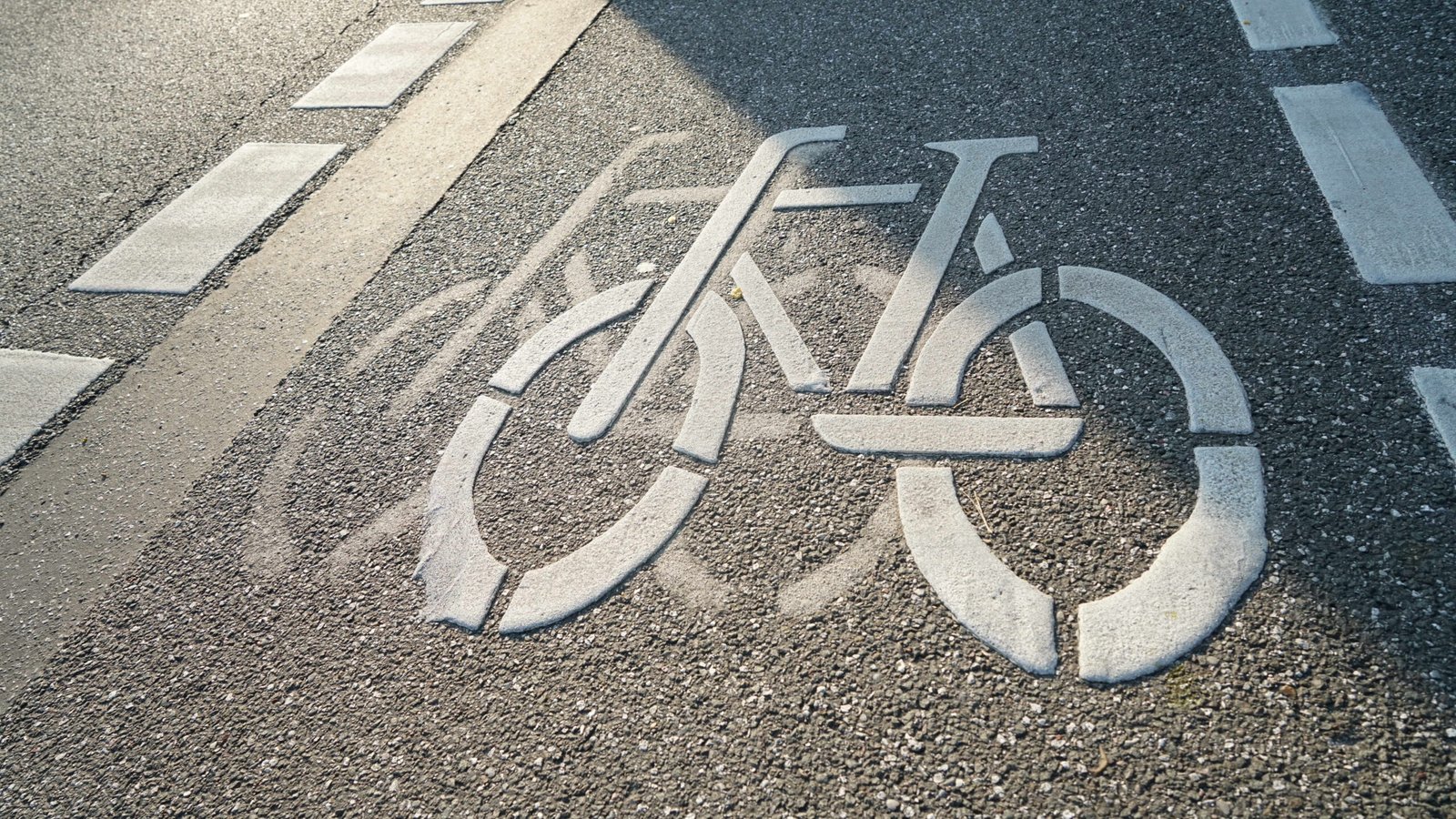
240806017045
B.ICONIC, YES I AM !
Inkjet print on fineart canvas.
ED. 1/1 140cm X 250cm
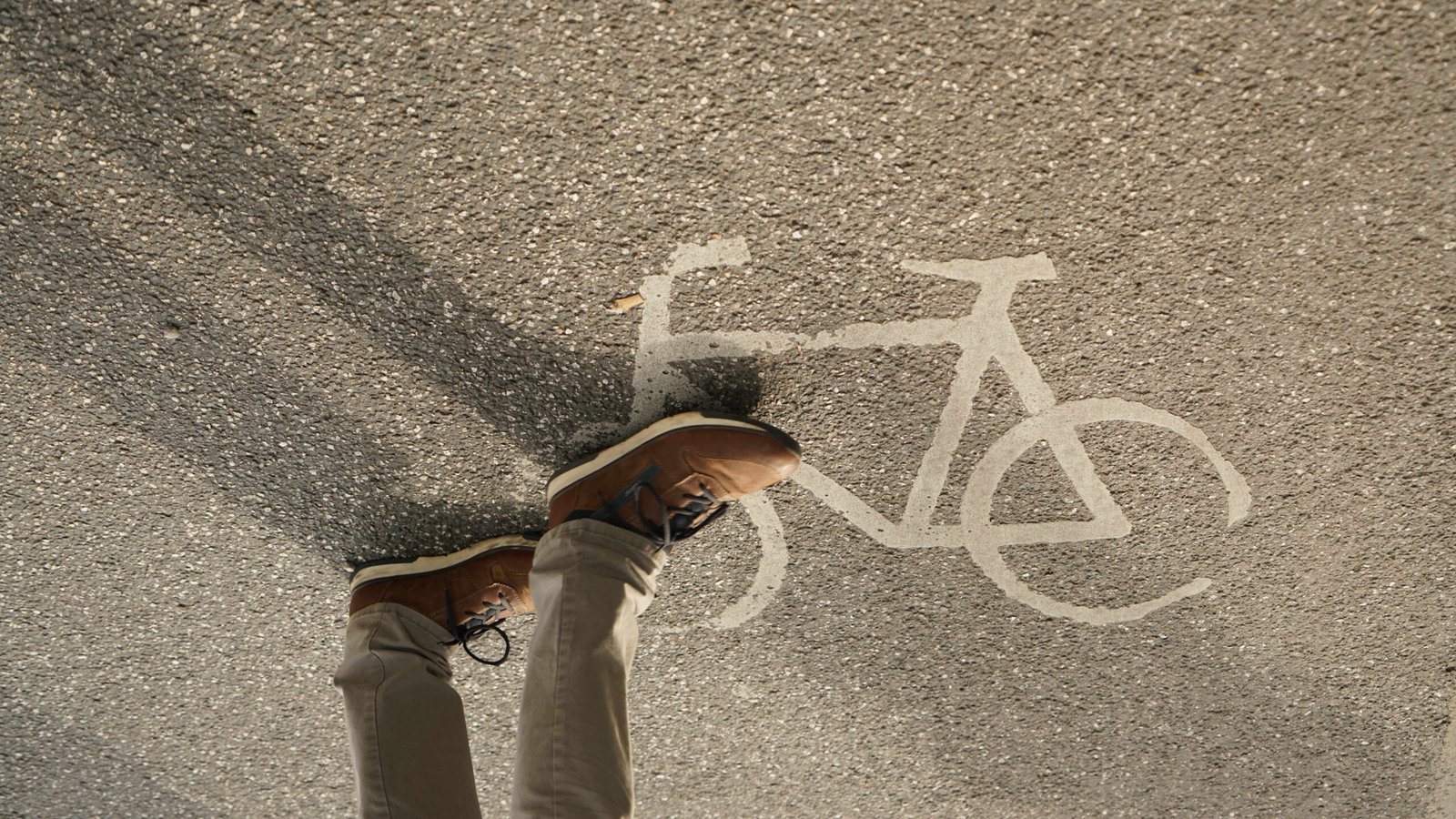
240701018114
B.ICONIC, YES I AM !
Inkjet print on fineart canvas.
ED. 1/1 140cm X 250cm
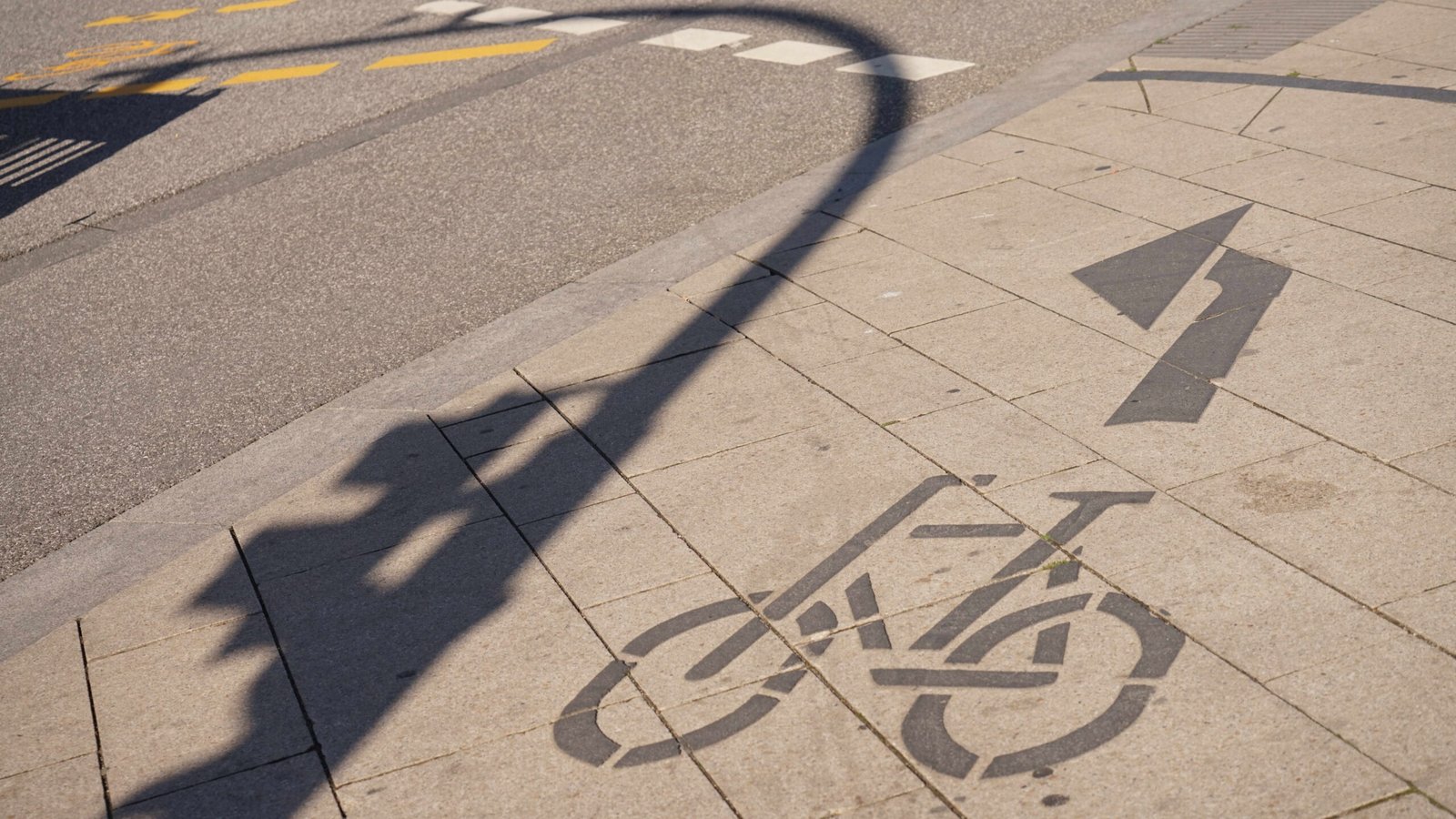
240803017264
B.ICONIC, YES I AM !
Inkjet print on fineart canvas.
ED. 1/1 140cm X 250cm
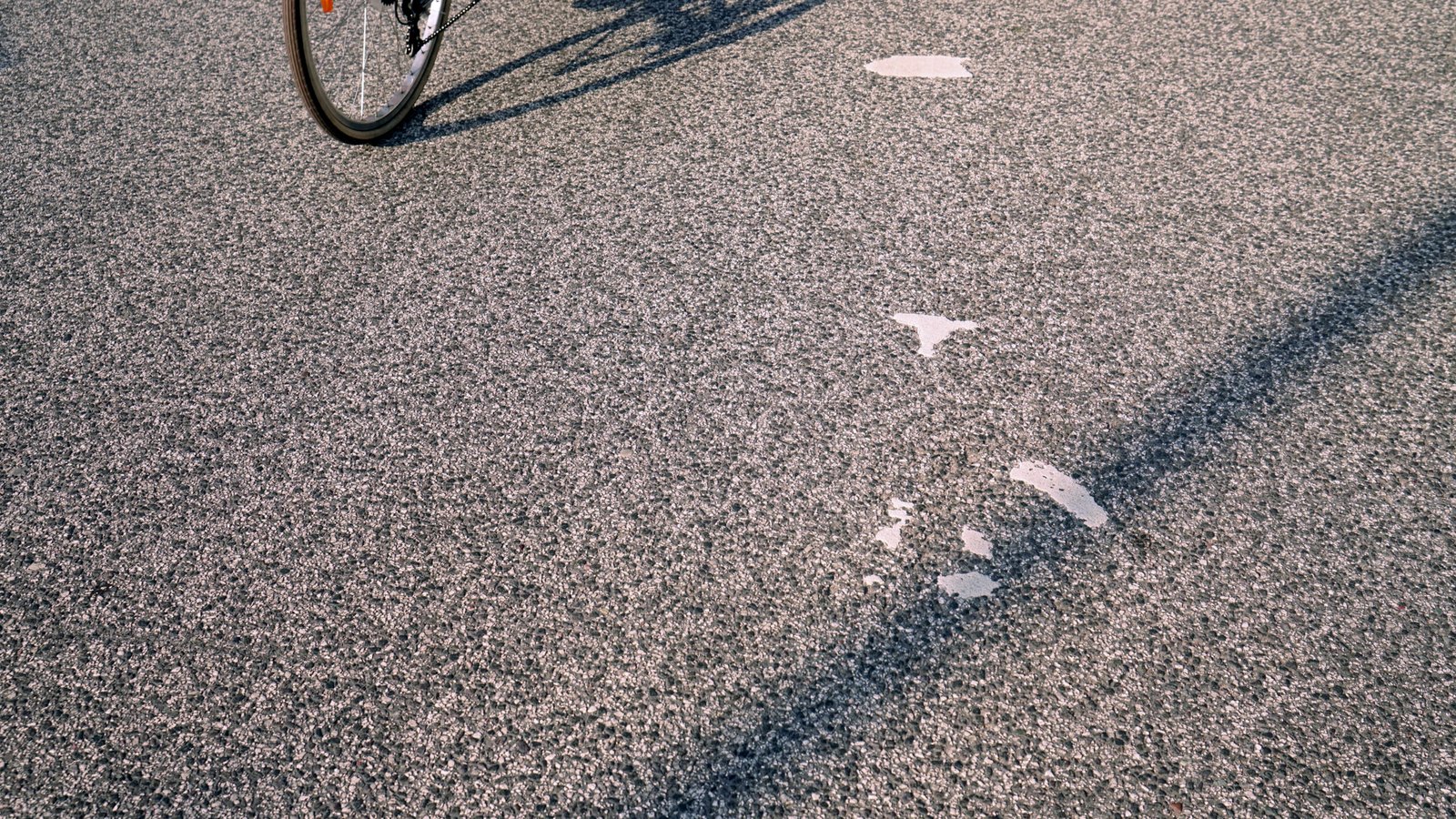
240803015171
B.ICONIC, YES I AM !
Inkjet print on fineart canvas.
ED. 1/1 140cm X 250cm
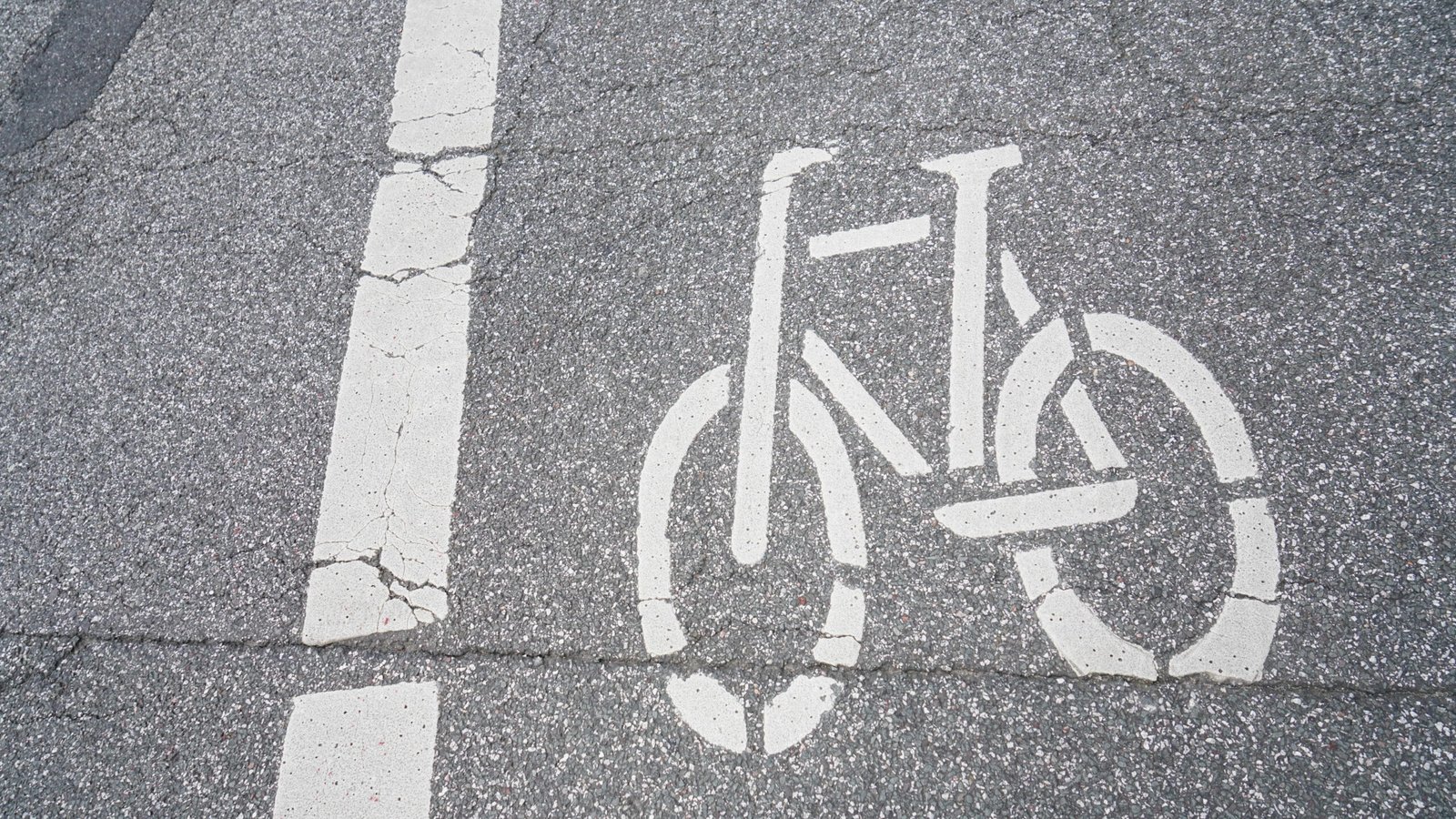
240803010460
B.ICONIC, YES I AM !
Inkjet print on fineart canvas.
ED. 1/1 140cm X 250cm
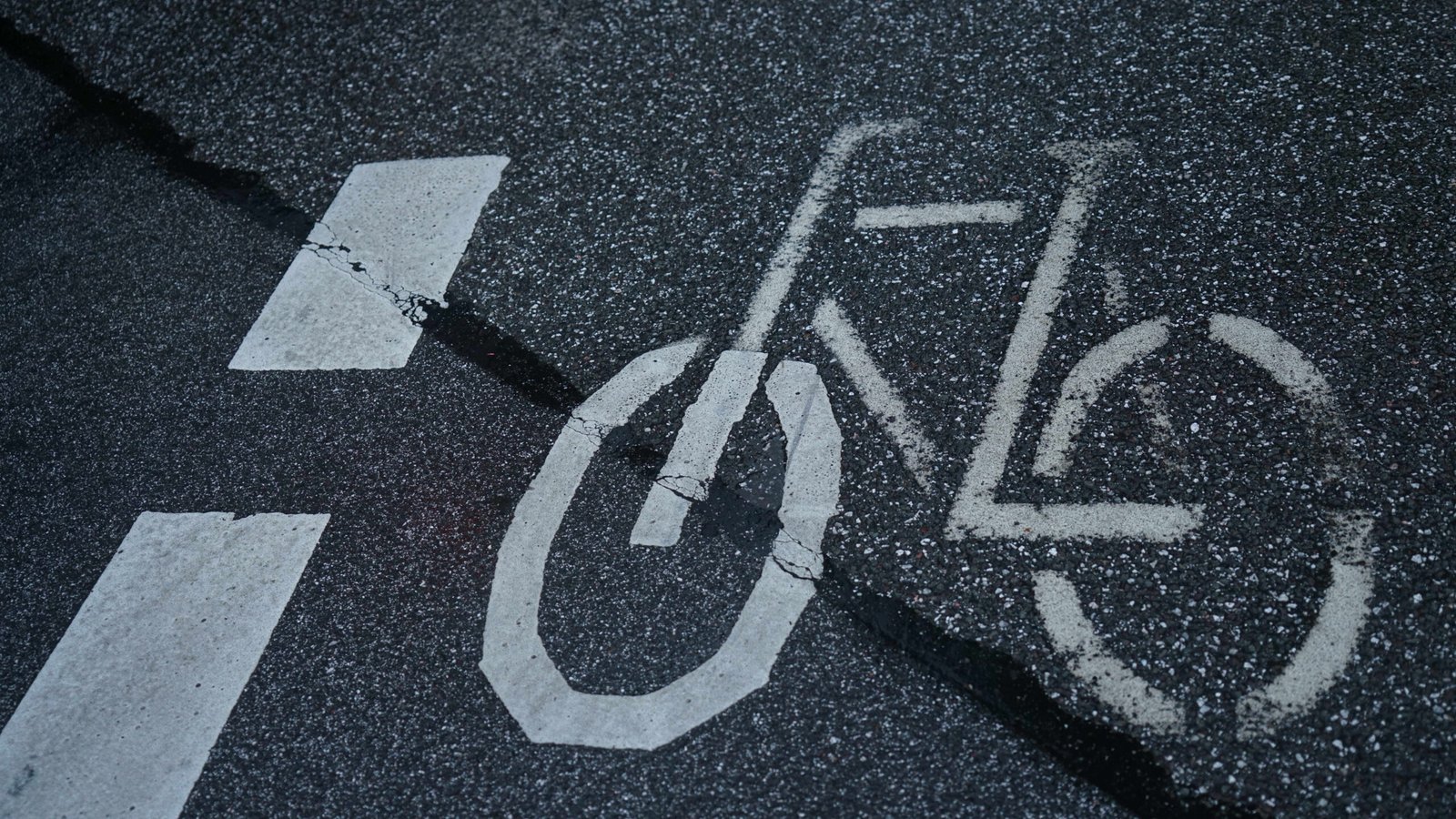
240801011019
B.ICONIC, YES I AM !
Inkjet print on fineart canvas.
ED. 1/1 140cm X 250cm
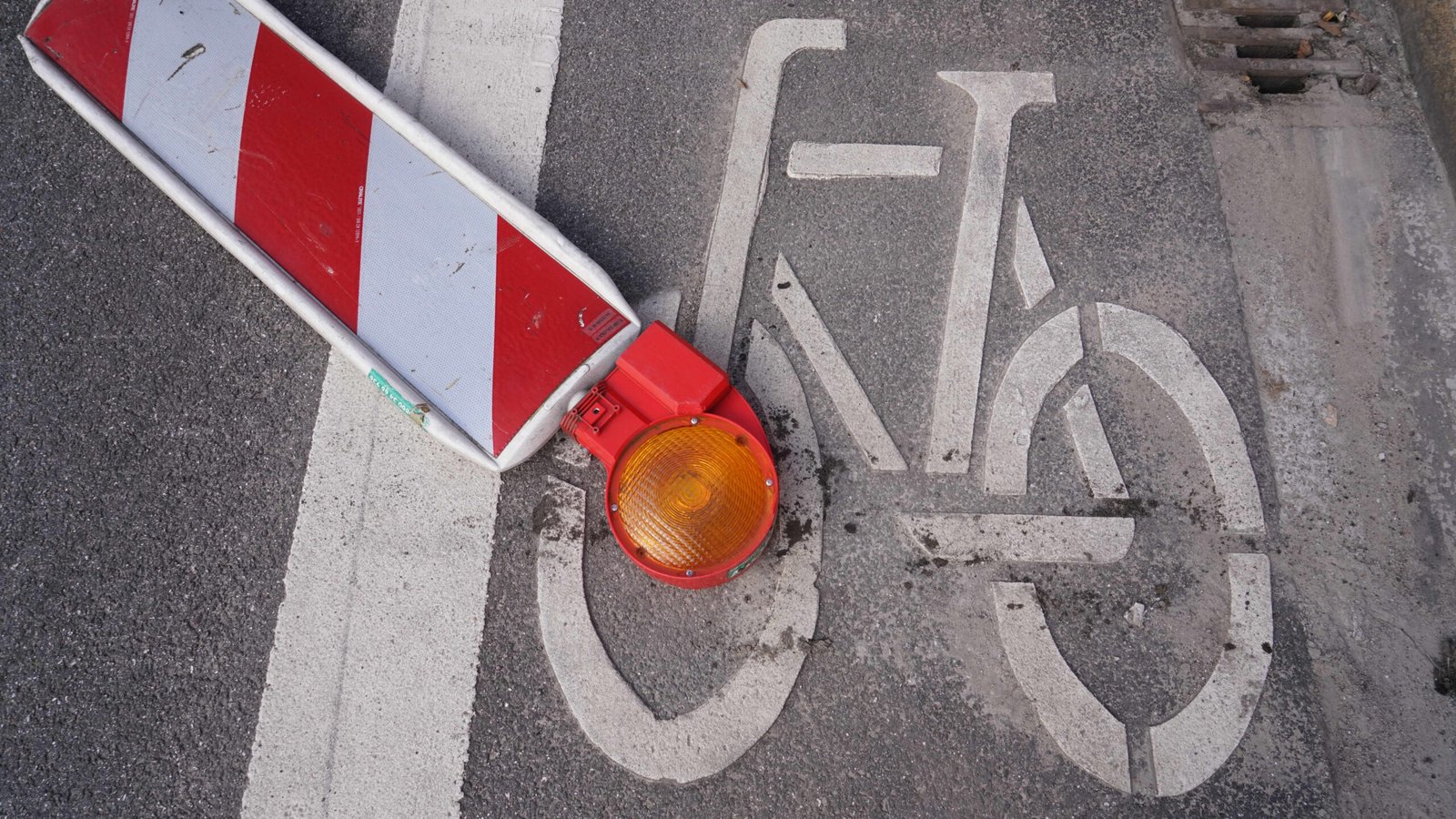
240803013310
B.ICONIC, YES I AM !
Inkjet print on fineart canvas.
ED. 1/1 140cm X 250cm
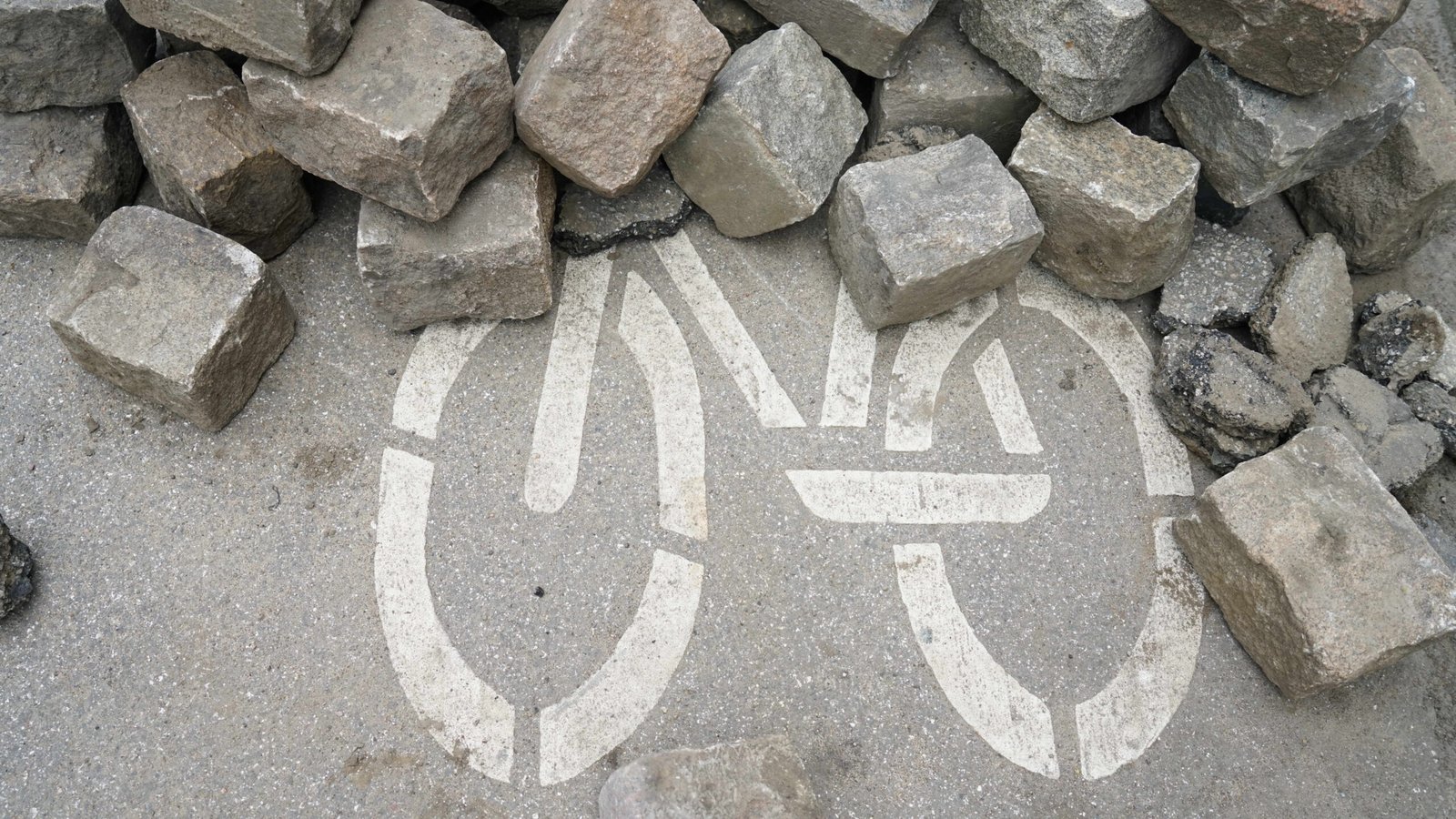
240804016439
B.ICONIC, YES I AM !
Inkjet print on fineart canvas.
ED. 1/1 140cm X 250cm
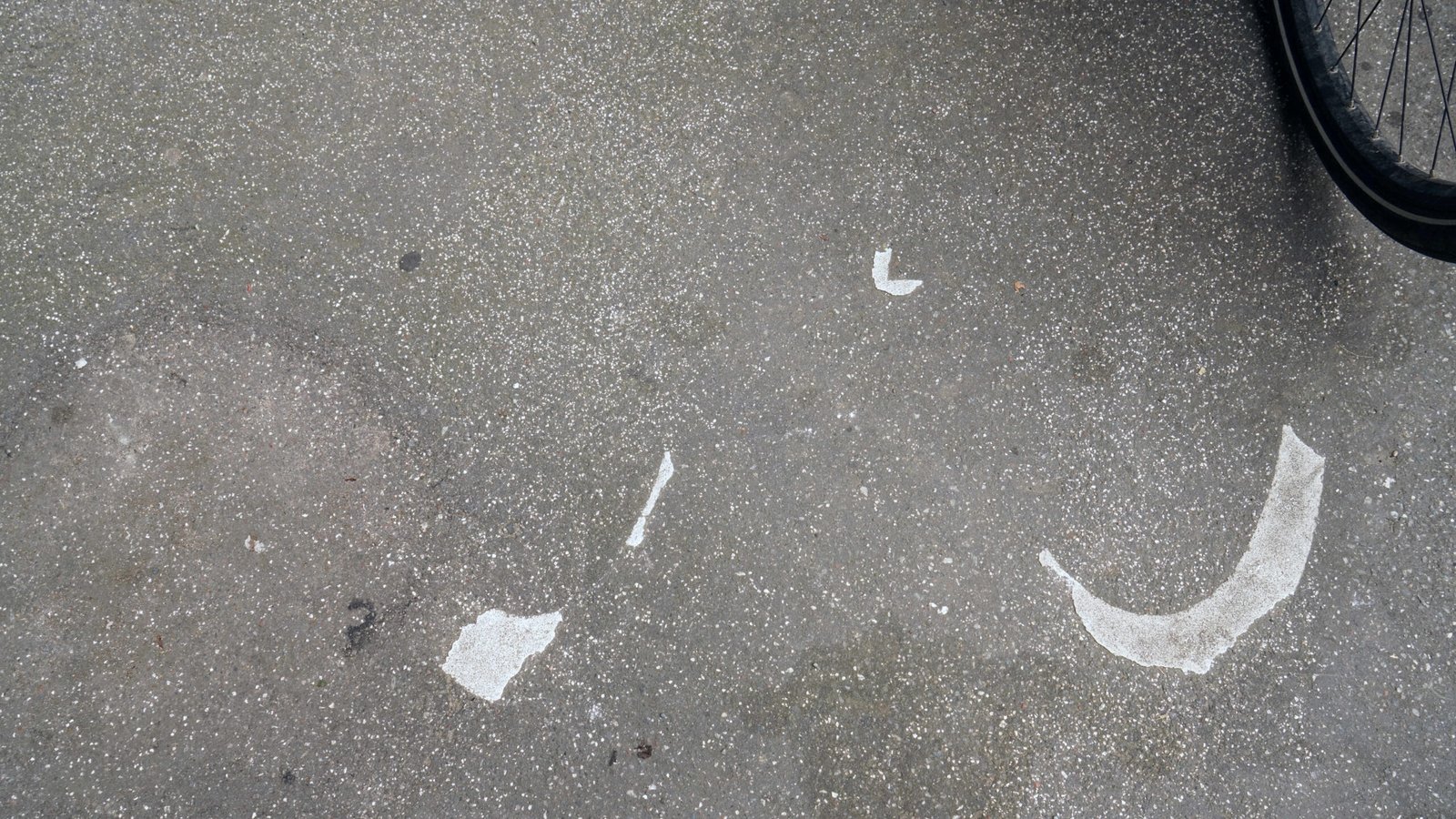
240804018444
B.ICONIC, YES I AM !
Inkjet print on fineart canvas.
ED. 1/1 140cm X 250cm
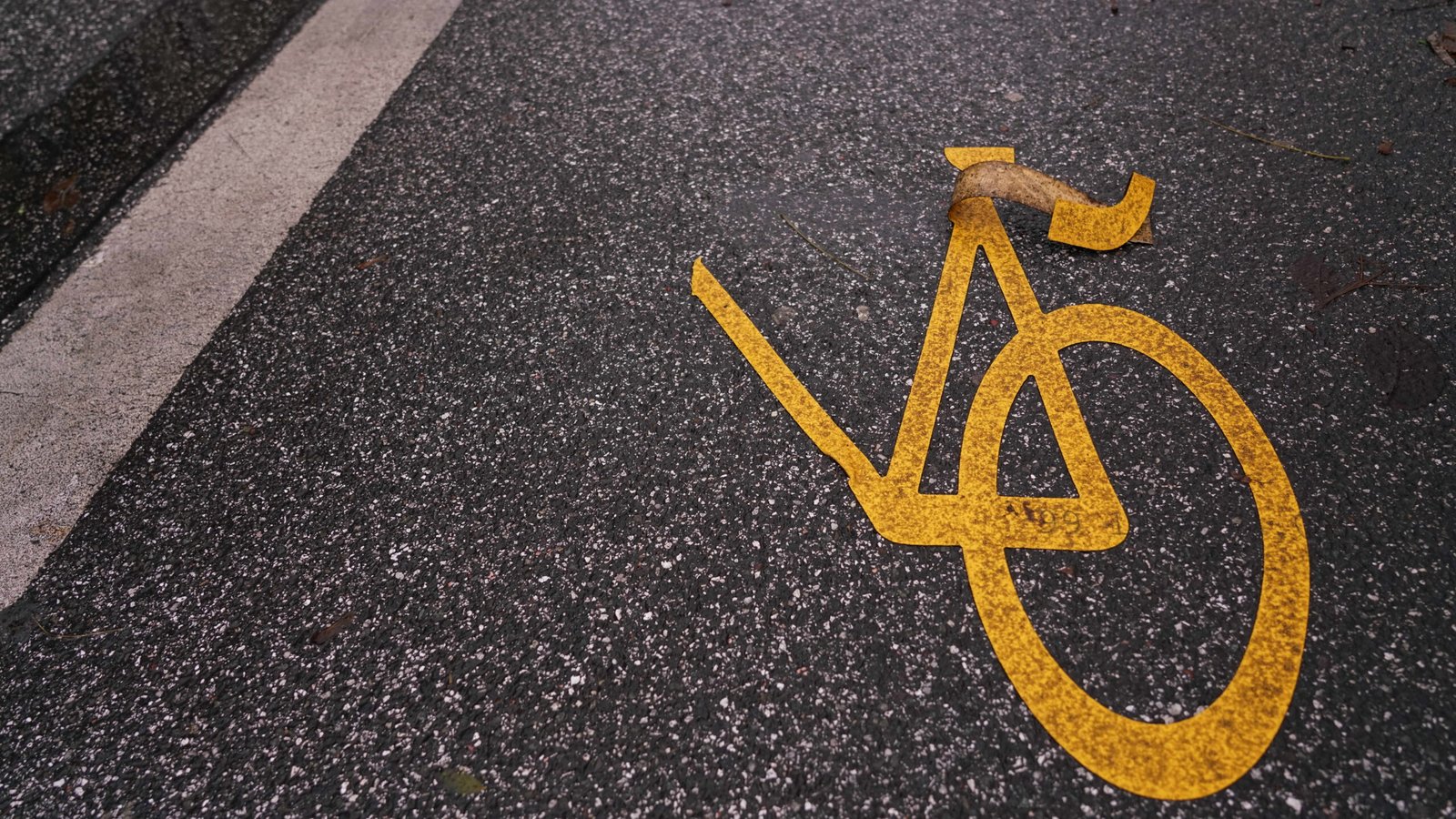
241001018142
B.ICONIC, YES I AM !
Inkjet print on fineart canvas.
ED. 1/1 140cm X 250cm
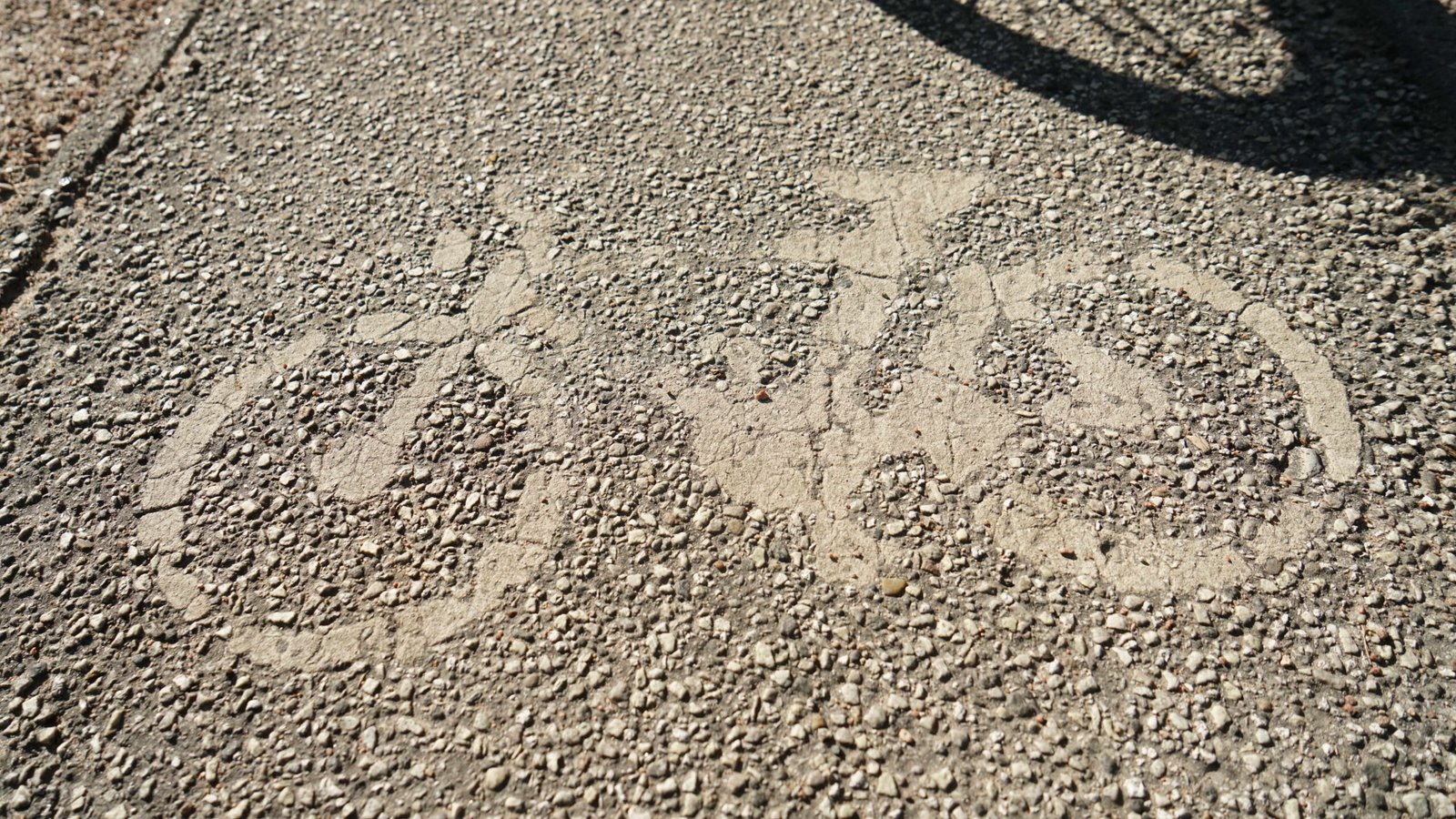
240901010964
B.ICONIC, YES I AM !
Inkjet print on fineart canvas.
ED. 1/1 140cm X 250cm
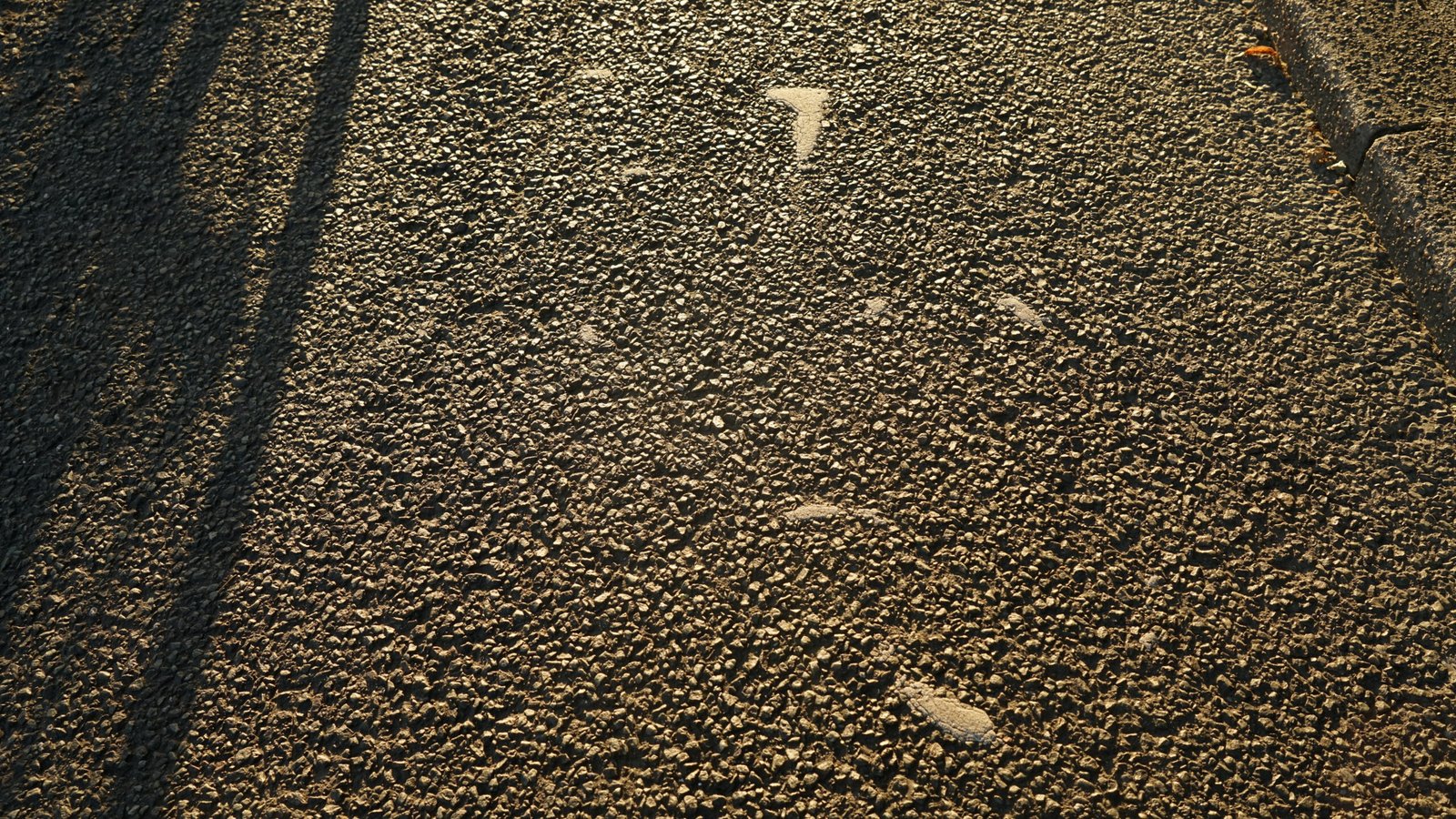
240902011389.
B.ICONIC, YES I AM !
Inkjet print on fineart canvas.
ED. 1/1 140cm X 250cm
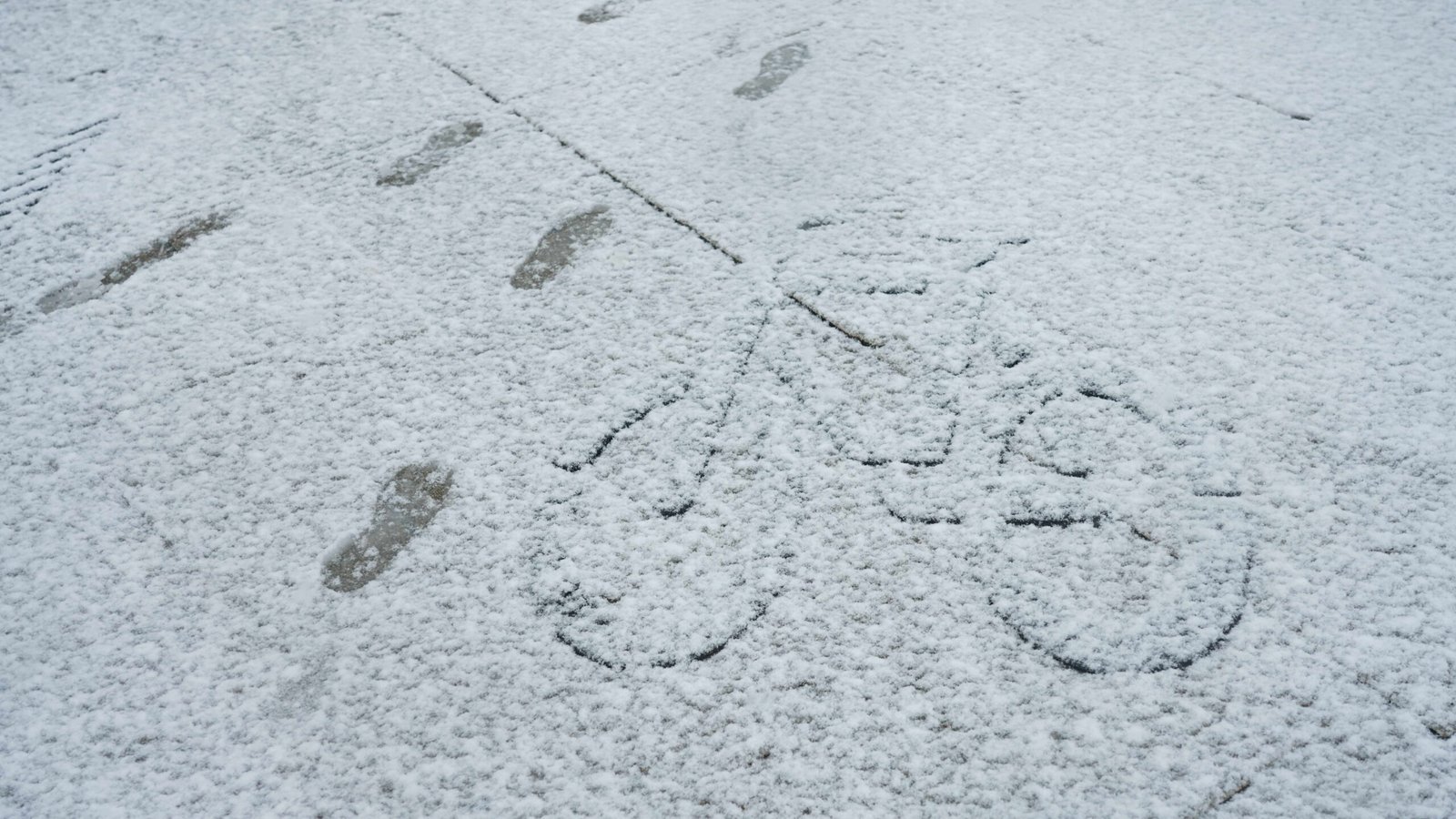
241201013325
B.ICONIC, YES I AM !
Inkjet print on fineart canvas.
ED. 1/1 140cm X 250cm
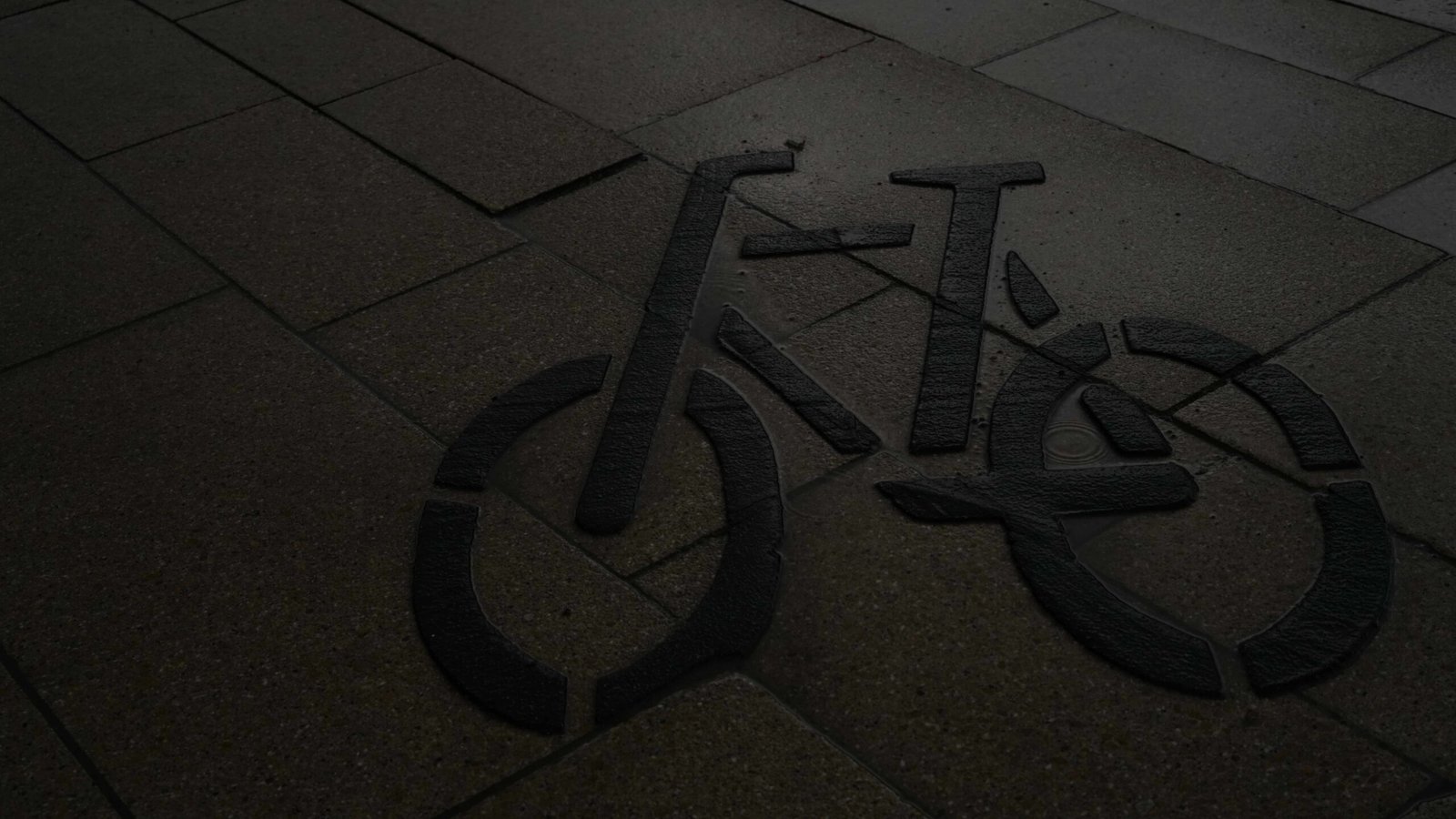
240803018735
B.ICONIC, YES I AM !
Inkjet print on fineart canvas.
ED. 1/1 140cm X 250cm
240806013823
B.ICONIC, YES I AM !
Inkjet print on fineart canvas.
ED. 1/1 140cm X 250cm
250301010732
B.ICONIC, YES I AM !
Inkjet print on fineart canvas.
ED. 1/1 140cm X 250cm
240901012851
B.ICONIC, YES I AM !
Inkjet print on fineart canvas.
ED. 1/1 140cm X 250cm
250201011279
B.ICONIC, YES I AM !
Inkjet print on fineart canvas.
ED. 1/1 140cm X 250cm
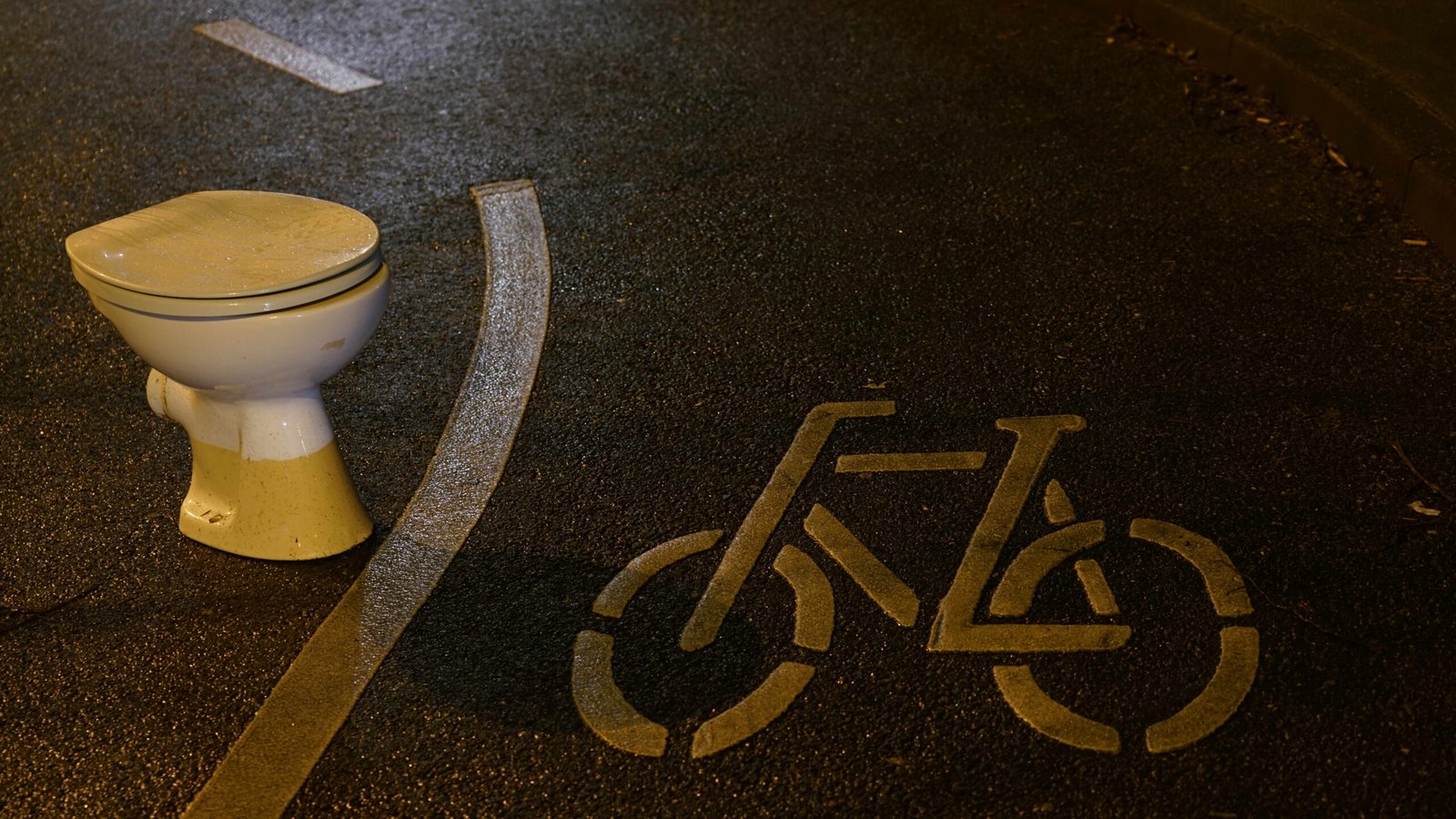
241201017350
B.ICONIC, YES I AM !
Inkjet print on fineart canvas.
ED. 1/1 140cm X 250cm
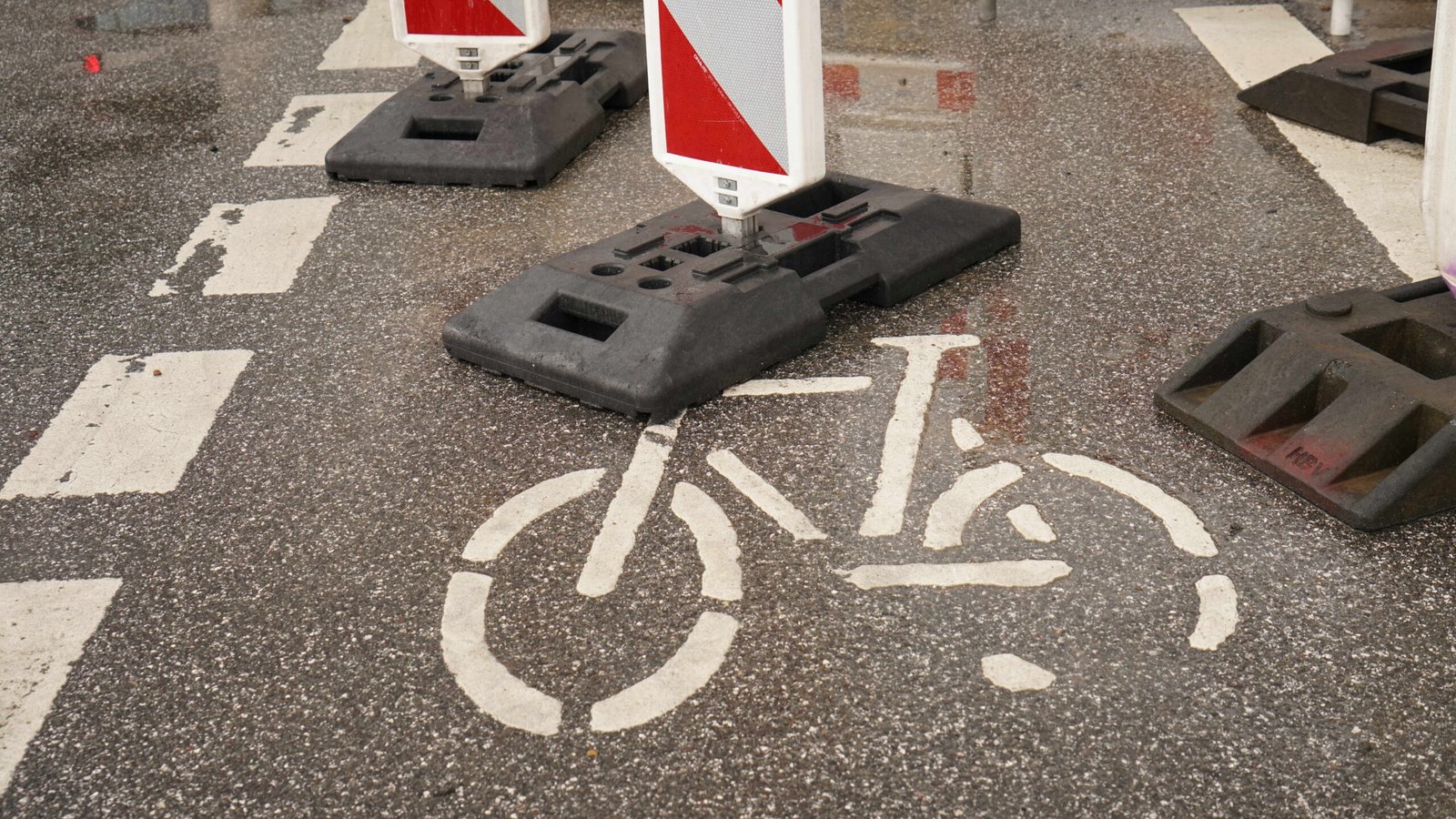
240803018683
B.ICONIC, YES I AM !
Inkjet print on fineart canvas.
ED. 1/1 140cm X 250cm
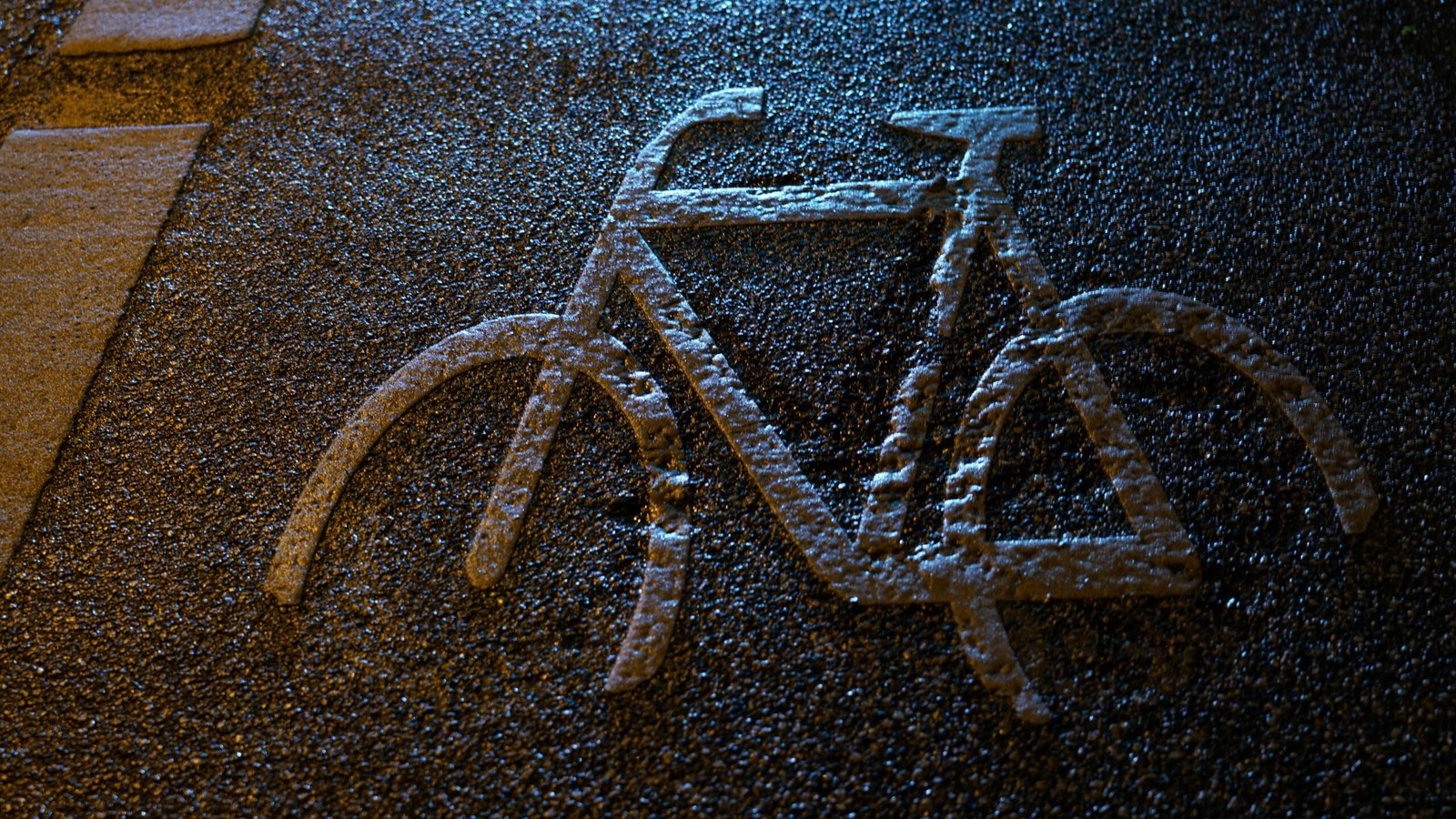
241201015211
B.ICONIC, YES I AM !
Inkjet print on fineart canvas.
ED. 1/1 140cm X 250cm
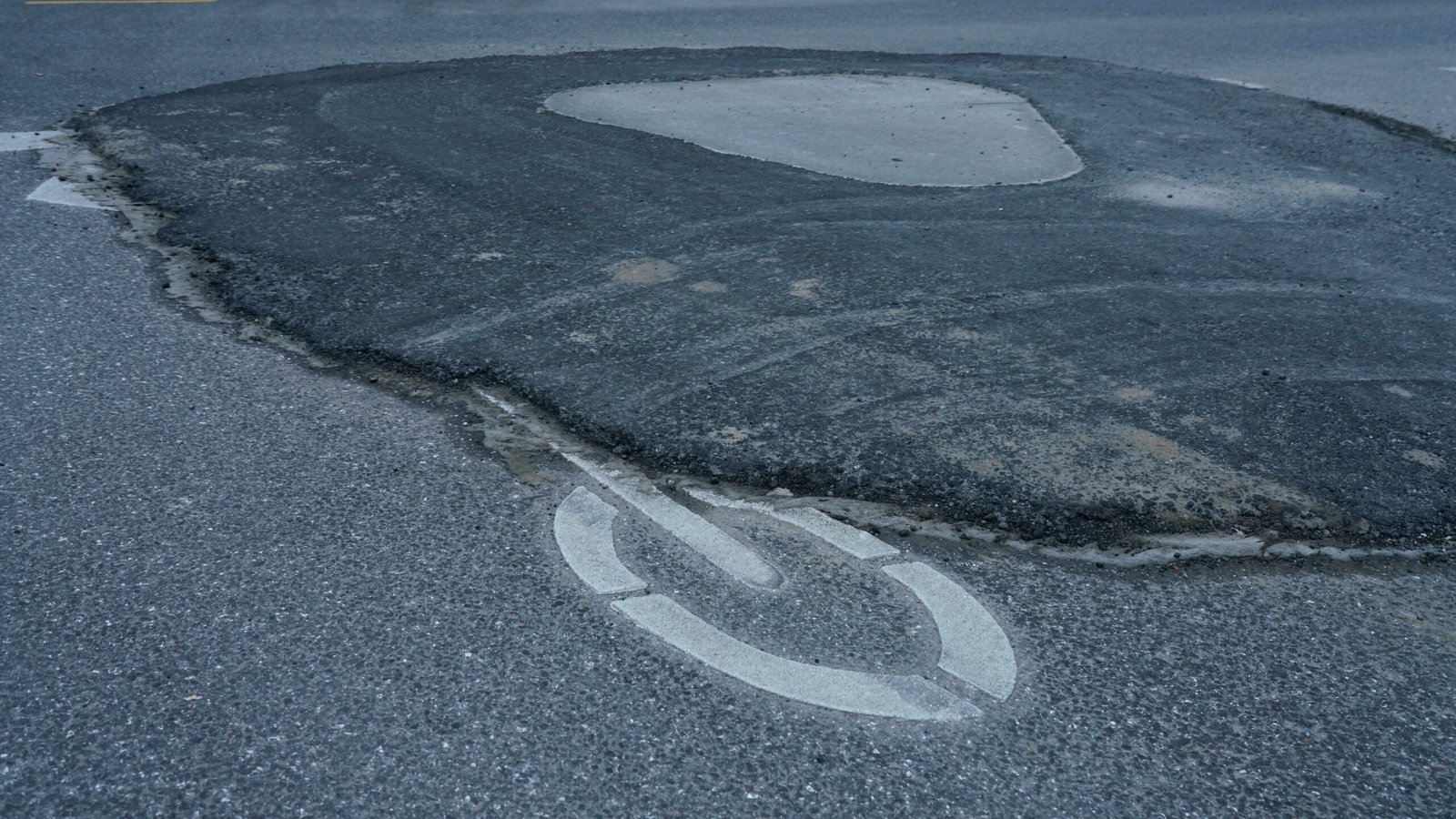
250201016698
B.ICONIC, YES I AM !
Inkjet print on fineart canvas.
ED. 1/1 140cm X 250cm
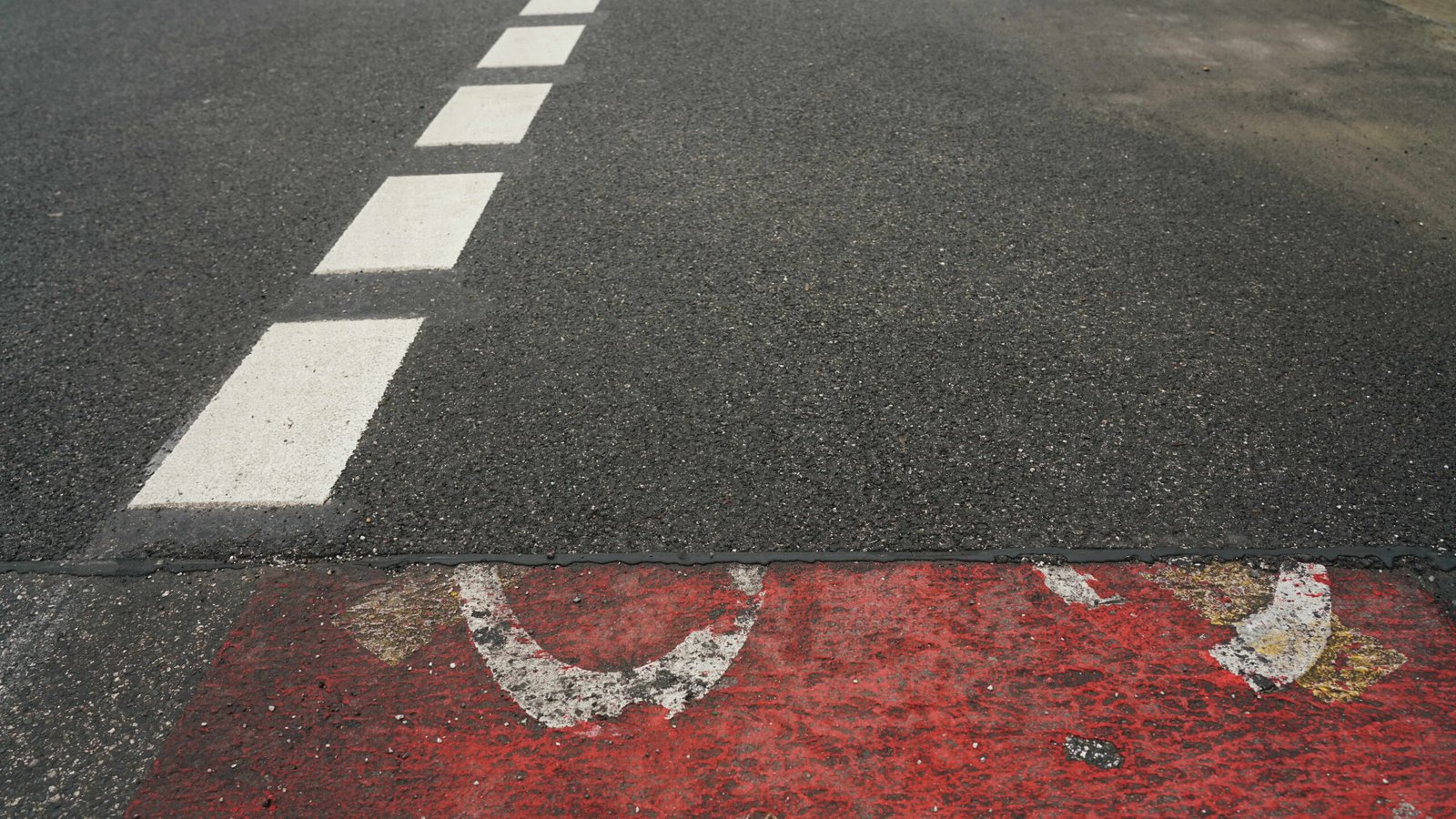
241201011232
B.ICONIC, YES I AM !
Inkjet print on fineart canvas.
ED. 1/1 140cm X 250cm
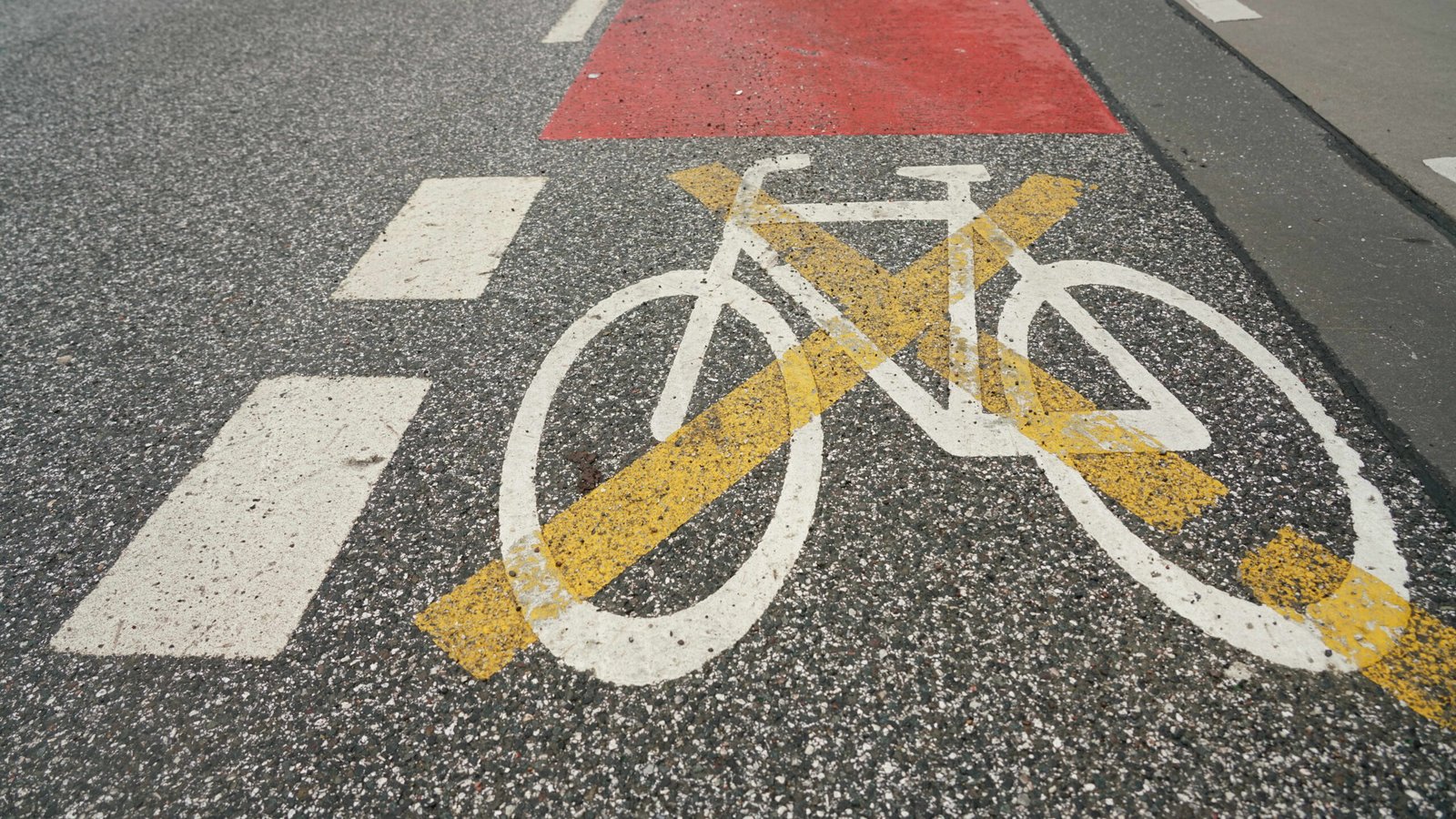
241201011231
B.ICONIC, YES I AM !
Inkjet print on fineart canvas.
ED. 1/1 140cm X 250cm
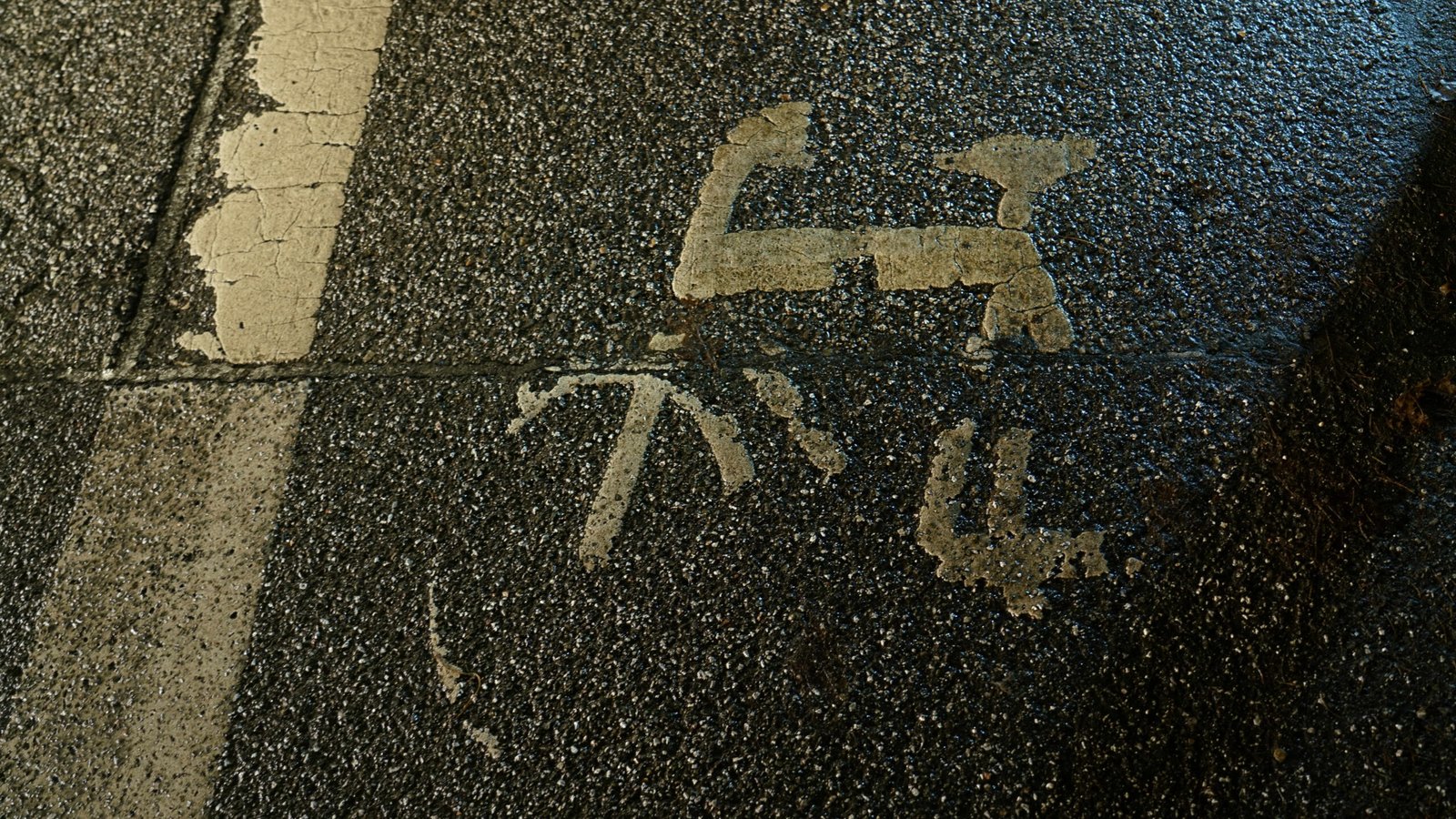
241201011181
B.ICONIC, YES I AM !
Inkjet print on fineart canvas.
ED. 1/1 140cm X 250cm
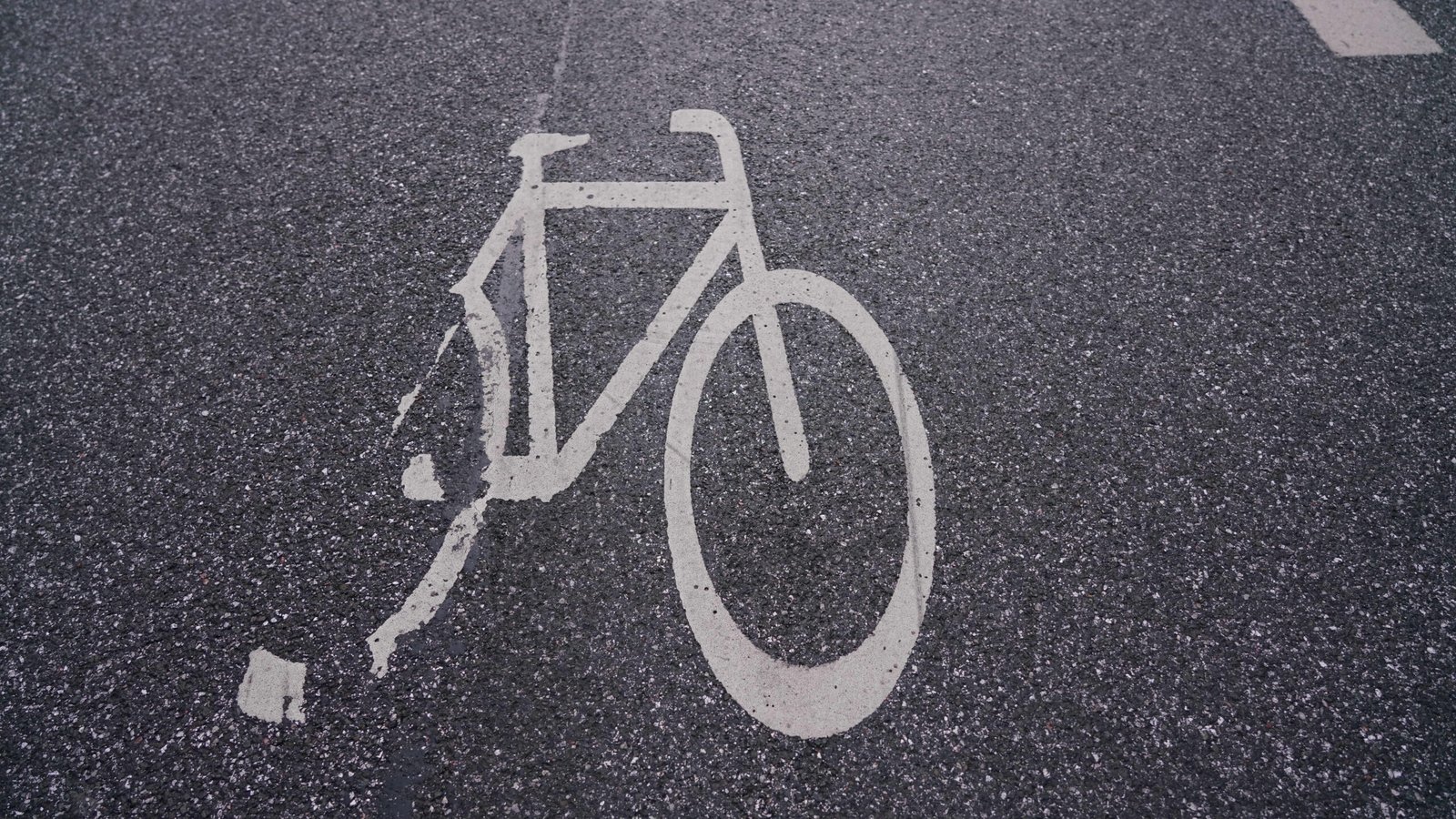
250201013640
B.ICONIC, YES I AM !
Inkjet print on fineart canvas.
ED. 1/1 140cm X 250cm
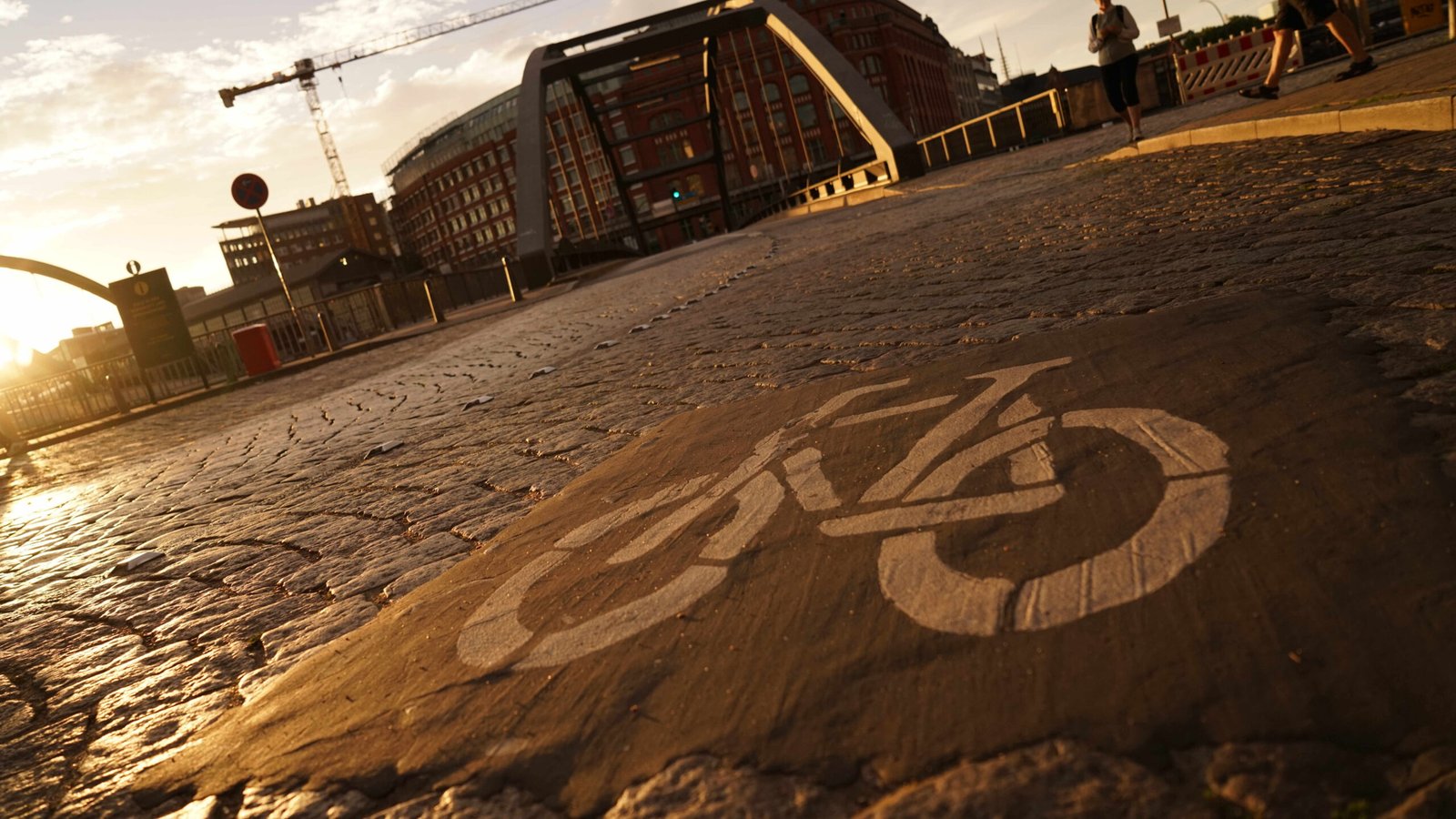
240901014517
B.ICONIC, YES I AM !
Inkjet print on fineart canvas.
ED. 1/1 140cm X 250cm
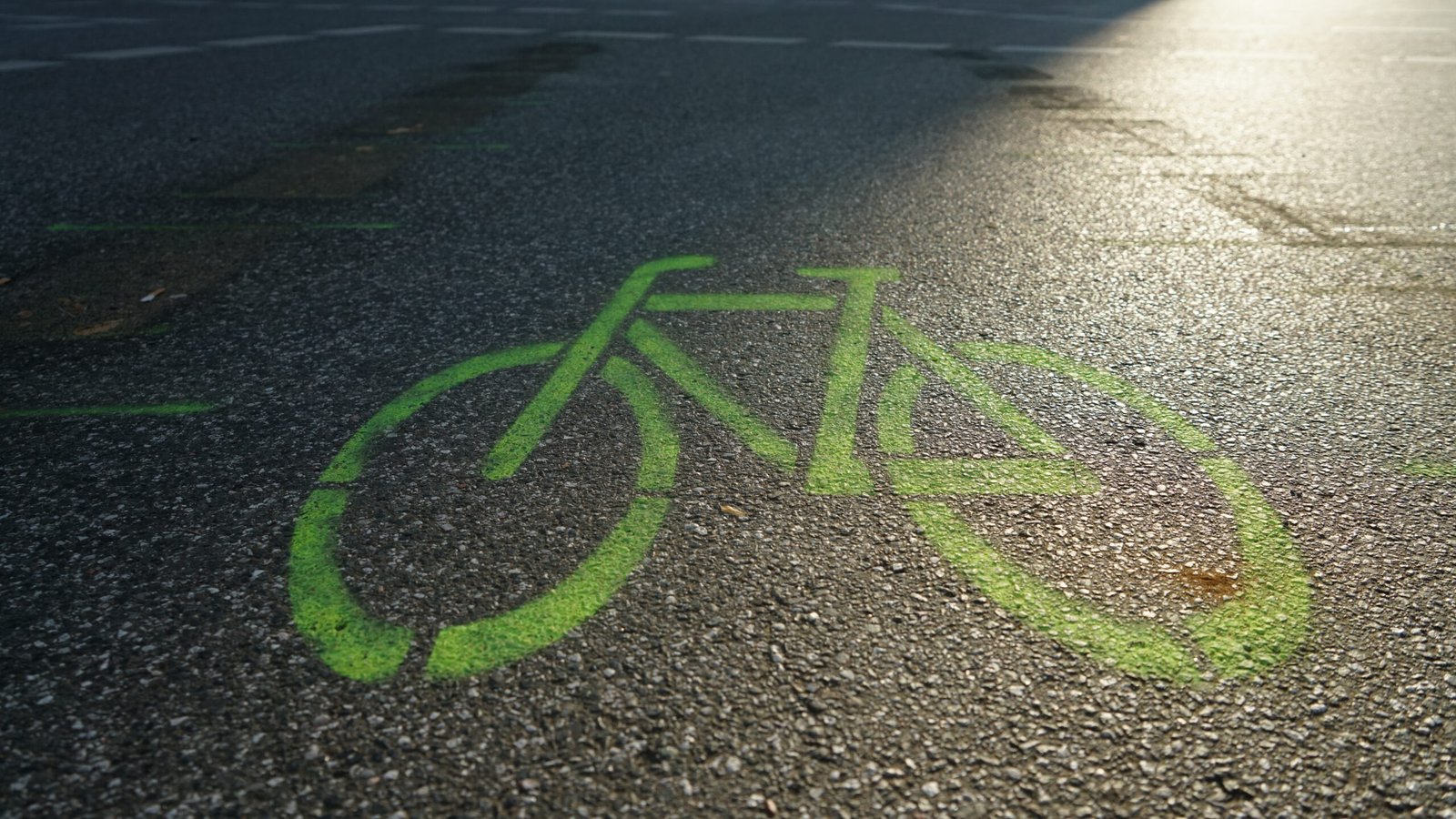
240902011845
B.ICONIC, YES I AM !
Inkjet print on fineart canvas.
ED. 1/1 140cm X 250cm
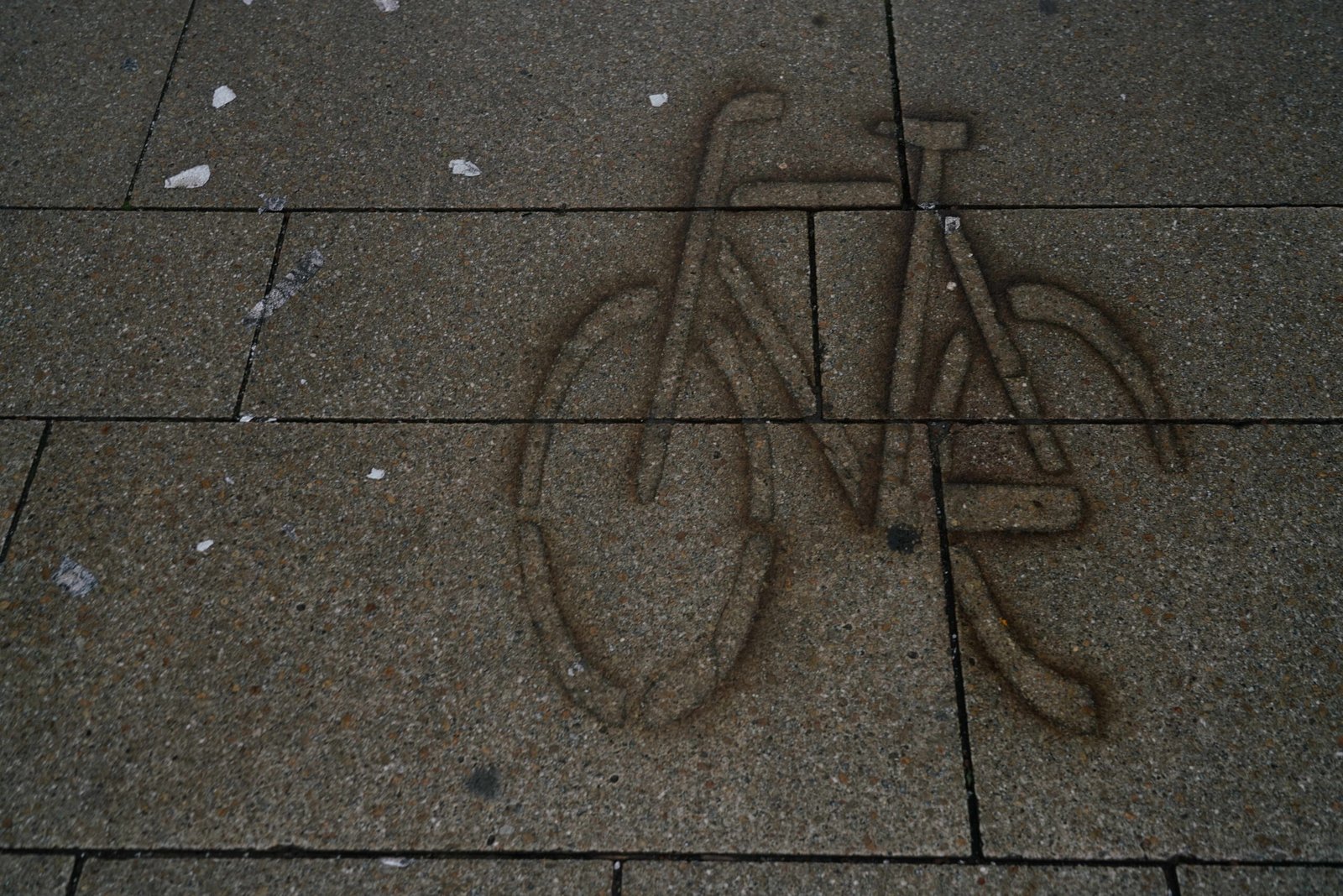
240902015130
B.ICONIC, YES I AM !
Inkjet print on fineart canvas.
ED. 1/1 140cm X 250cm
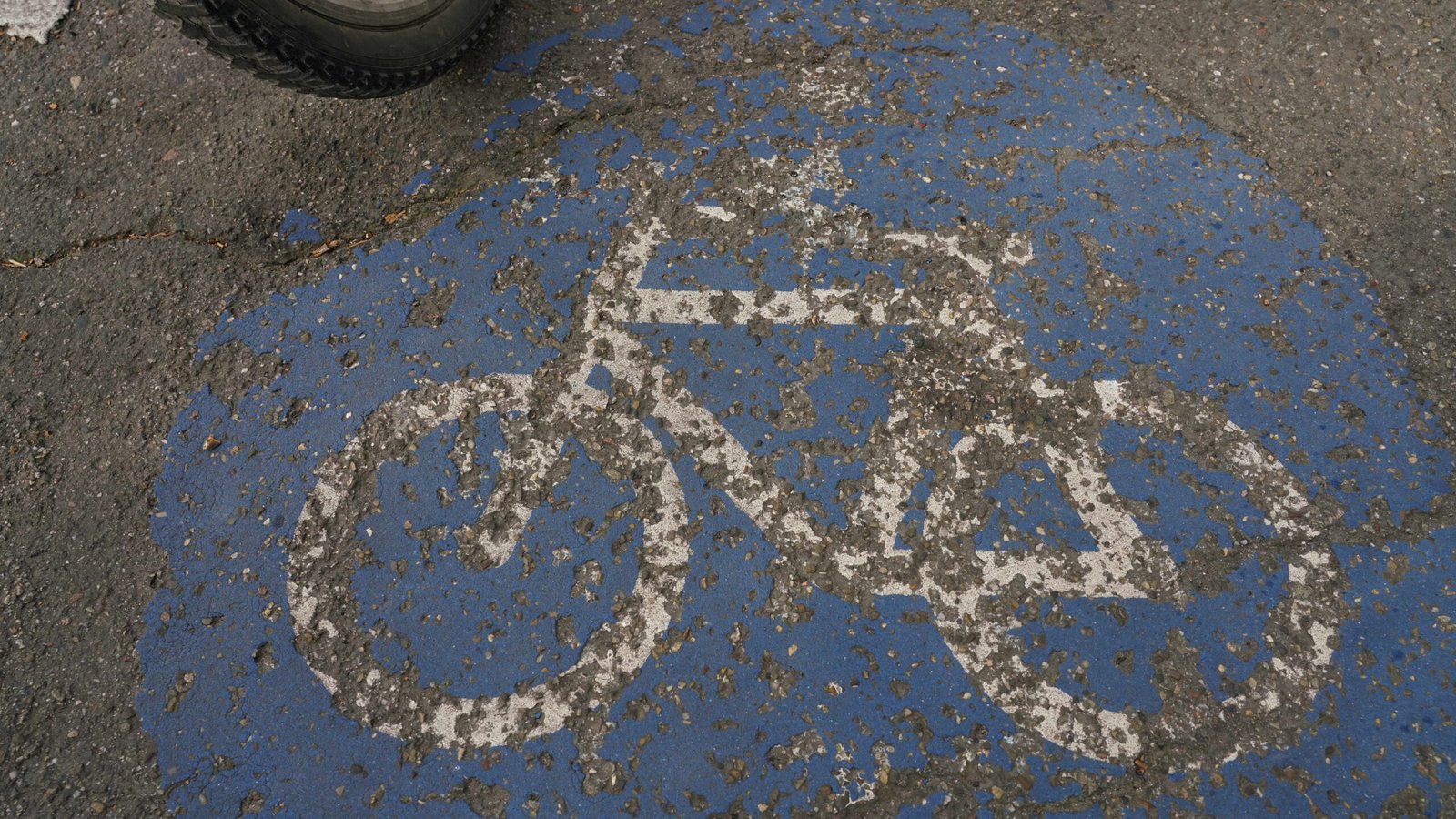
250301012344
B.ICONIC, YES I AM !
Inkjet print on fineart canvas.
ED. 1/1 140cm X 250cm
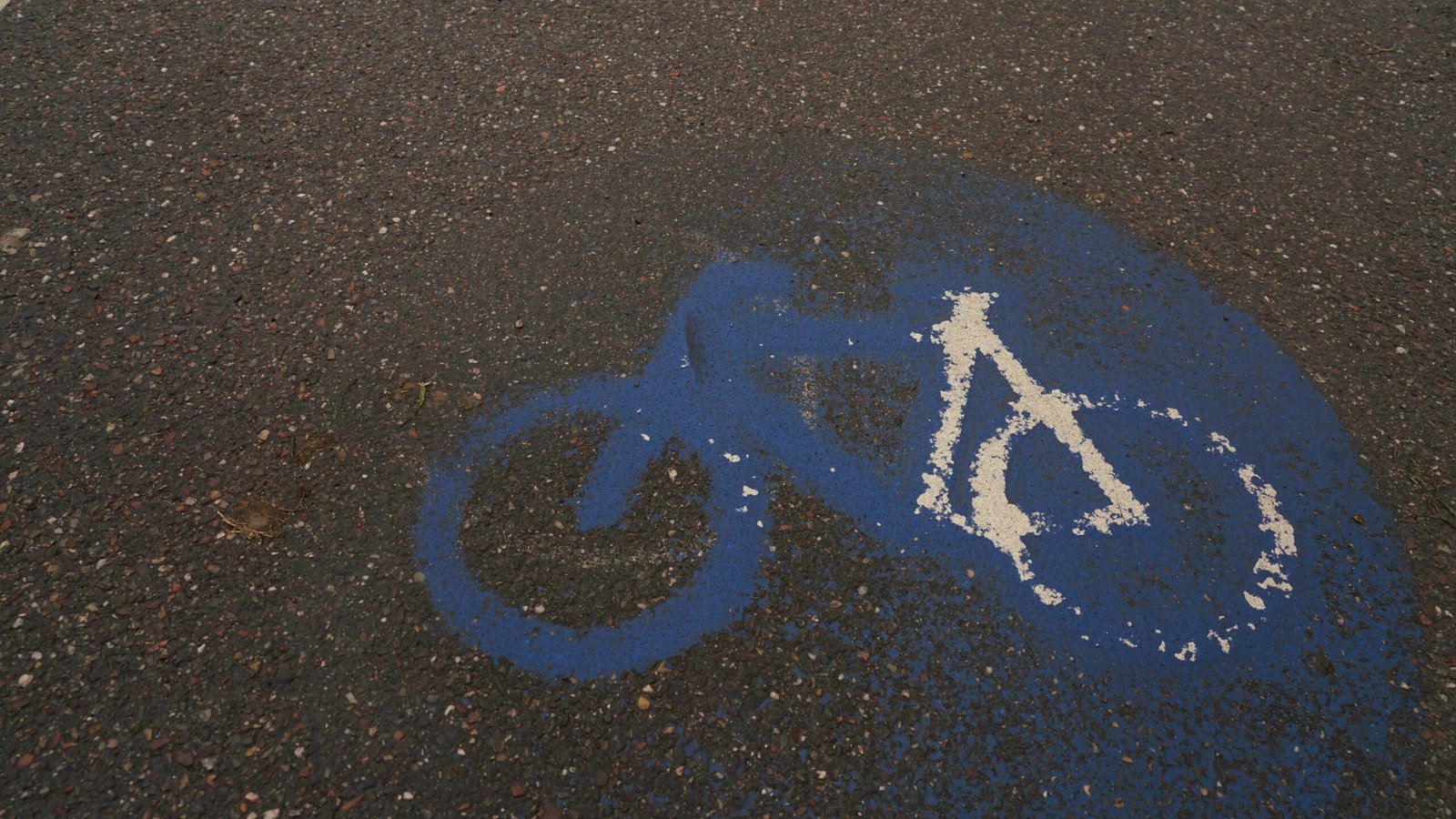
250301012101
B.ICONIC, YES I AM !
Inkjet print on fineart canvas.
ED. 1/1 140cm X 250cm
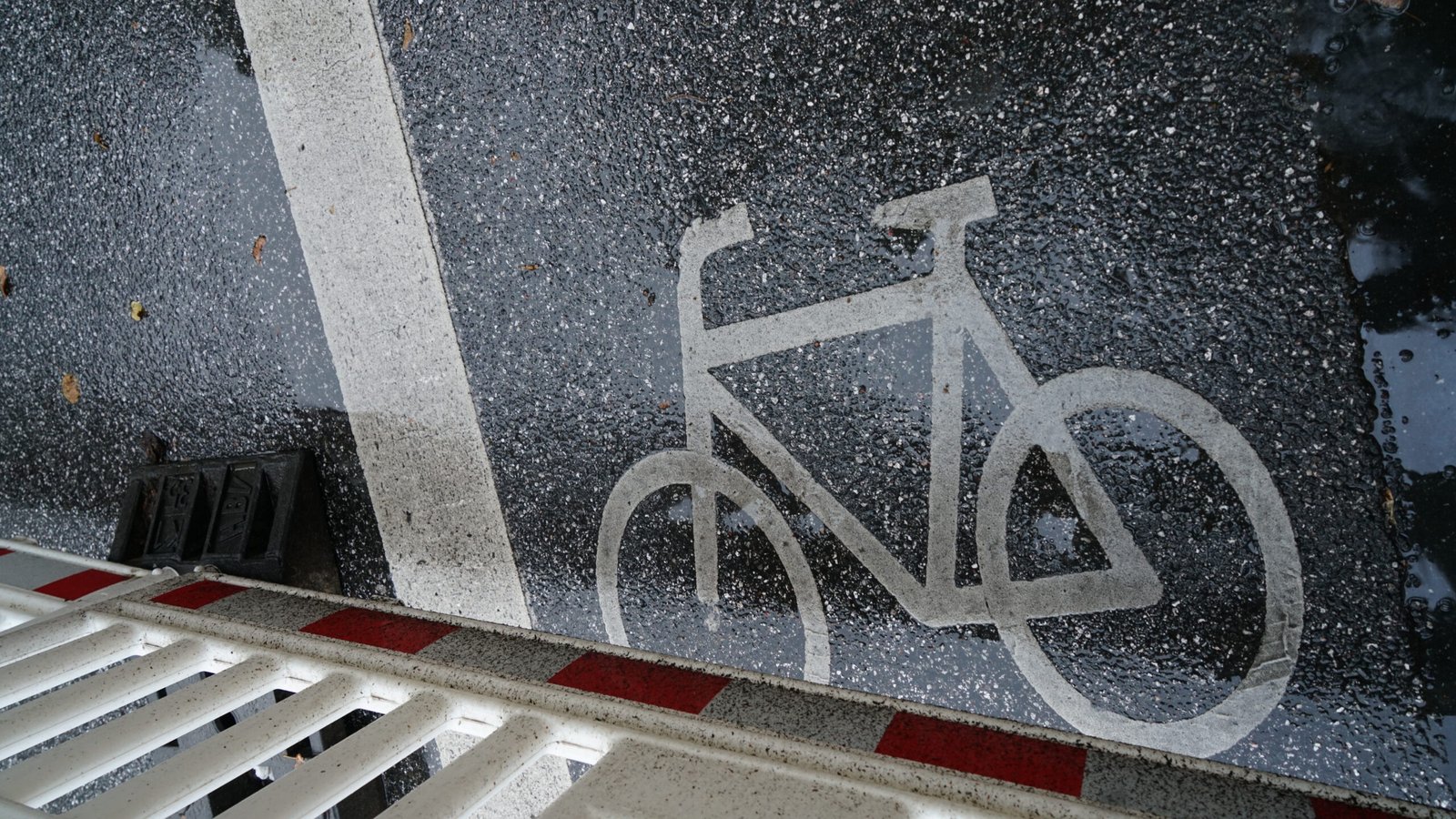
240902011923
B.ICONIC, YES I AM !
Inkjet print on fineart canvas.
ED. 1/1 140cm X 250cm
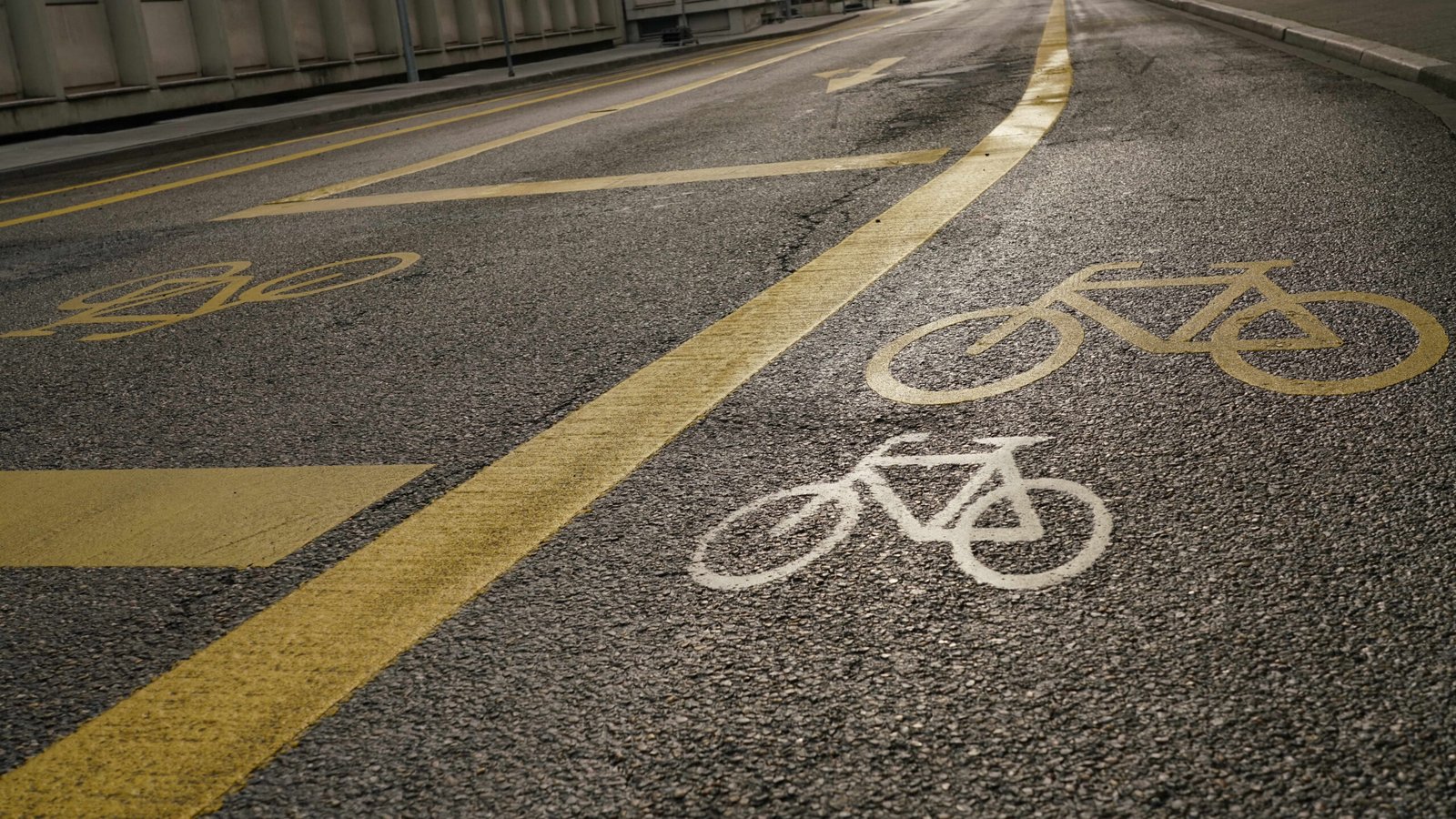
250301012229
B.ICONIC, YES I AM !
Inkjet print on fineart canvas.
ED. 1/1 140cm X 250cm
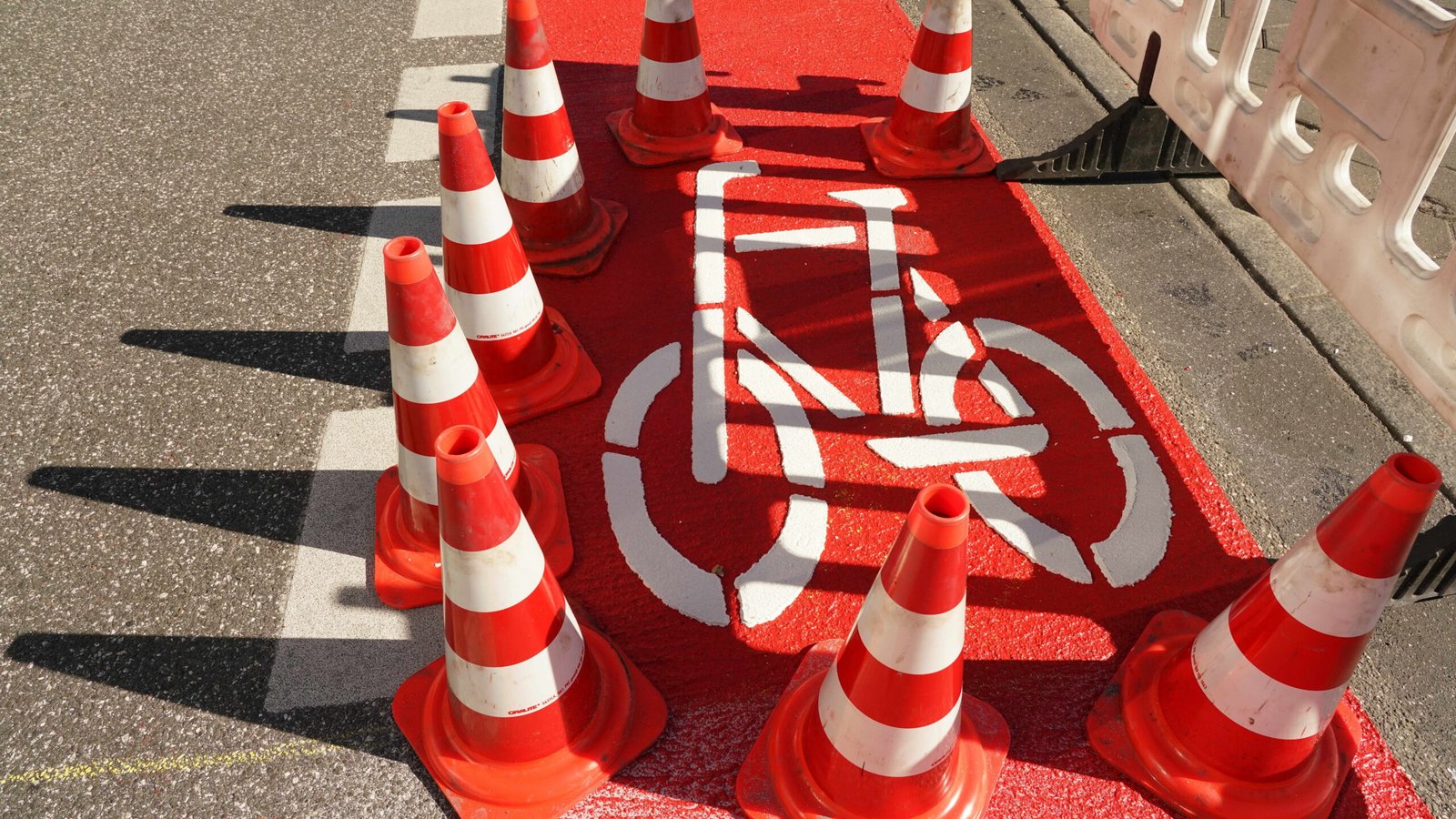
250301017194
B.ICONIC, YES I AM !
Inkjet print on fineart canvas.
ED. 1/1 140cm X 250cm
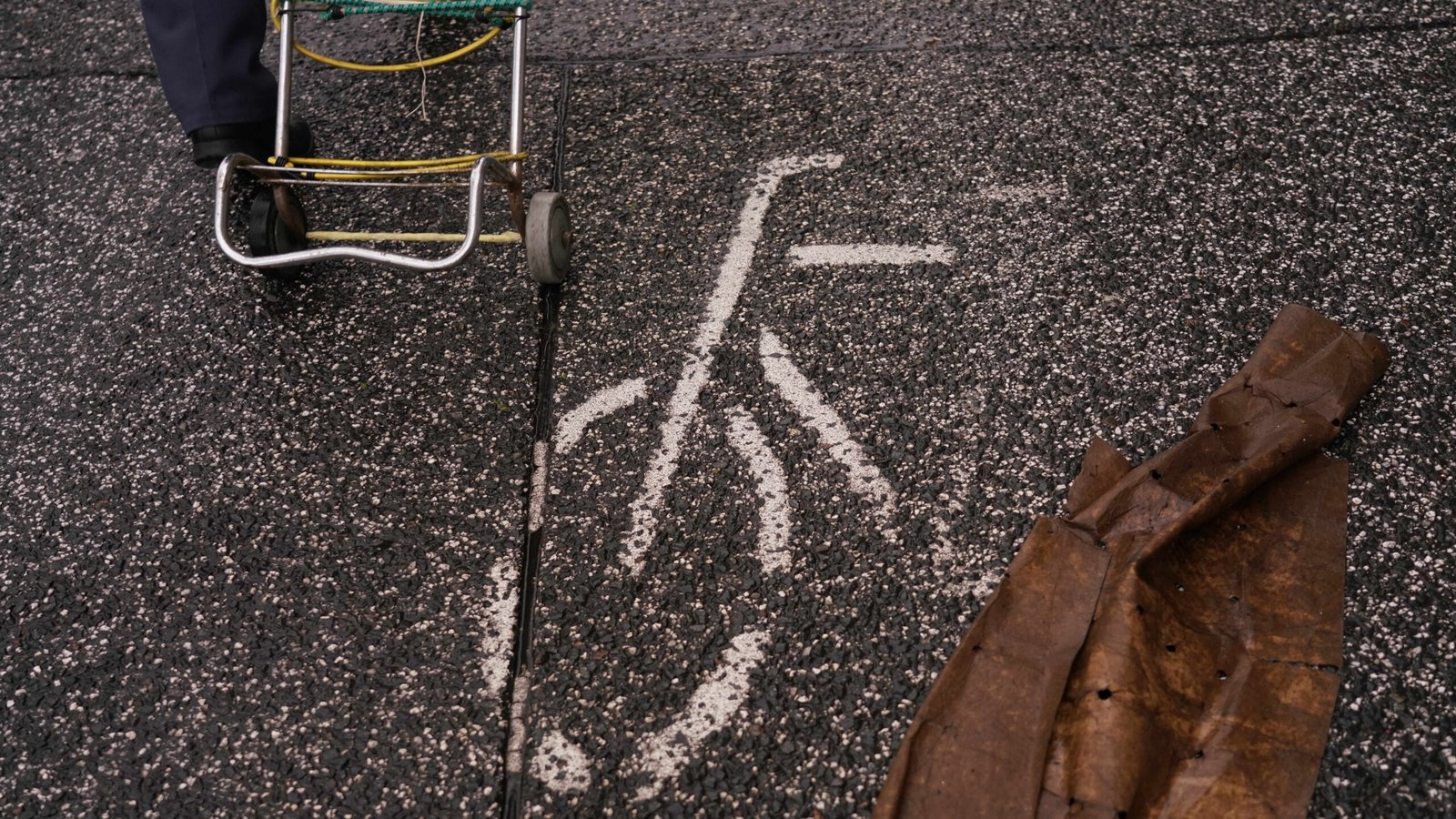
241001018453
B.ICONIC, YES I AM !
Inkjet print on fineart canvas.
ED. 1/1 140cm X 250cm
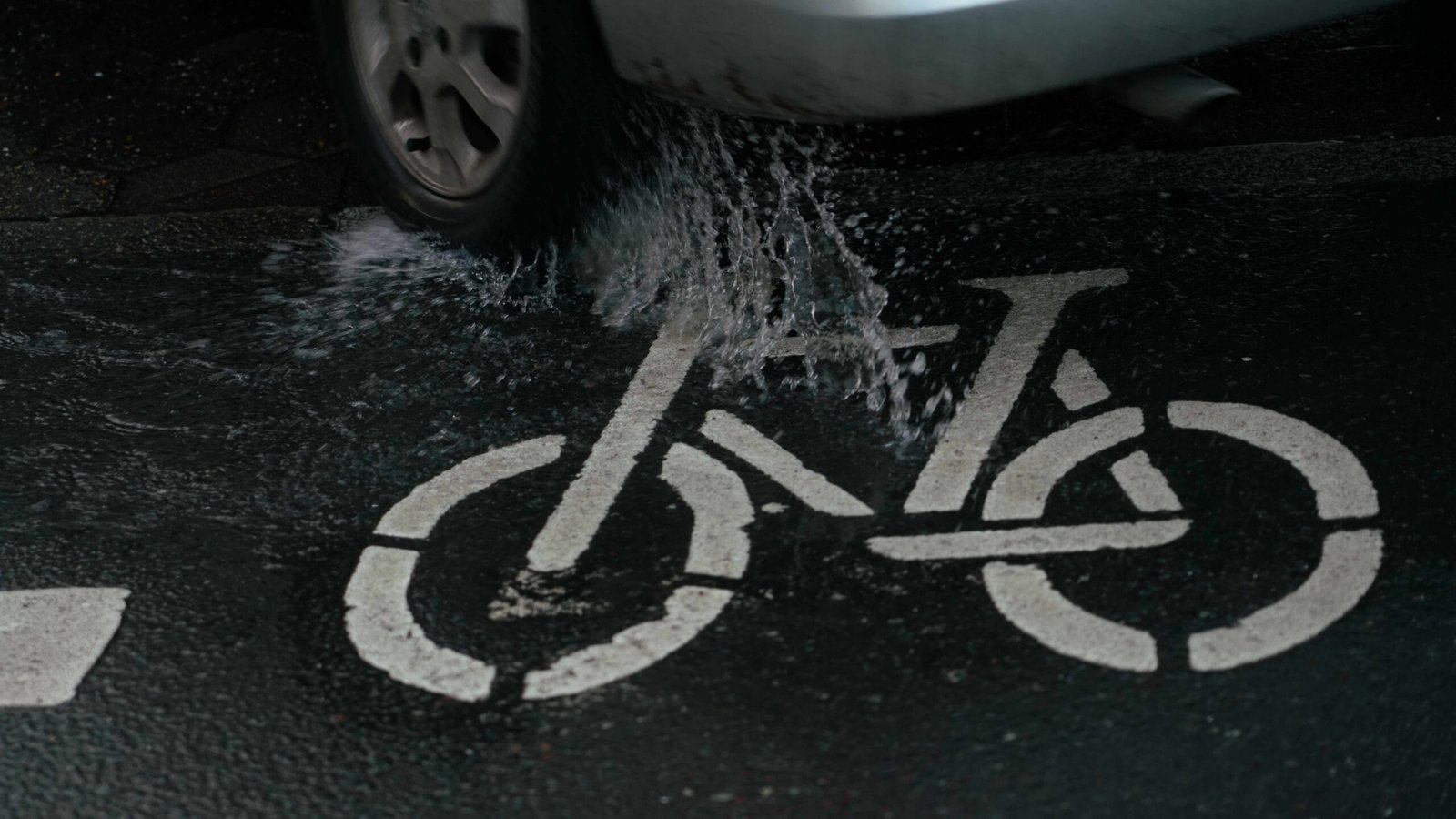
241001019061
B.ICONIC, YES I AM !
Inkjet print on fineart canvas.
ED. 1/1 140cm X 250cm
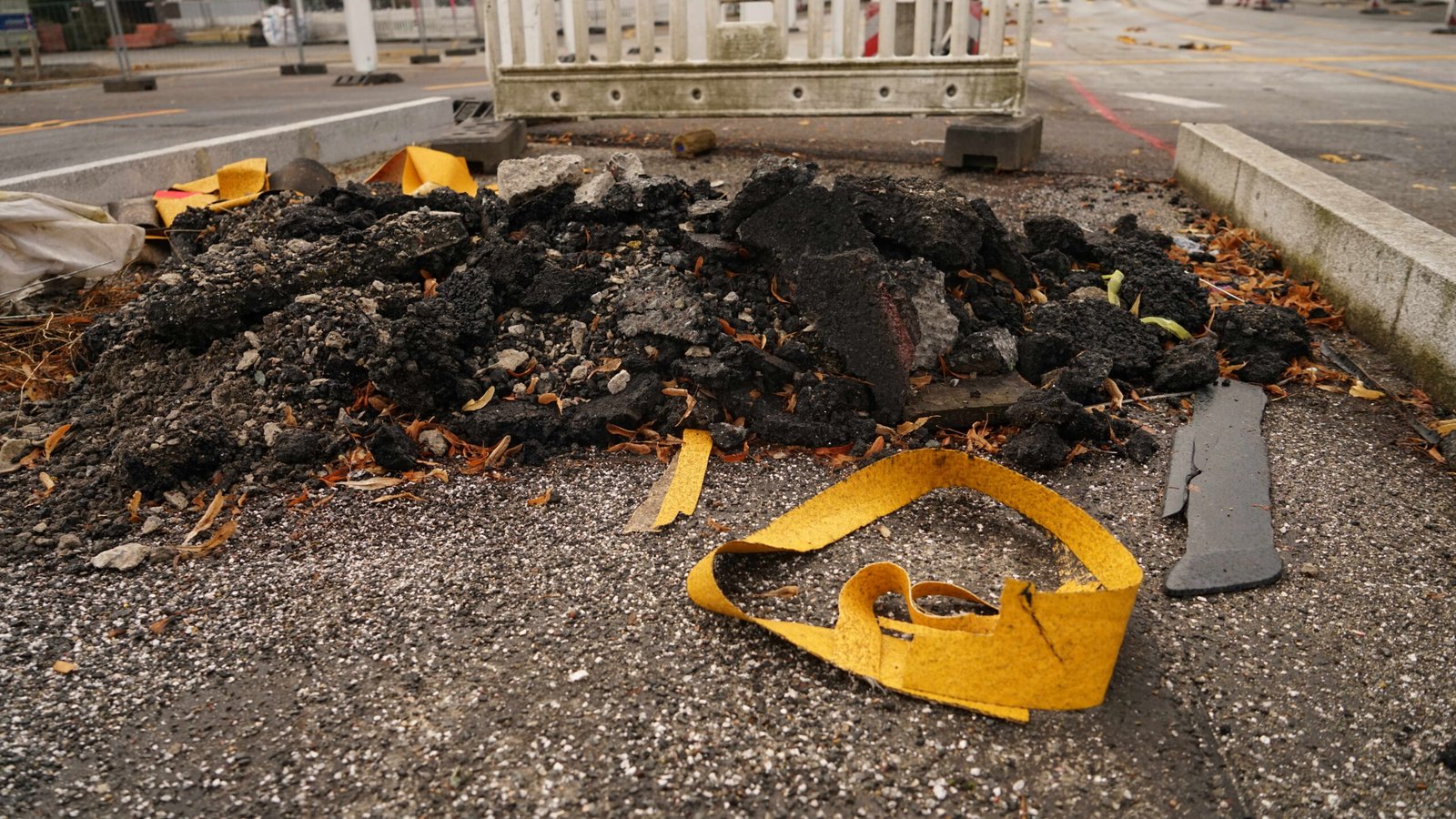
240901013533
B.ICONIC, YES I AM !
Inkjet print on fineart canvas.
ED. 1/1 140cm X 250cm
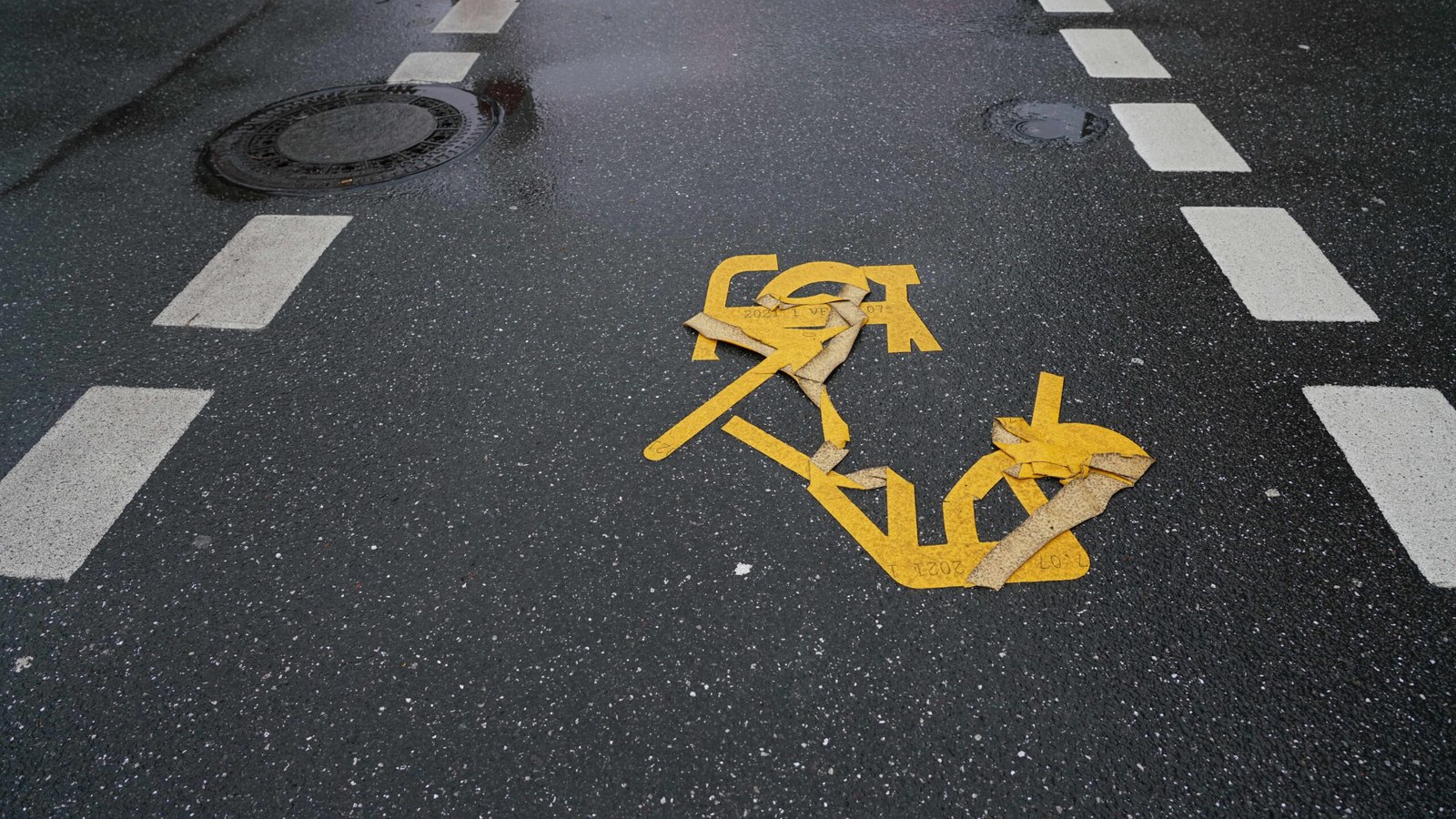
250201014821
B.ICONIC, YES I AM !
Inkjet print on fineart canvas.
ED. 1/1 140cm X 250cm
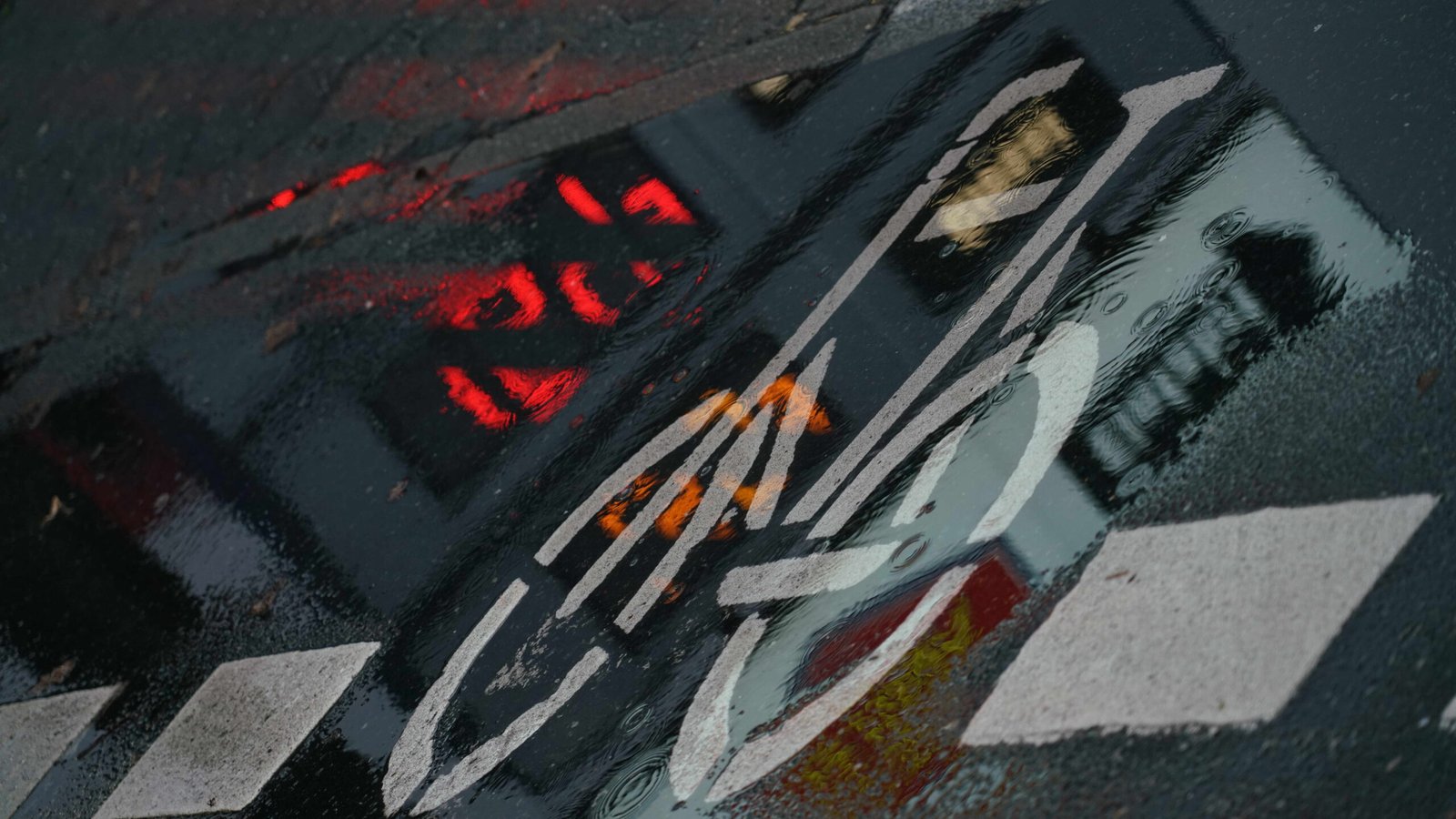
241001019005
B.ICONIC, YES I AM !
Inkjet print on fineart canvas.
ED. 1/1 140cm X 250cm
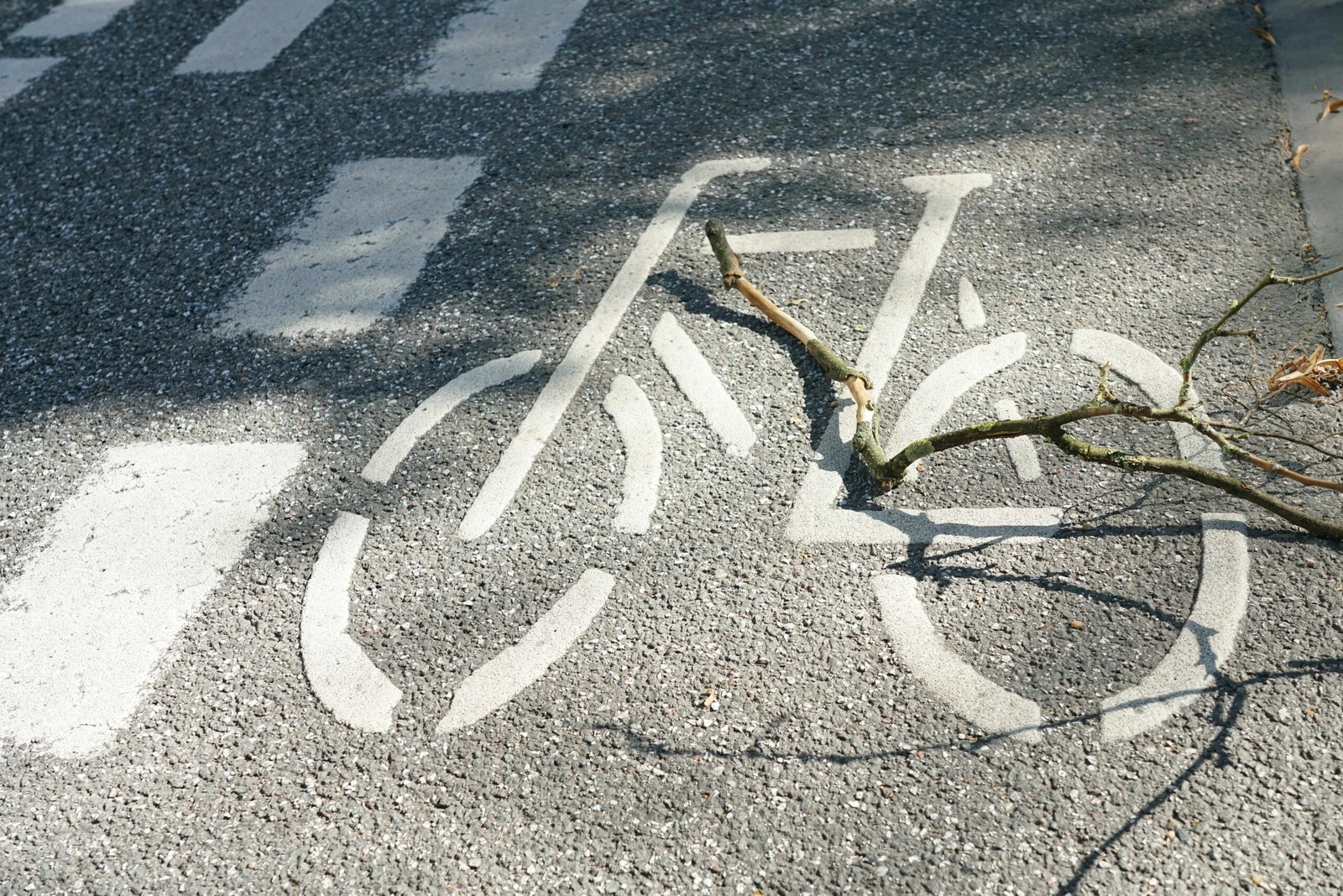
240902014902
B.ICONIC, YES I AM !
Inkjet print on fineart canvas.
ED. 1/1 140cm X 250cm
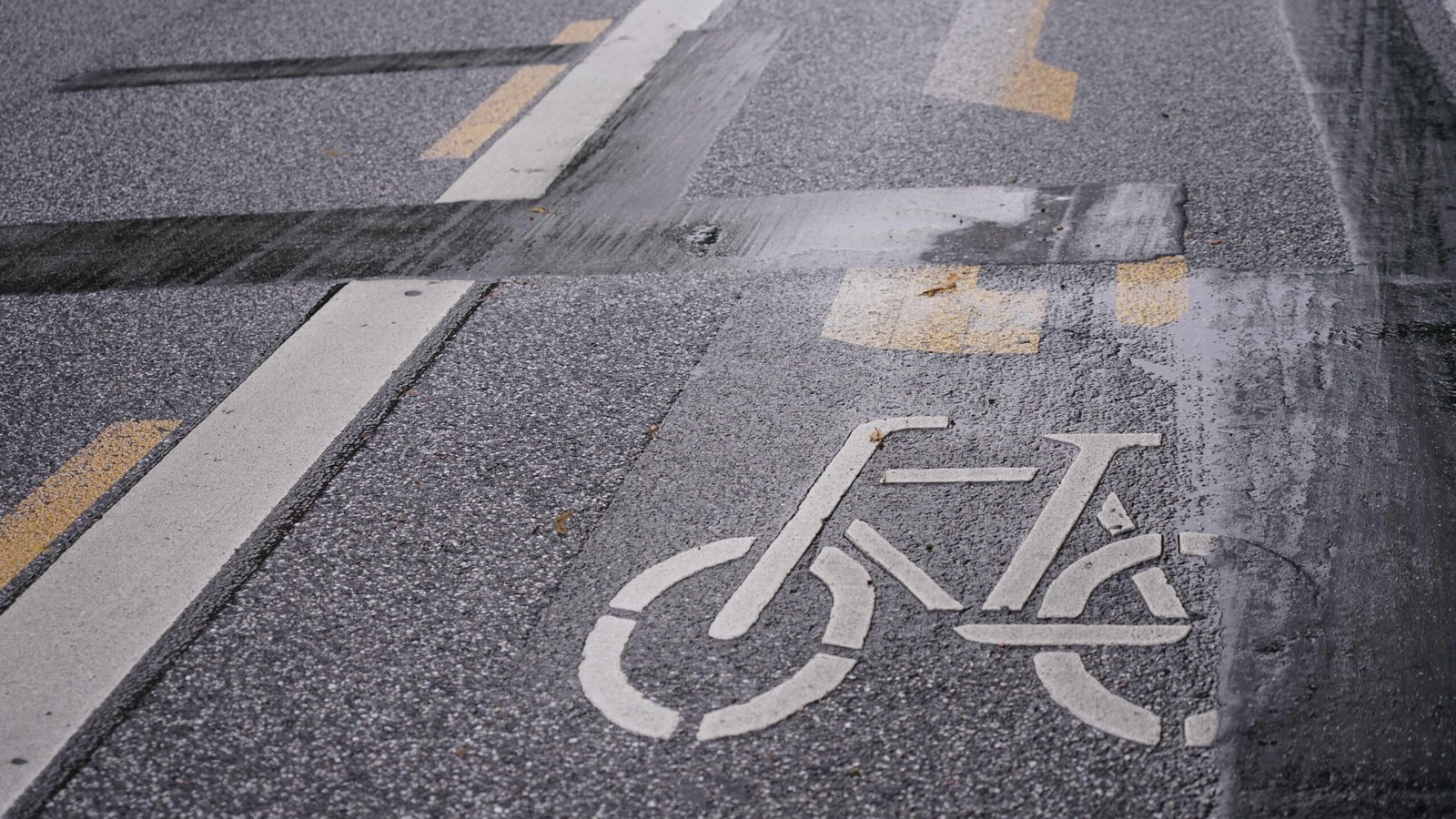
240901010332
B.ICONIC, YES I AM !
Inkjet print on fineart canvas.
ED. 1/1 140cm X 250cm
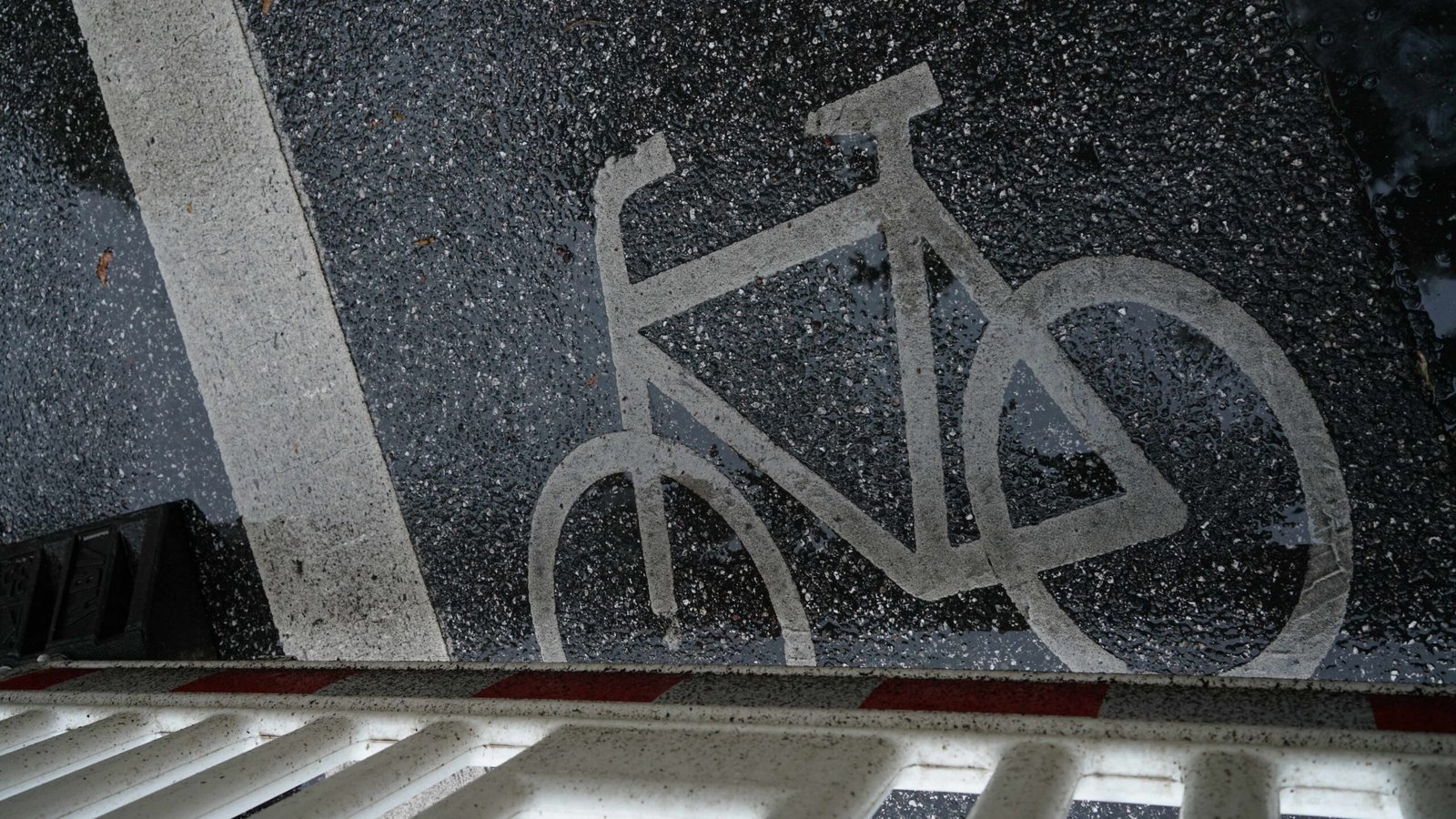
240902011931
B.ICONIC, YES I AM !
Inkjet print on fineart canvas.
ED. 1/1 140cm X 250cm
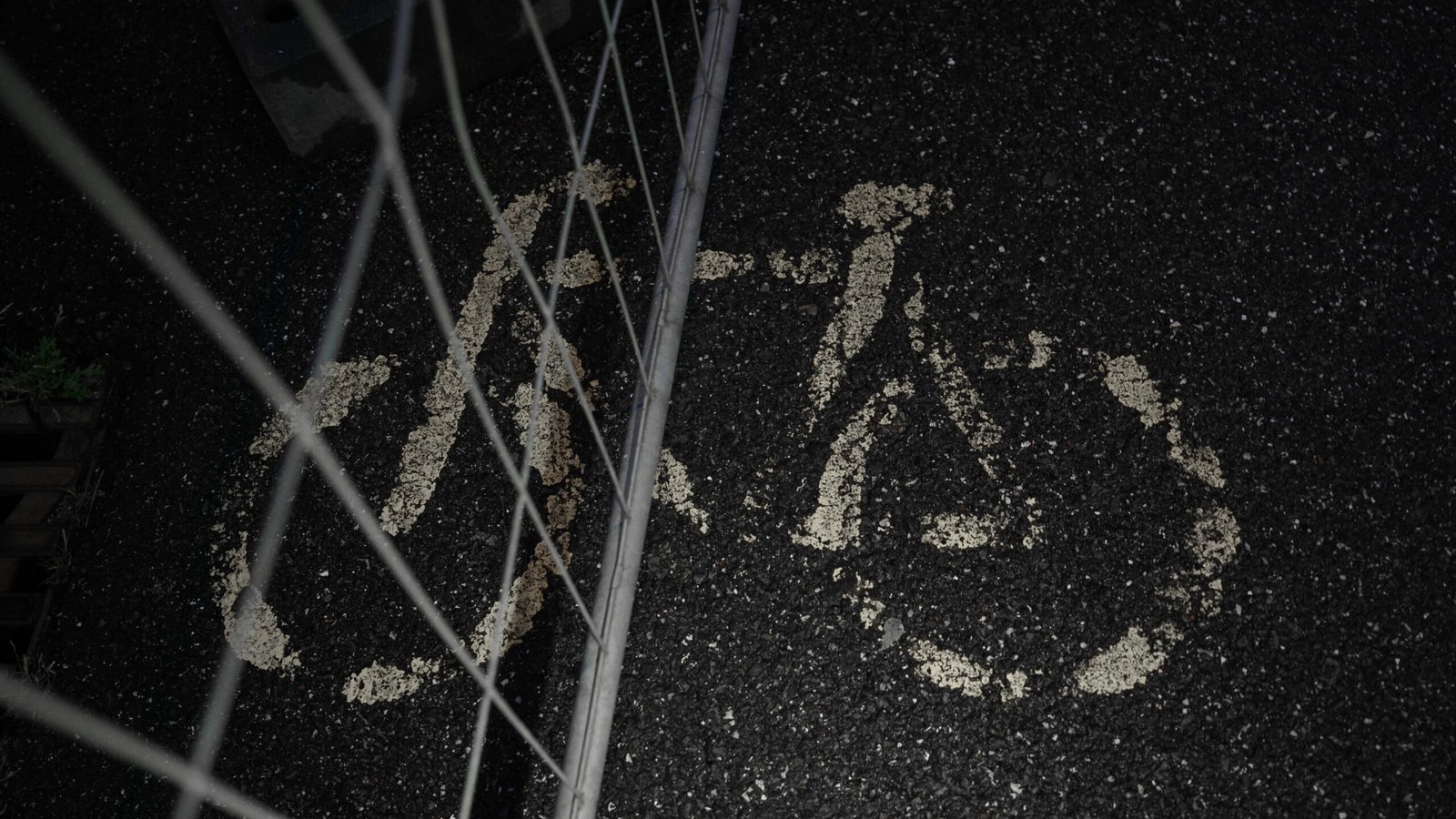
240901012969
B.ICONIC, YES I AM !
Inkjet print on fineart canvas.
ED. 1/1 140cm X 250cm
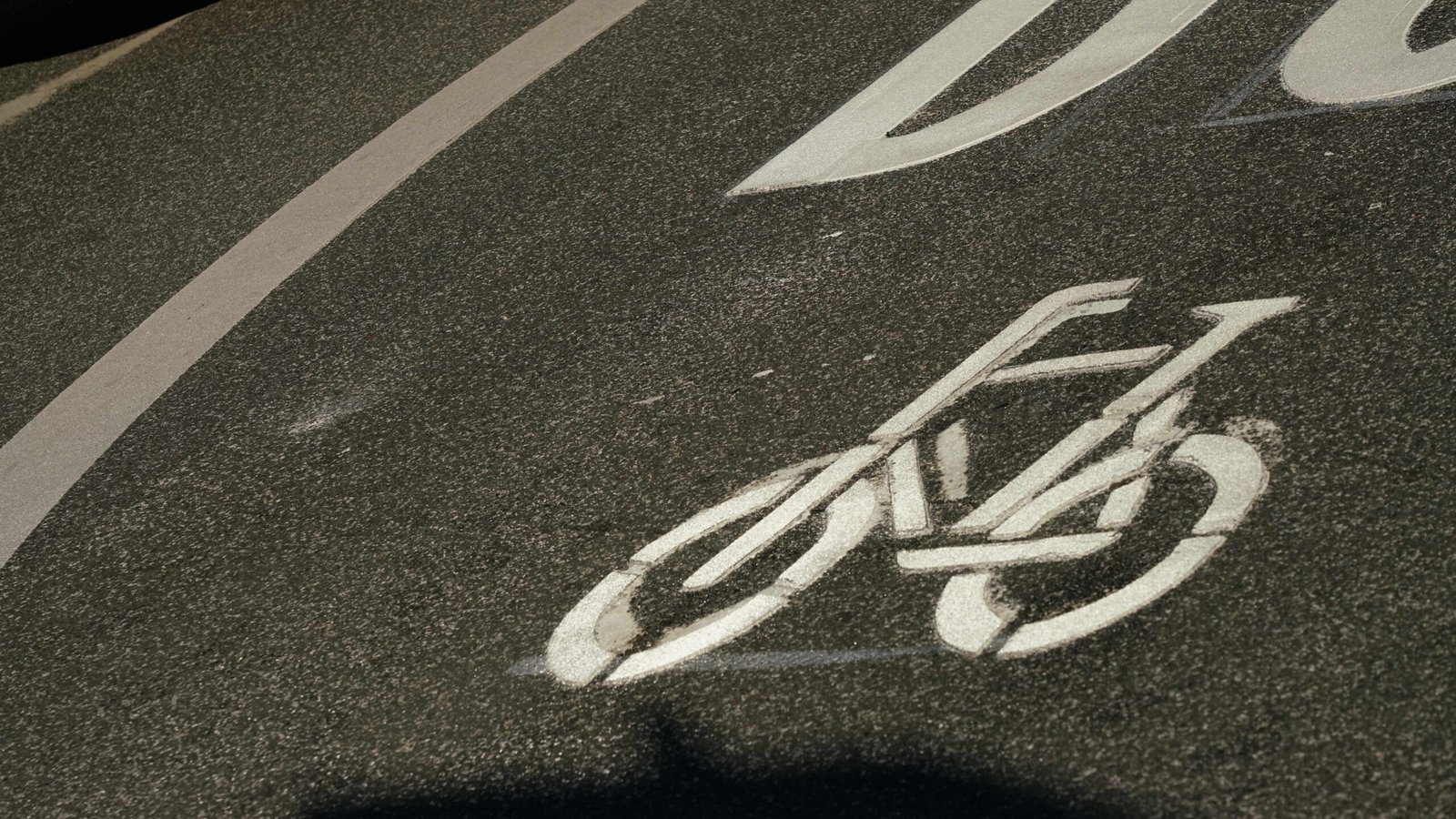
250301017398
B.ICONIC, YES I AM !
Inkjet print on fineart canvas.
ED. 1/1 140cm X 250cm
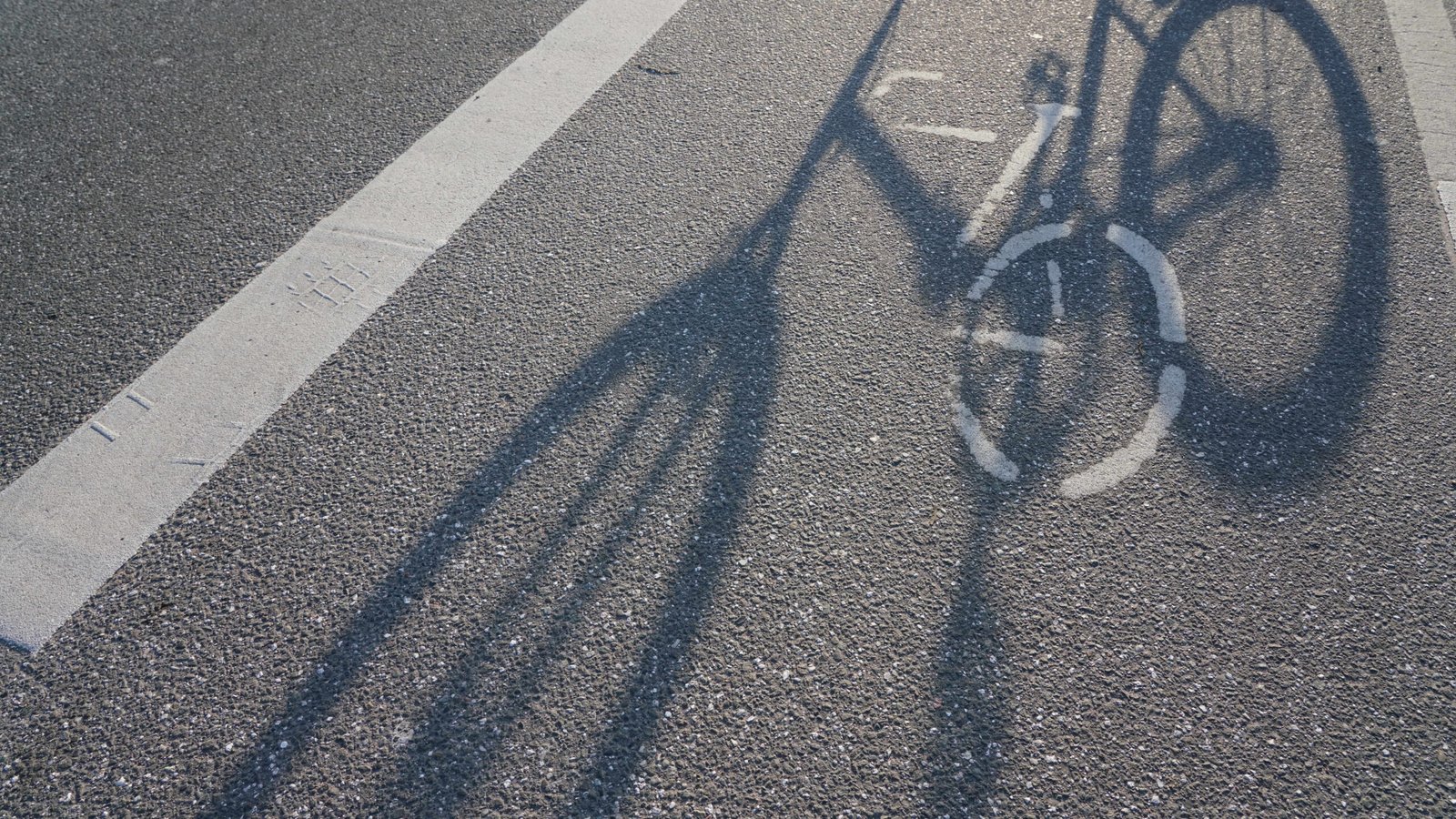
250201016846
B.ICONIC, YES I AM !
Inkjet print on fineart canvas.
ED. 1/1 140cm X 250cm
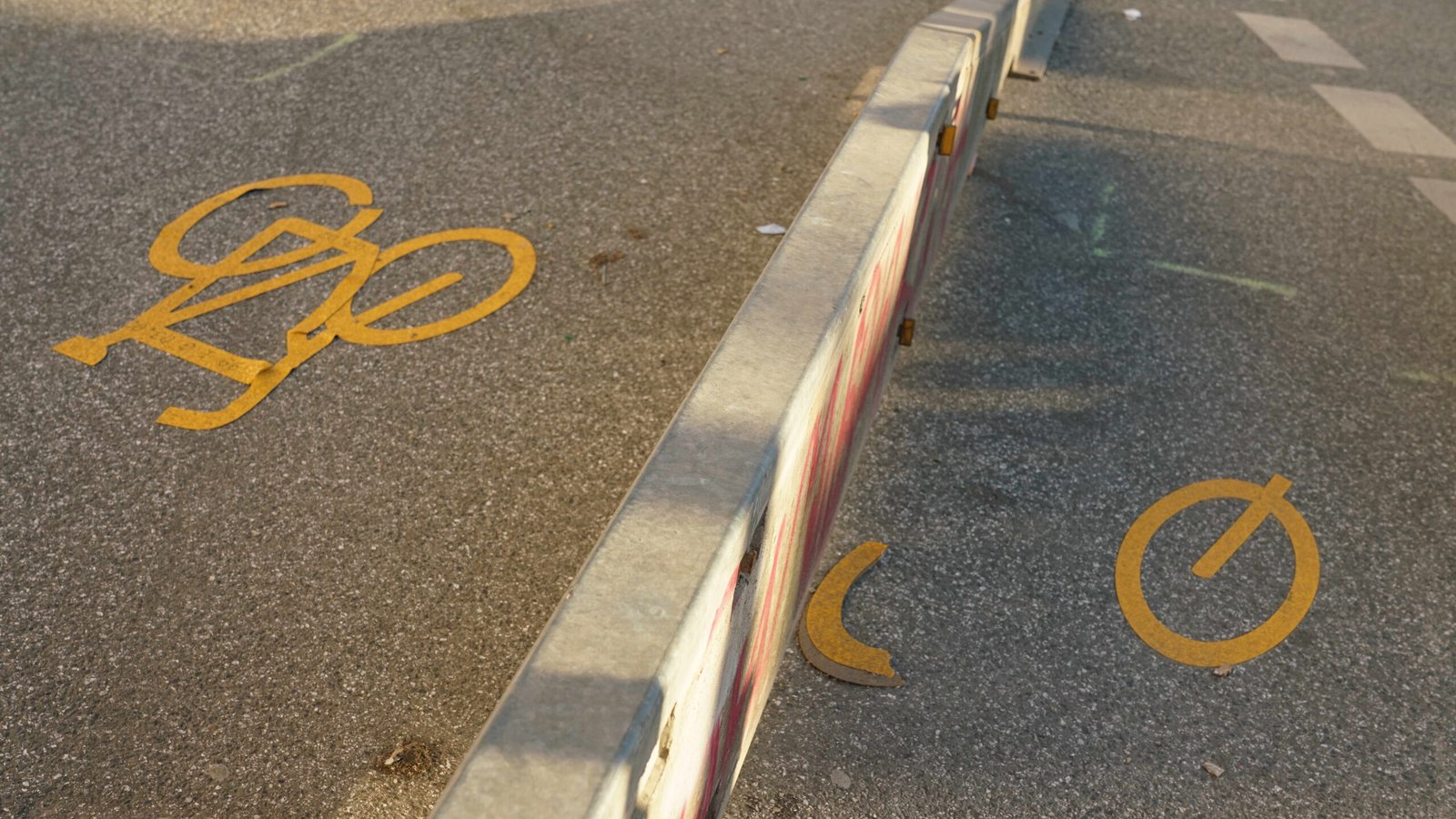
250301017503
B.ICONIC, YES I AM !
Inkjet print on fineart canvas.
ED. 1/1 140cm X 250cm
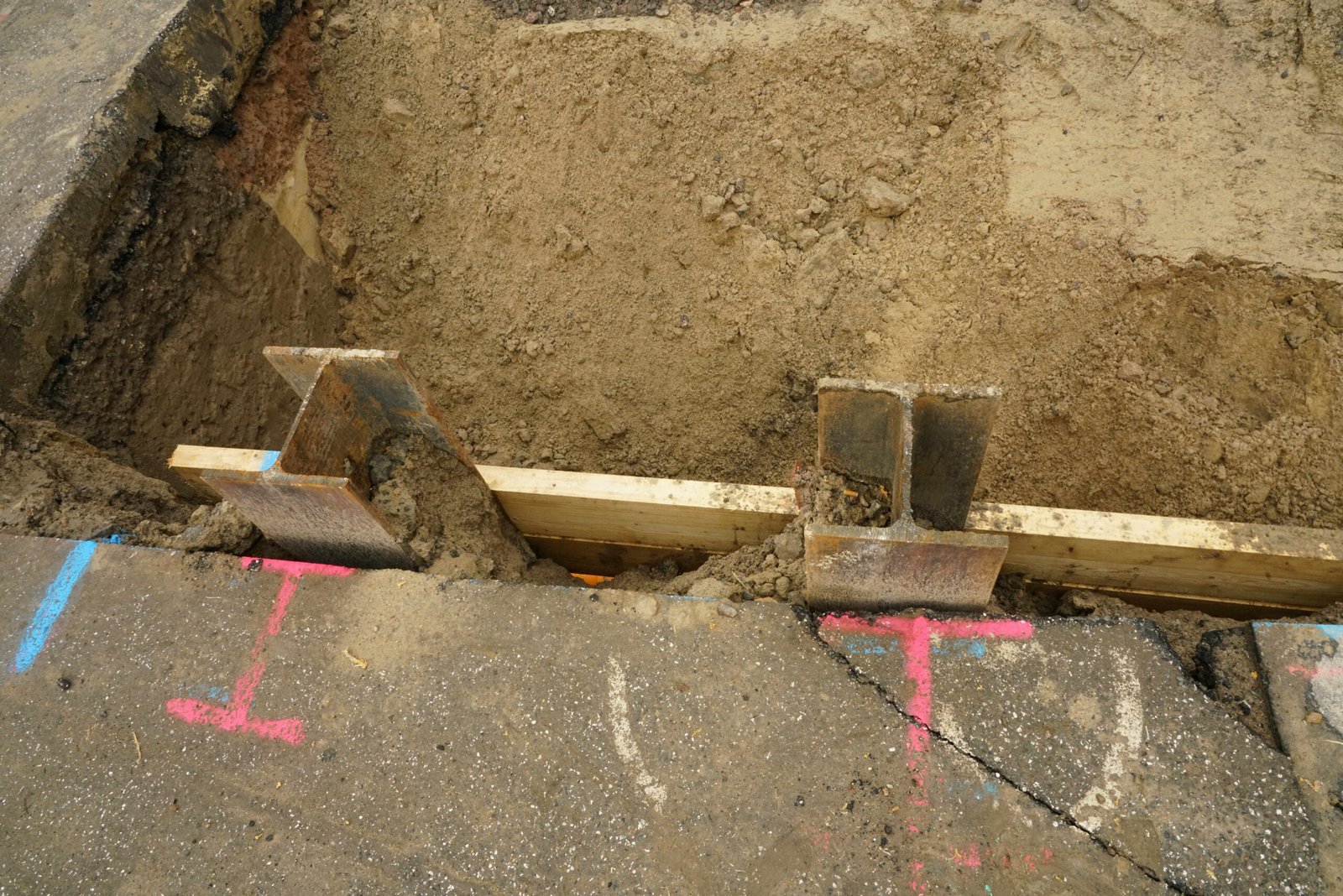
240902014067
B.ICONIC, YES I AM !
Inkjet print on fineart canvas.
ED. 1/1 140cm X 250cm
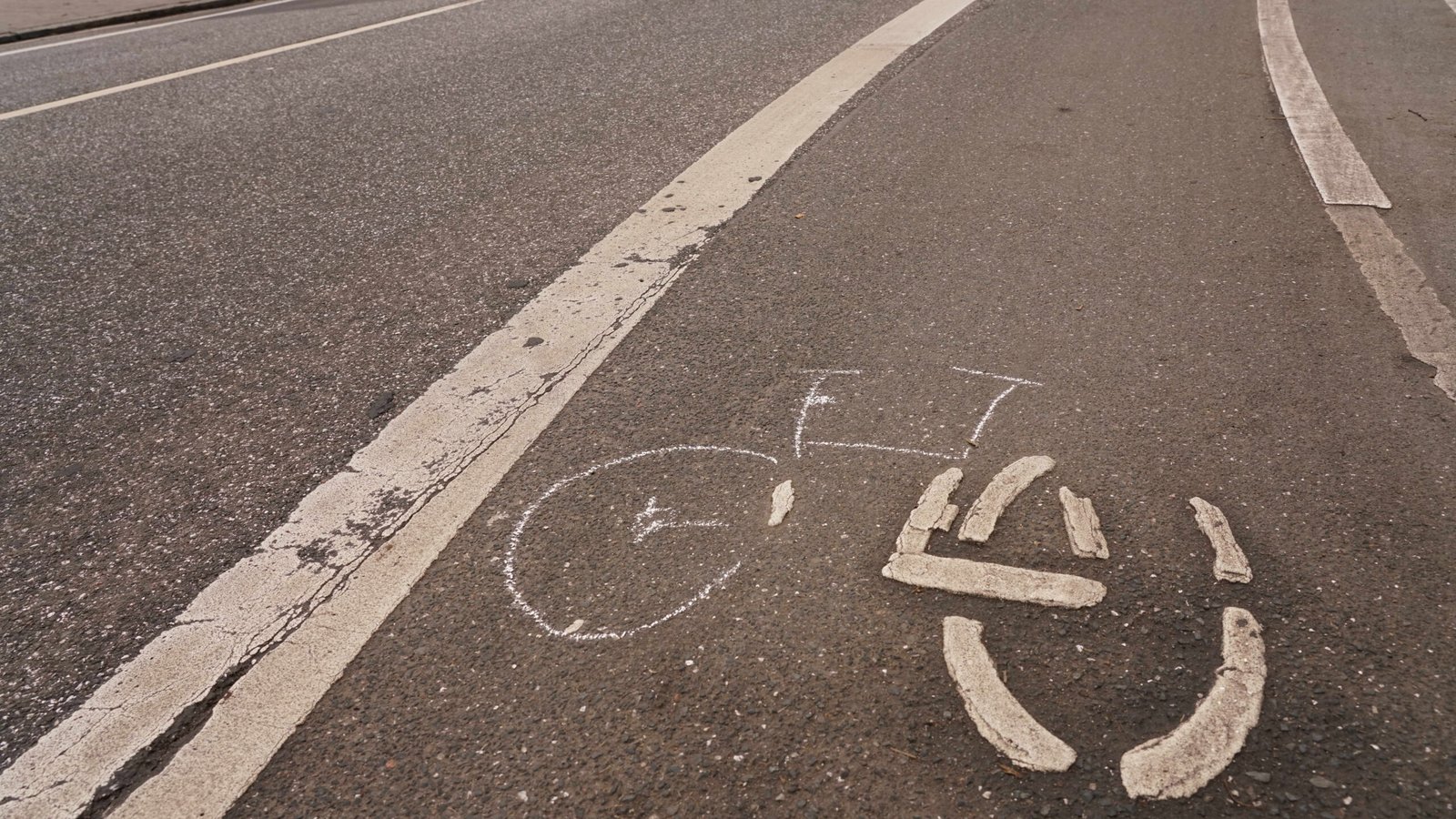
250201011518
B.ICONIC, YES I AM !
Inkjet print on fineart canvas.
ED. 1/1 140cm X 250cm
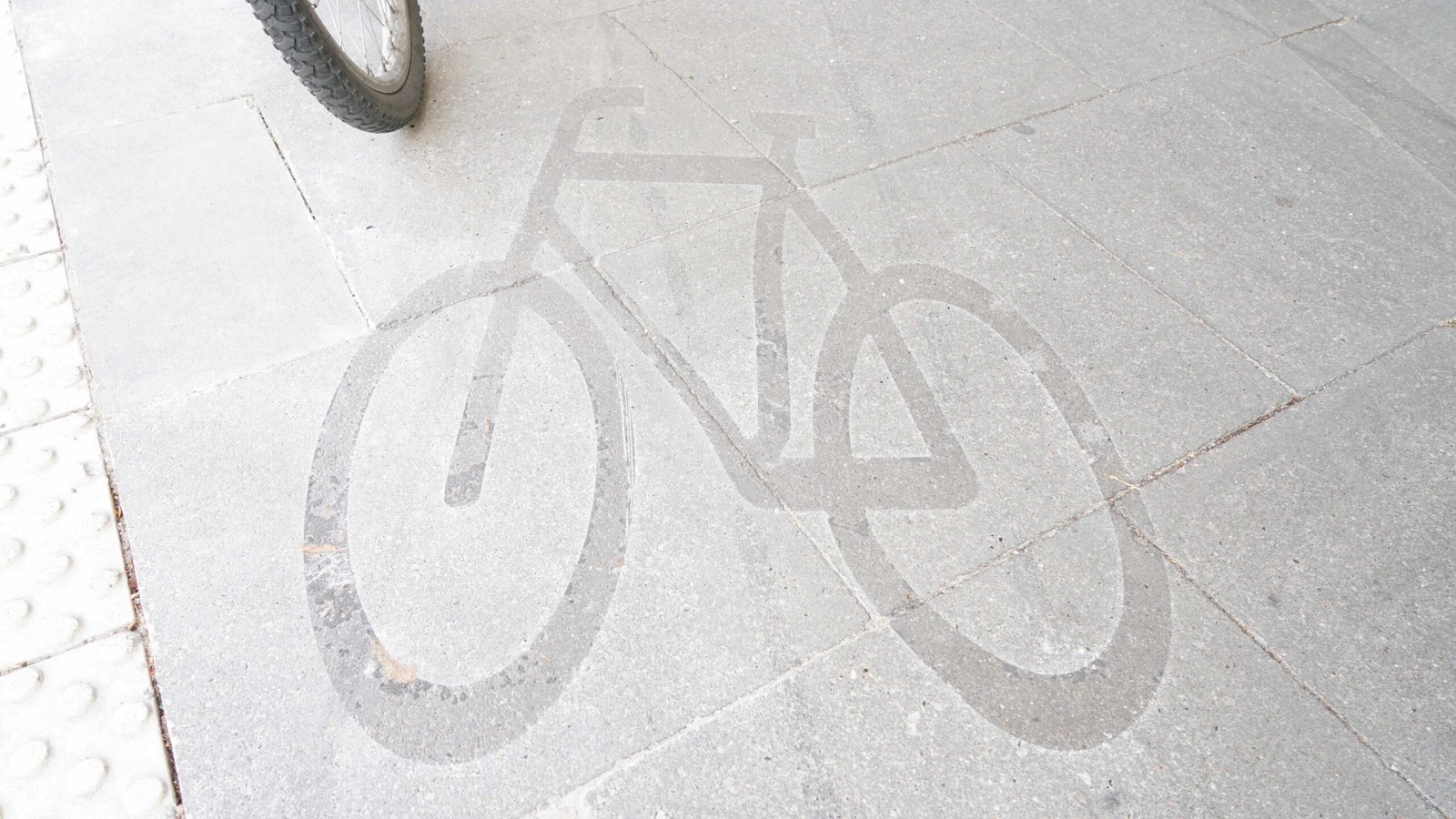
240901011471
B.ICONIC, YES I AM !
Inkjet print on fineart canvas.
ED. 1/1 140cm X 250cm
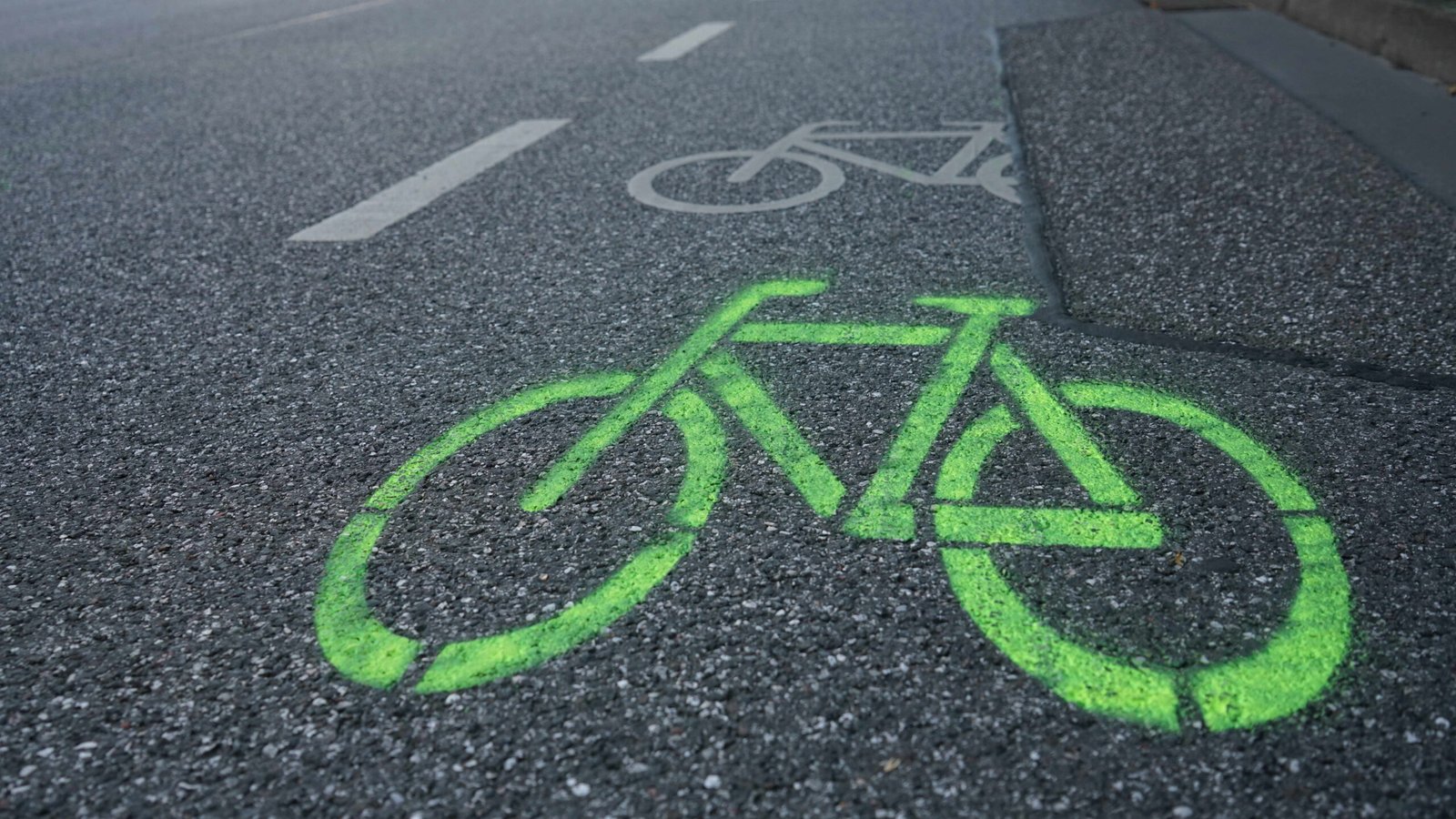
240902011852
B.ICONIC, YES I AM !
Inkjet print on fineart canvas.
ED. 1/1 140cm X 250cm
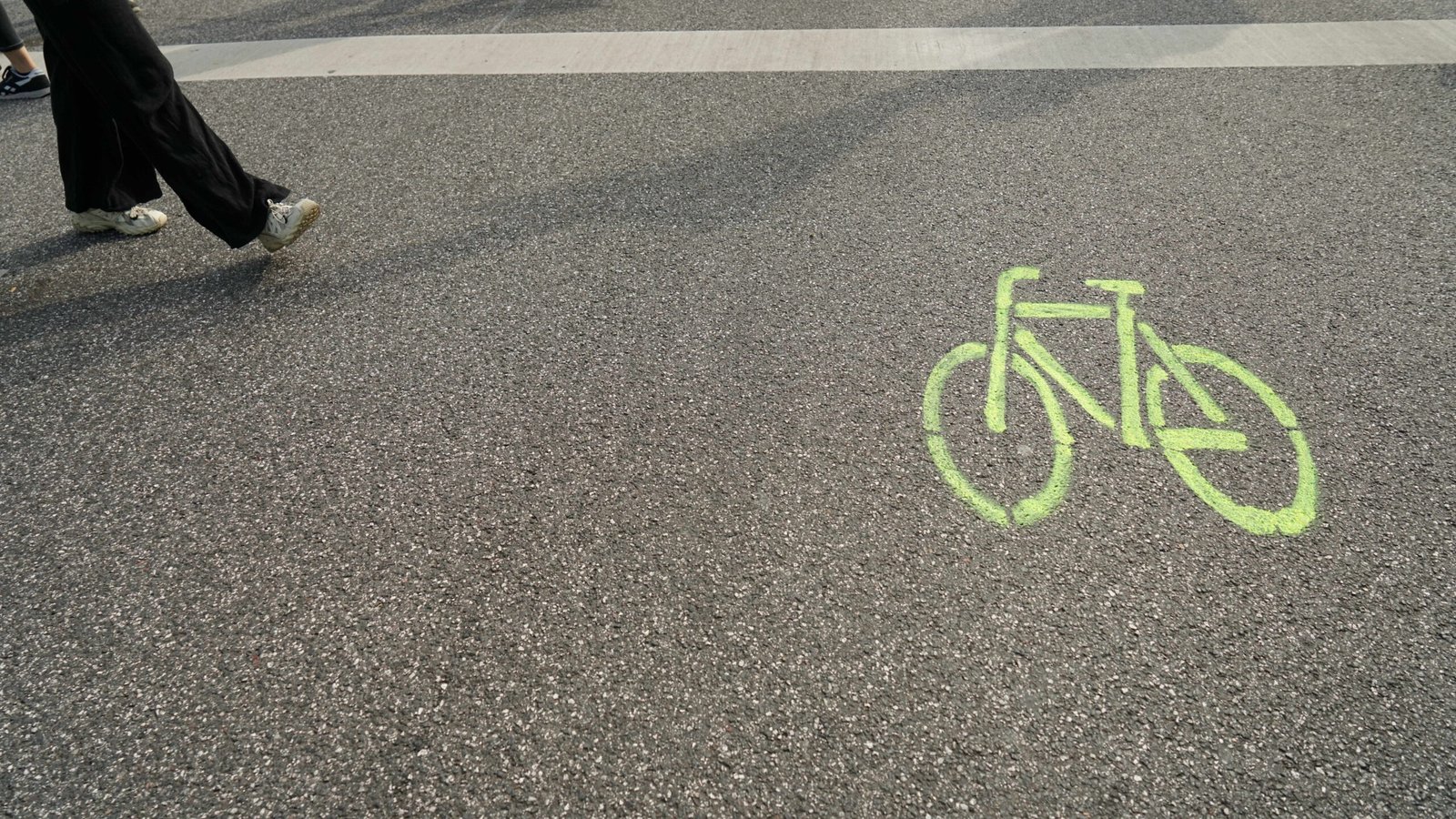
240902011865
B.ICONIC, YES I AM !
Inkjet print on fineart canvas.
ED. 1/1 140cm X 250cm
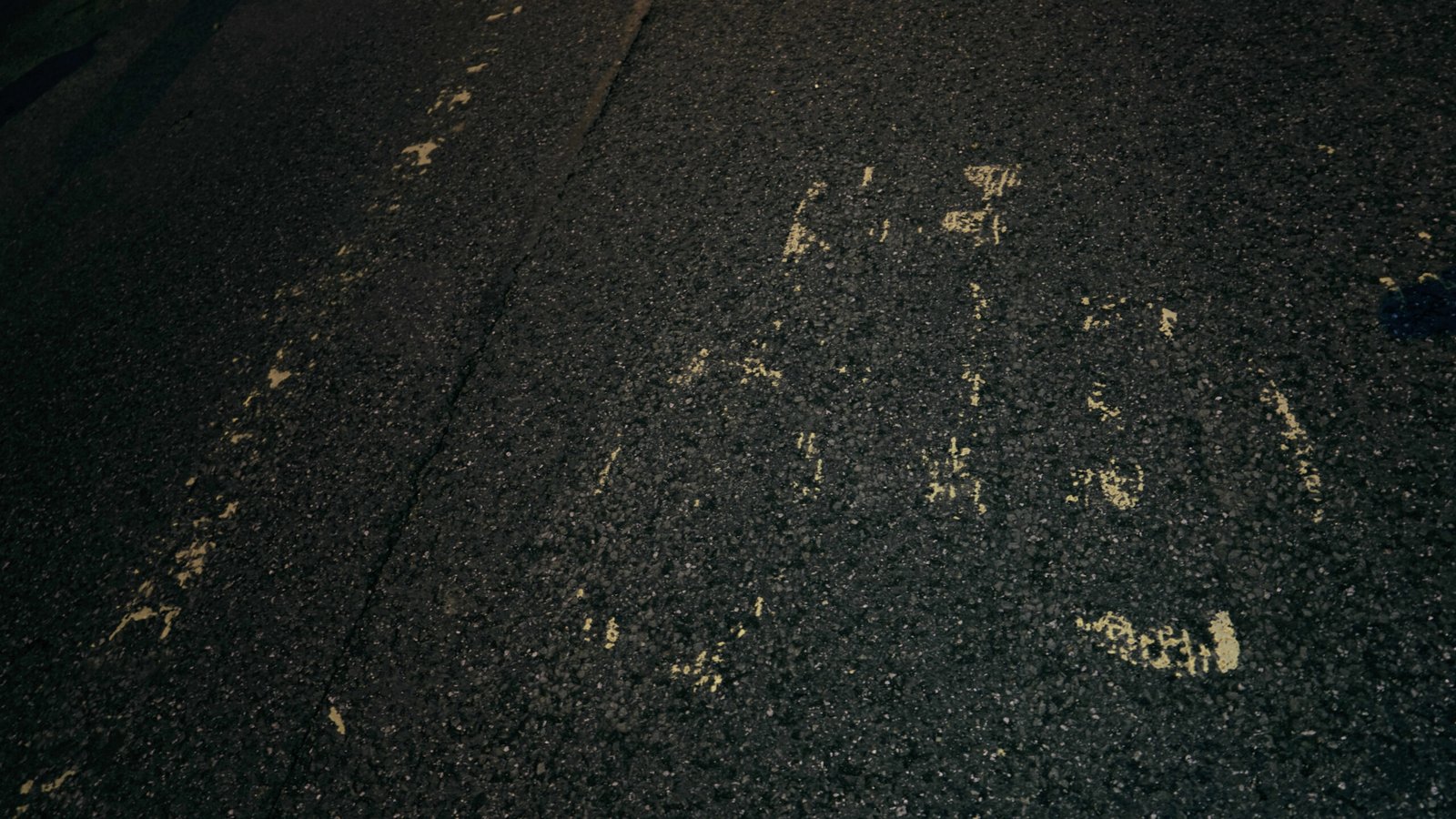
240901012946
B.ICONIC, YES I AM !
Inkjet print on fineart canvas.
ED. 1/1 140cm X 250cm
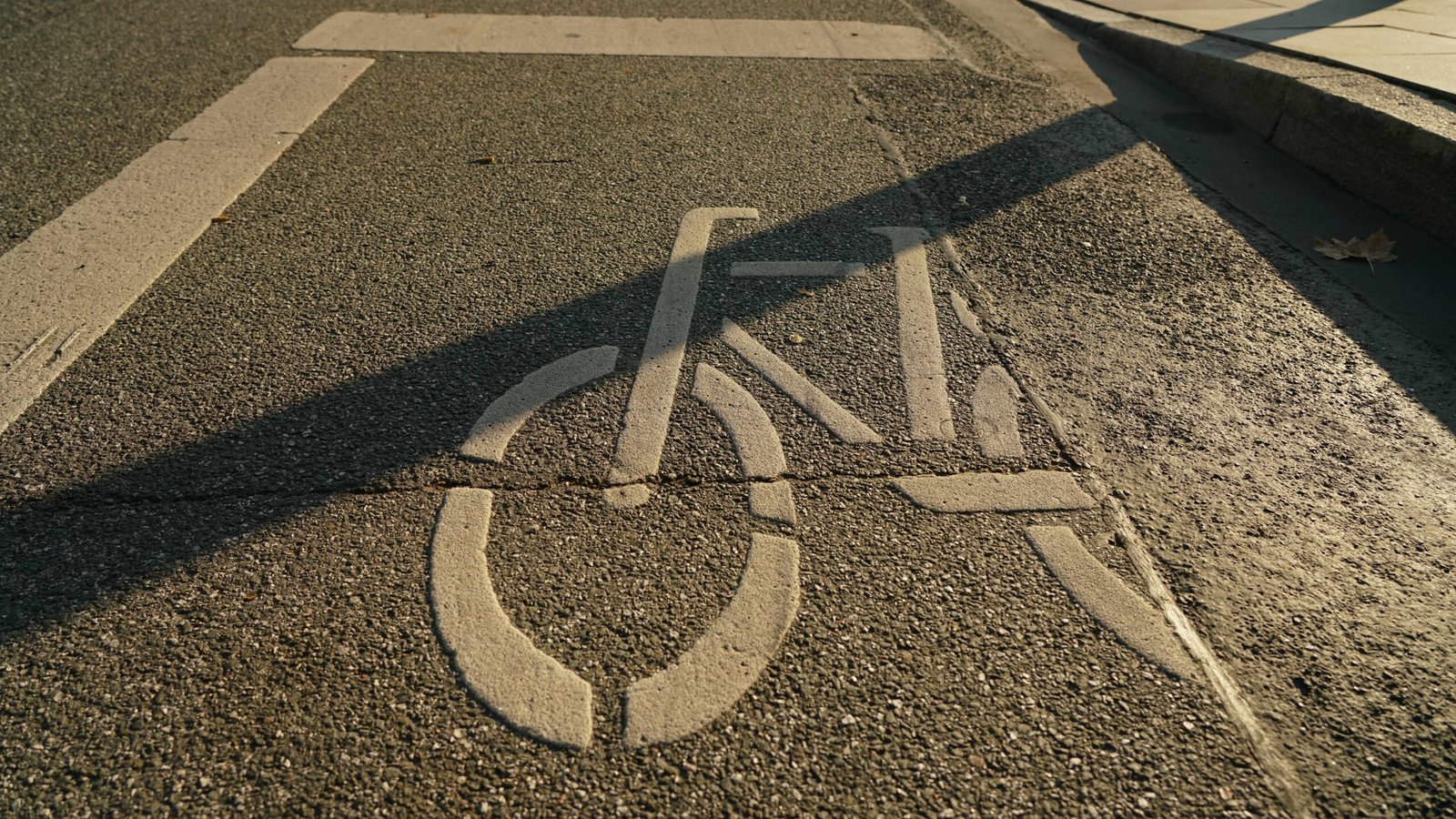
241001011165
B.ICONIC, YES I AM !
Inkjet print on fineart canvas.
ED. 1/1 140cm X 250cm
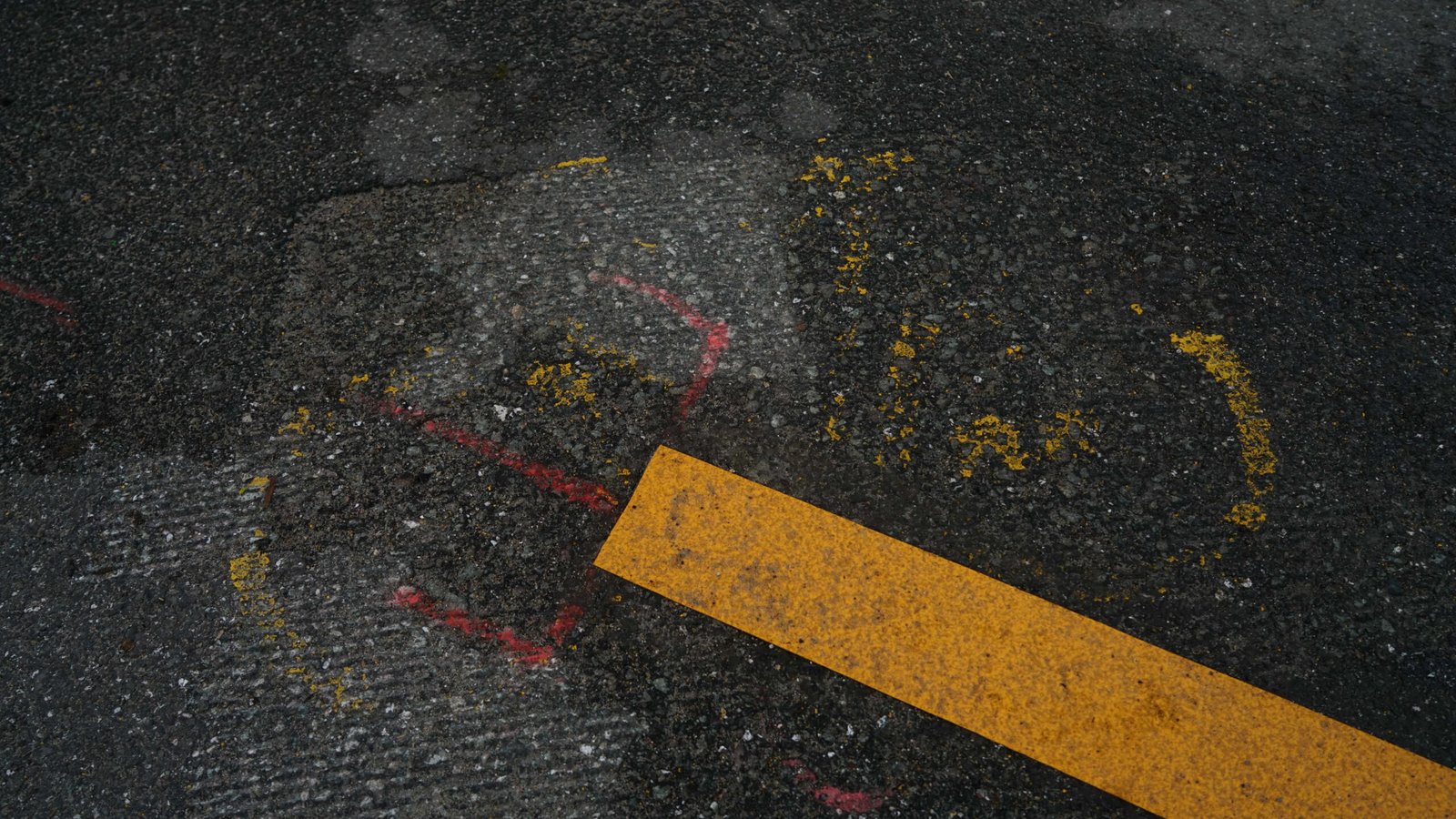
240806015246
B.ICONIC, YES I AM !
Inkjet print on fineart canvas.
ED. 1/1 140cm X 250cm
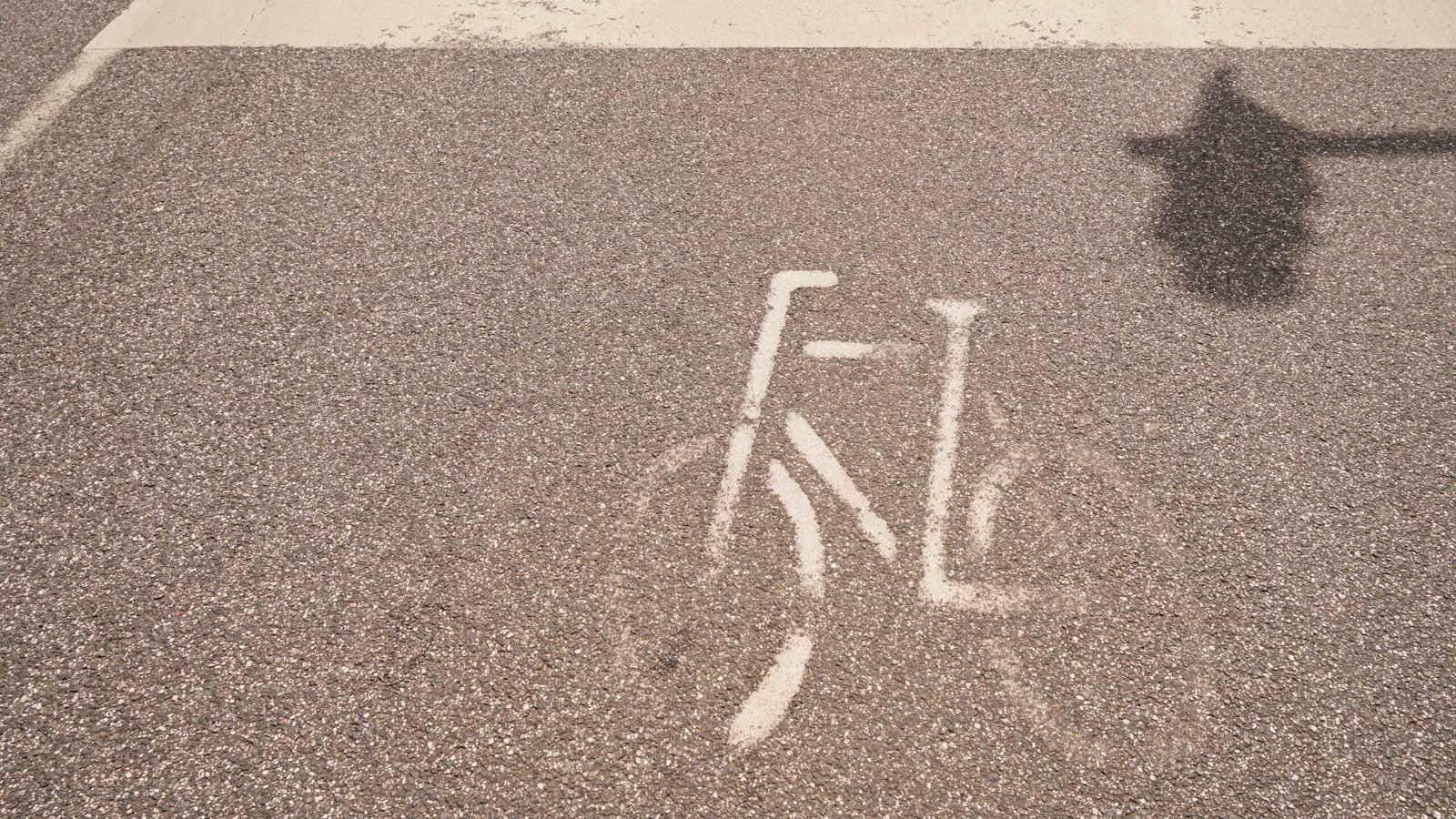
240803015327
B.ICONIC, YES I AM !
Inkjet print on fineart canvas.
ED. 1/1 140cm X 250cm
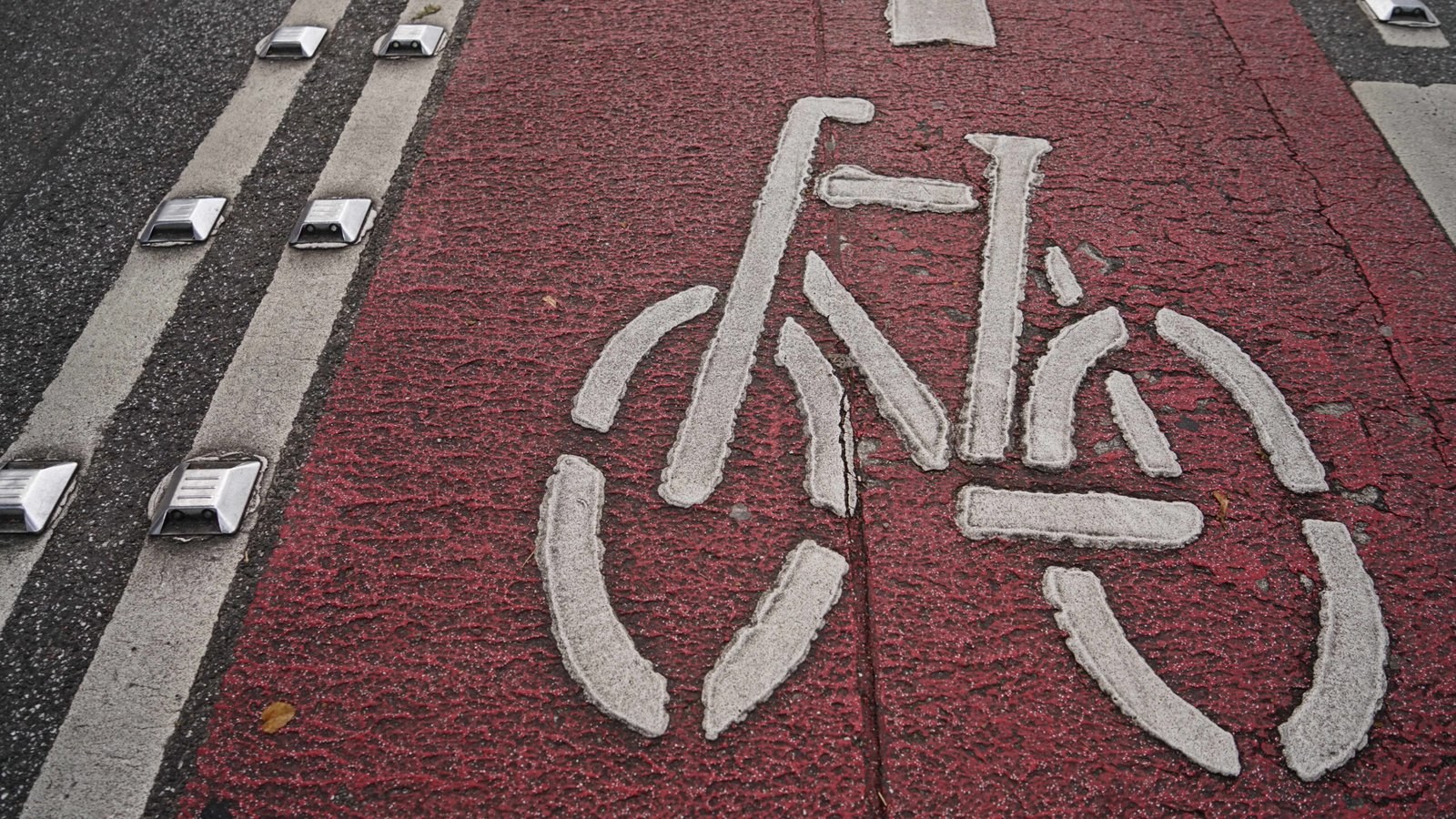
240901013676
B.ICONIC, YES I AM !
Inkjet print on fineart canvas.
ED. 1/1 140cm X 250cm
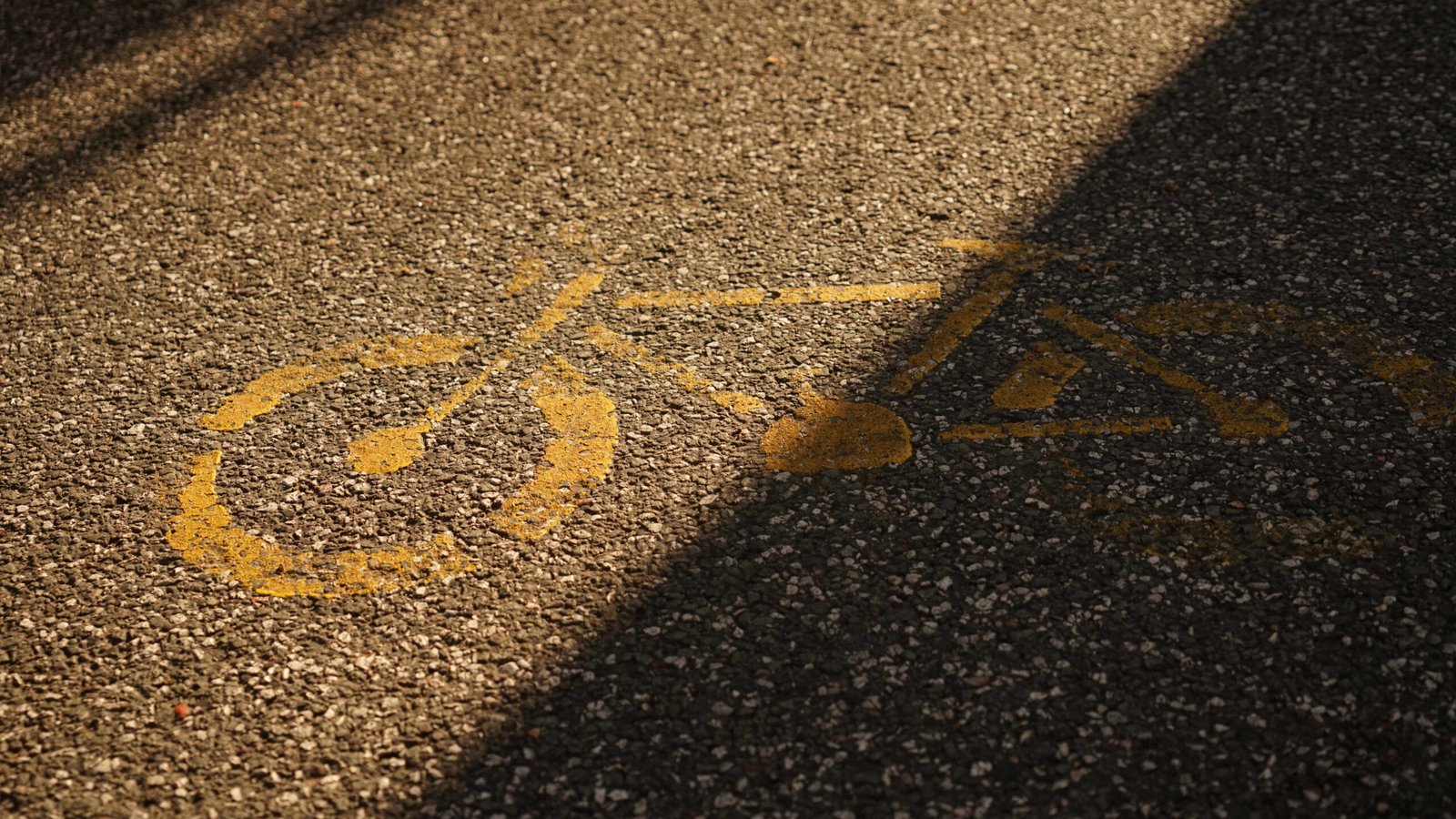
240901015362
B.ICONIC, YES I AM !
Inkjet print on fineart canvas.
ED. 1/1 140cm X 250cm
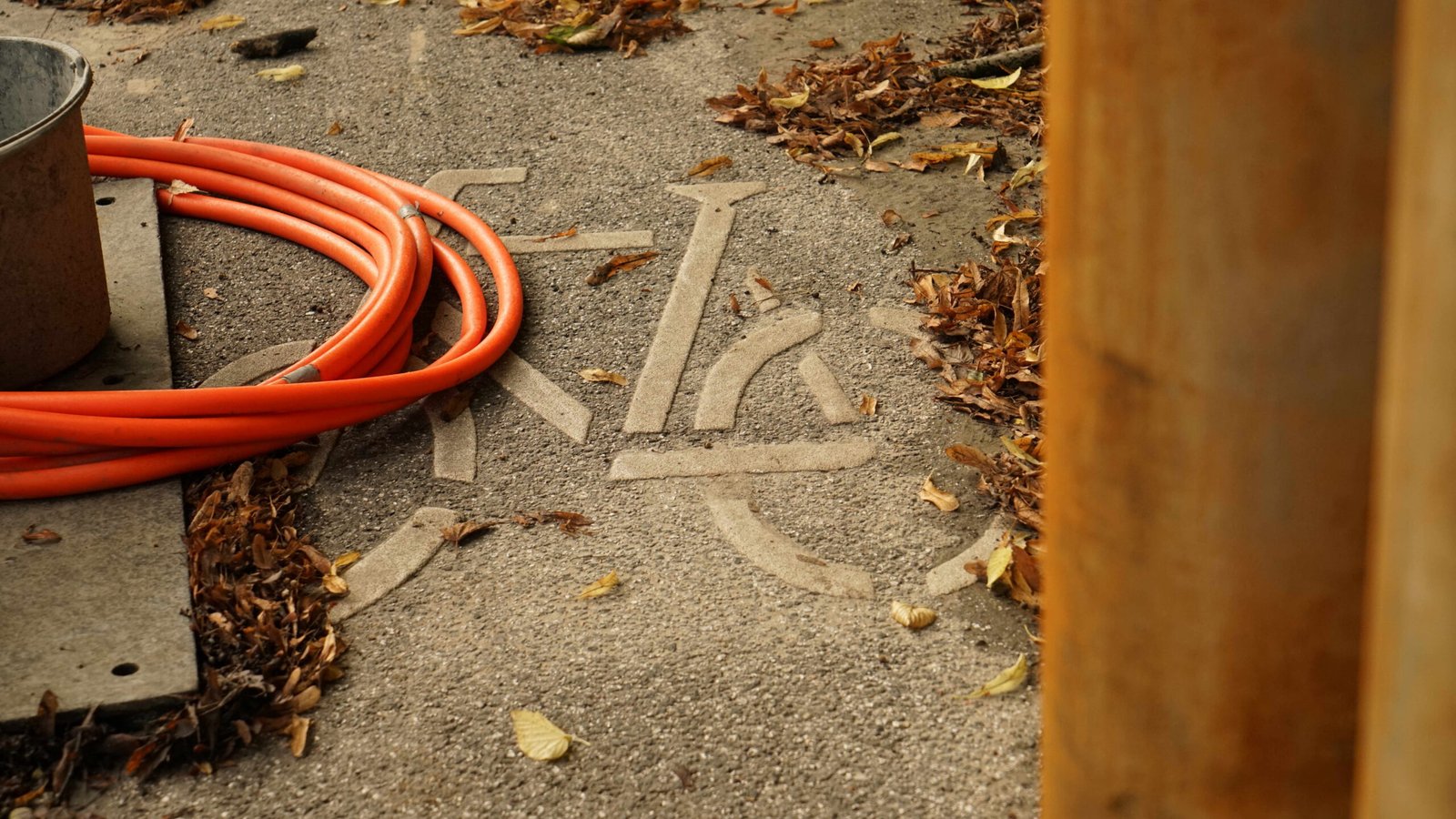
240902010323
B.ICONIC, YES I AM !
Inkjet print on fineart canvas.
ED. 1/1 140cm X 250cm
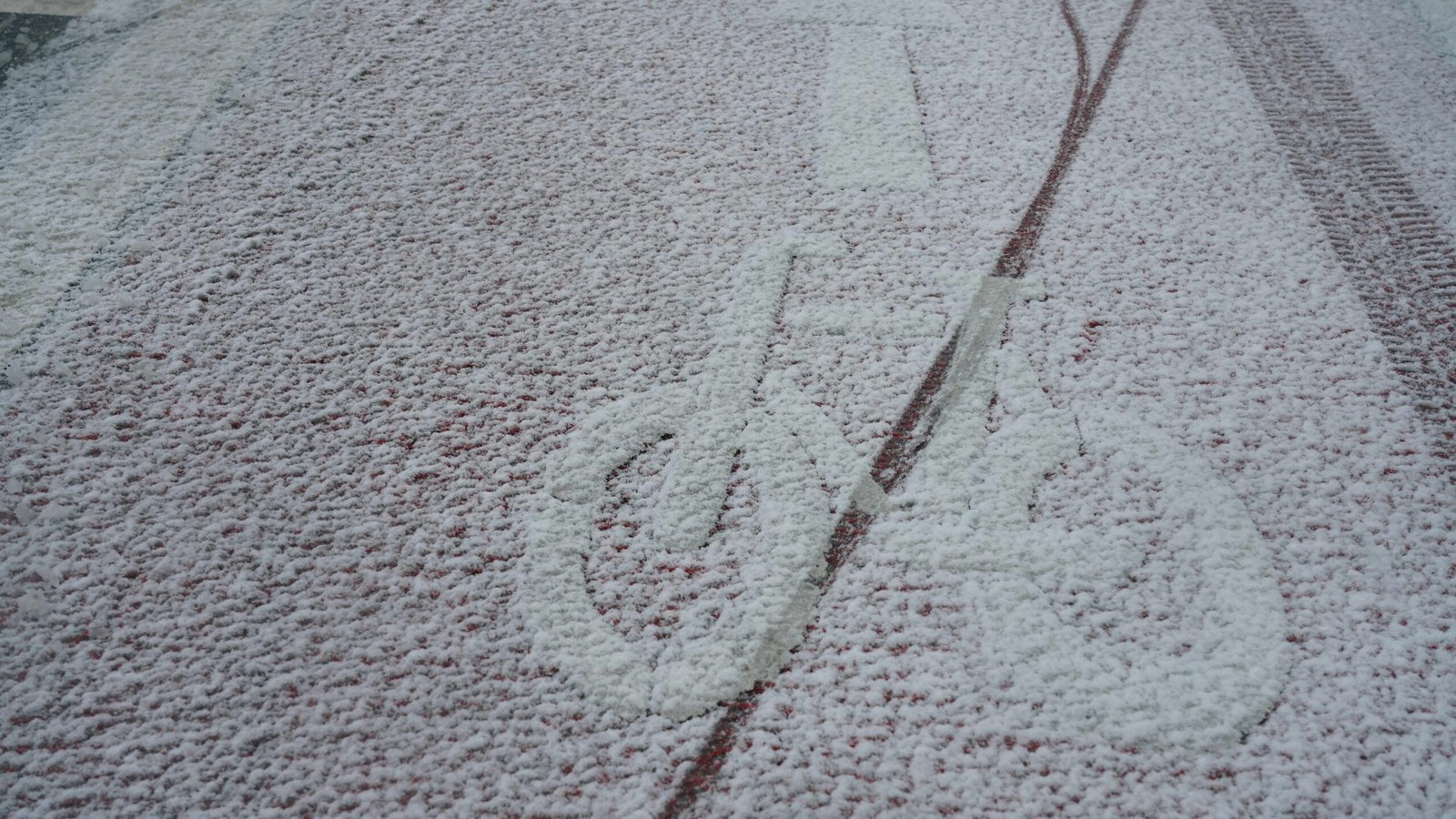
241201013316
B.ICONIC, YES I AM !
Inkjet print on fineart canvas.
ED. 1/1 140cm X 250cm
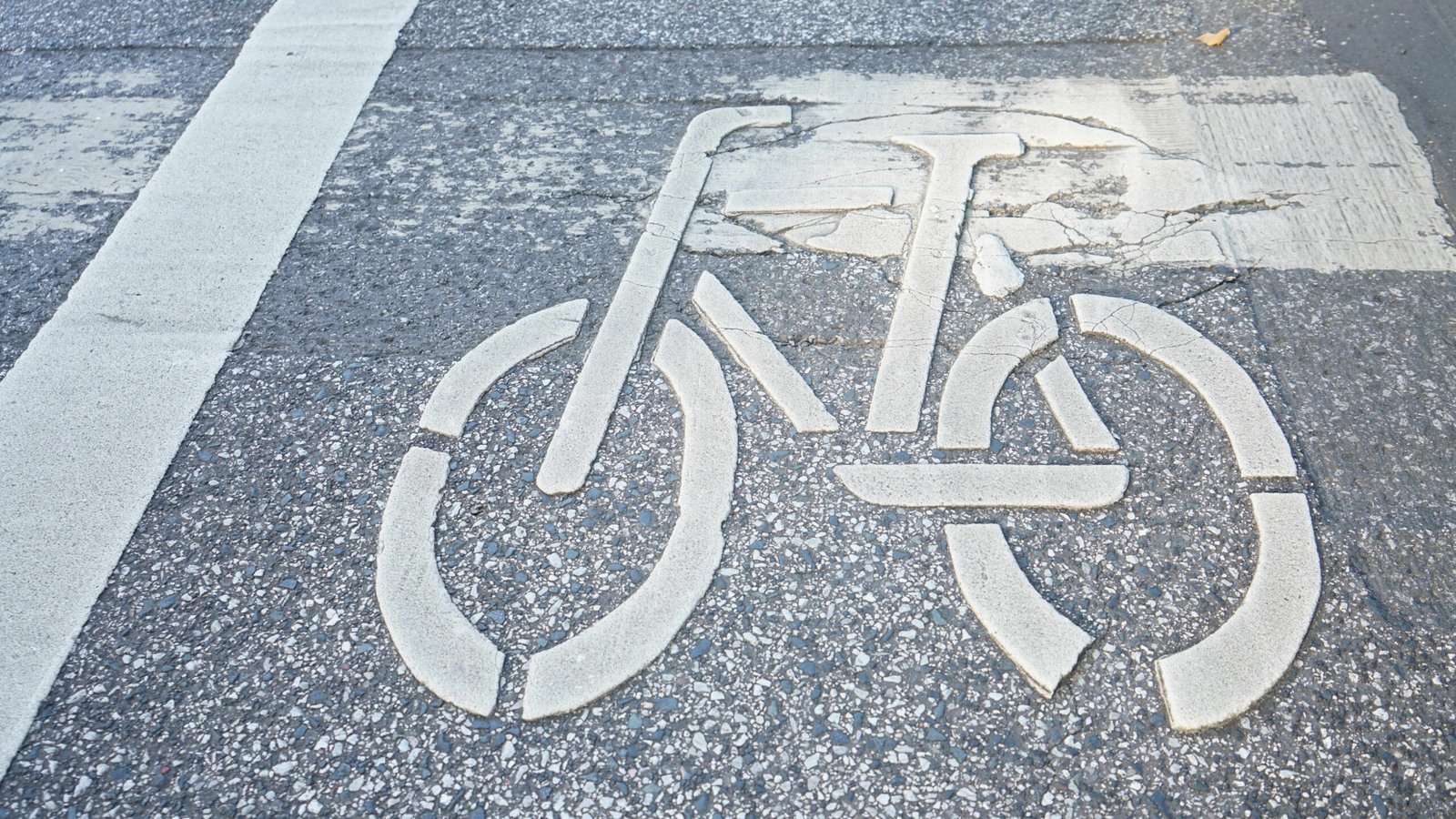
240902011513
B.ICONIC, YES I AM !
Inkjet print on fineart canvas.
ED. 1/1 140cm X 250cm
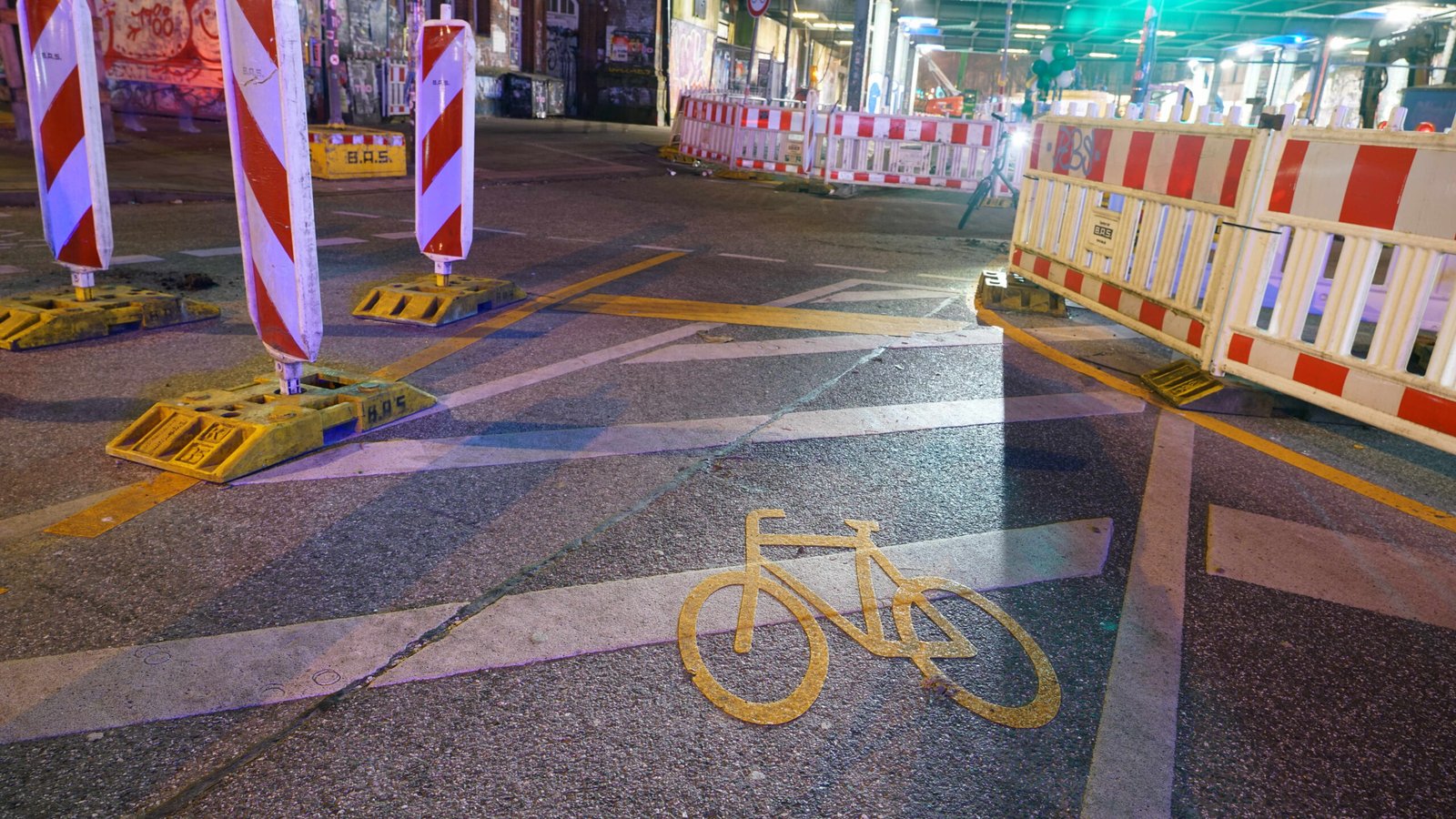
250201013372
B.ICONIC, YES I AM !
Inkjet print on fineart canvas.
ED. 1/1 140cm X 250cm
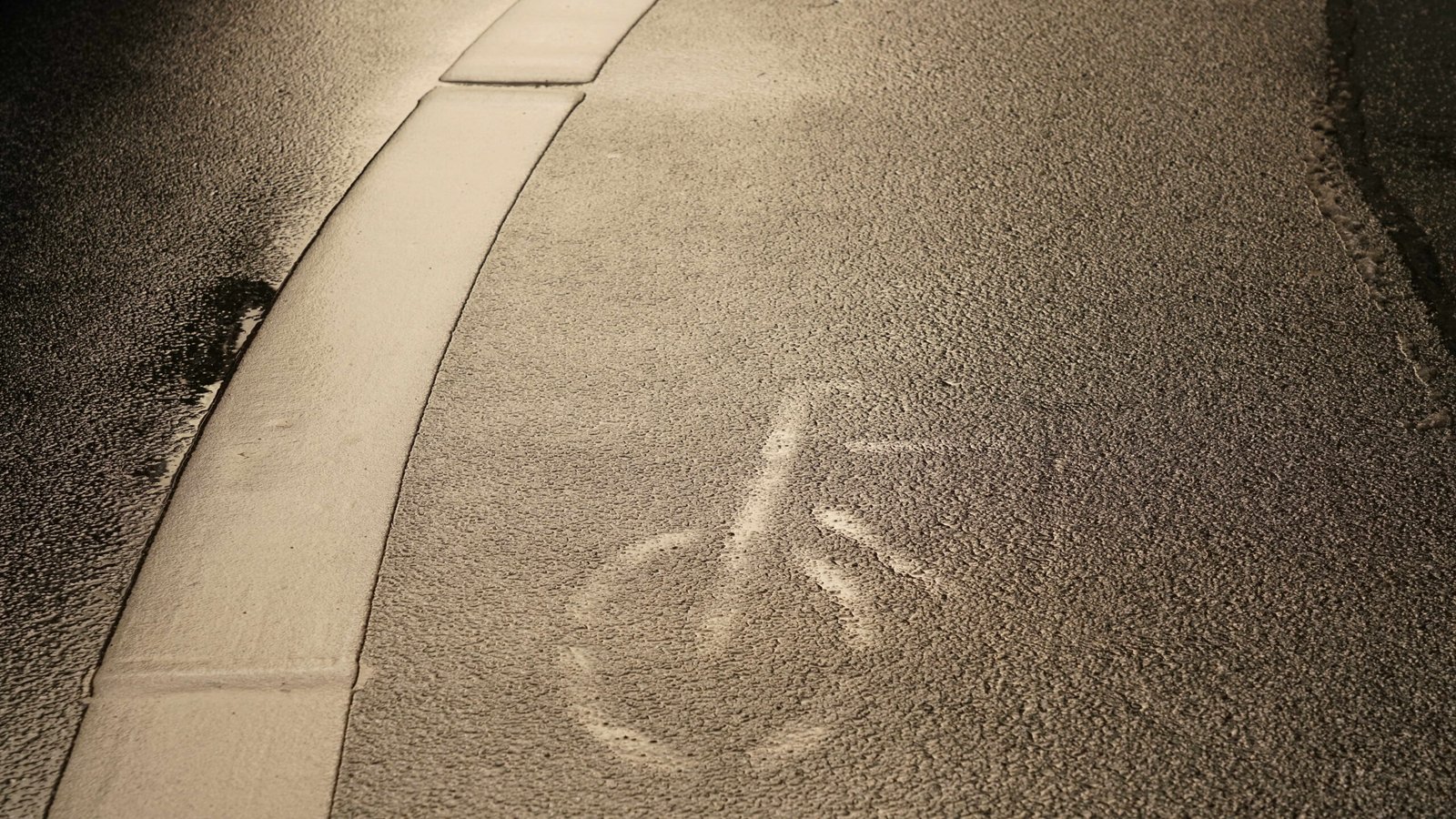
250201018095
B.ICONIC, YES I AM !
Inkjet print on fineart canvas.
ED. 1/1 140cm X 250cm
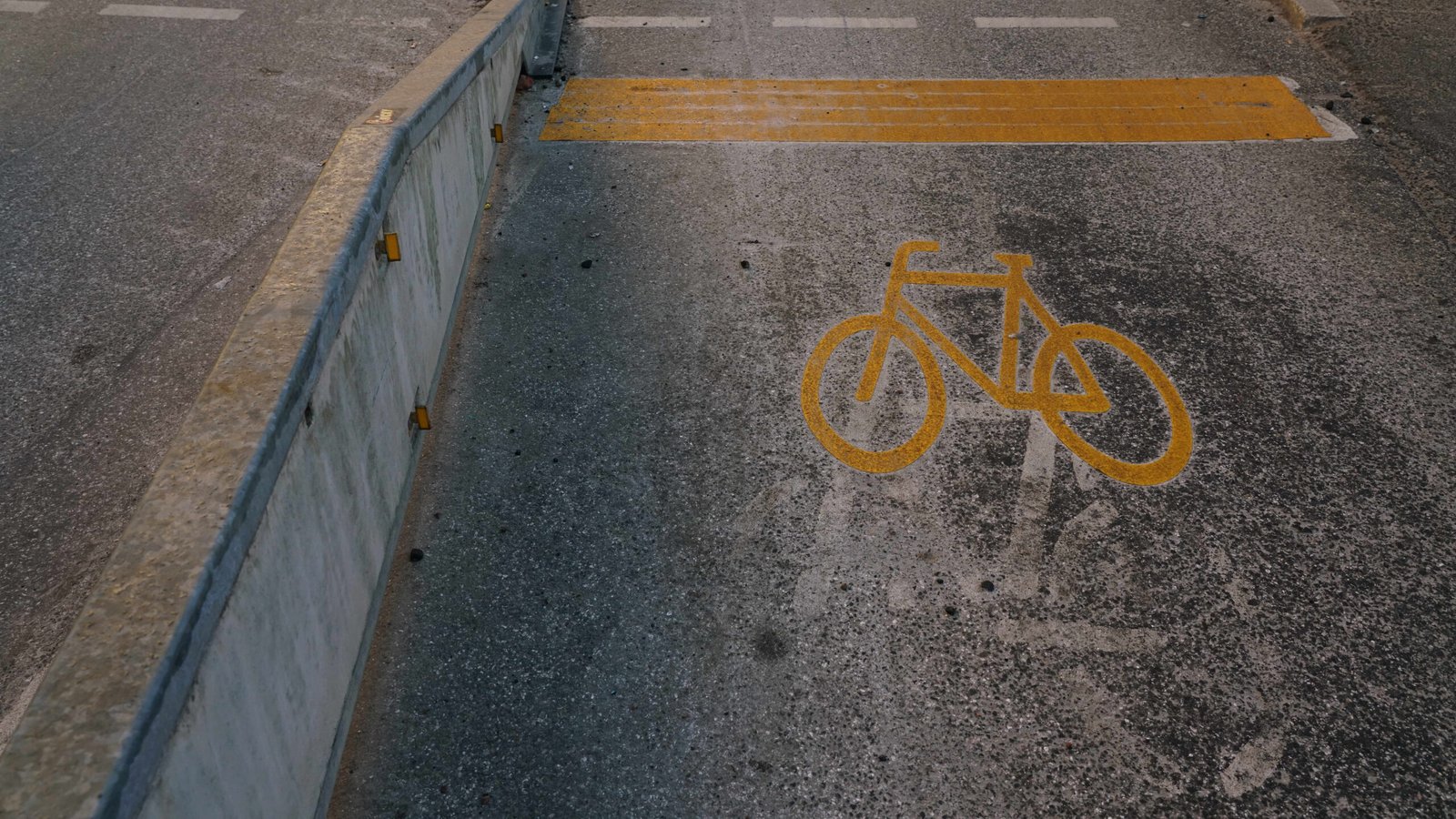
250301010627
B.ICONIC, YES I AM !
Inkjet print on fineart canvas.
ED. 1/1 140cm X 250cm
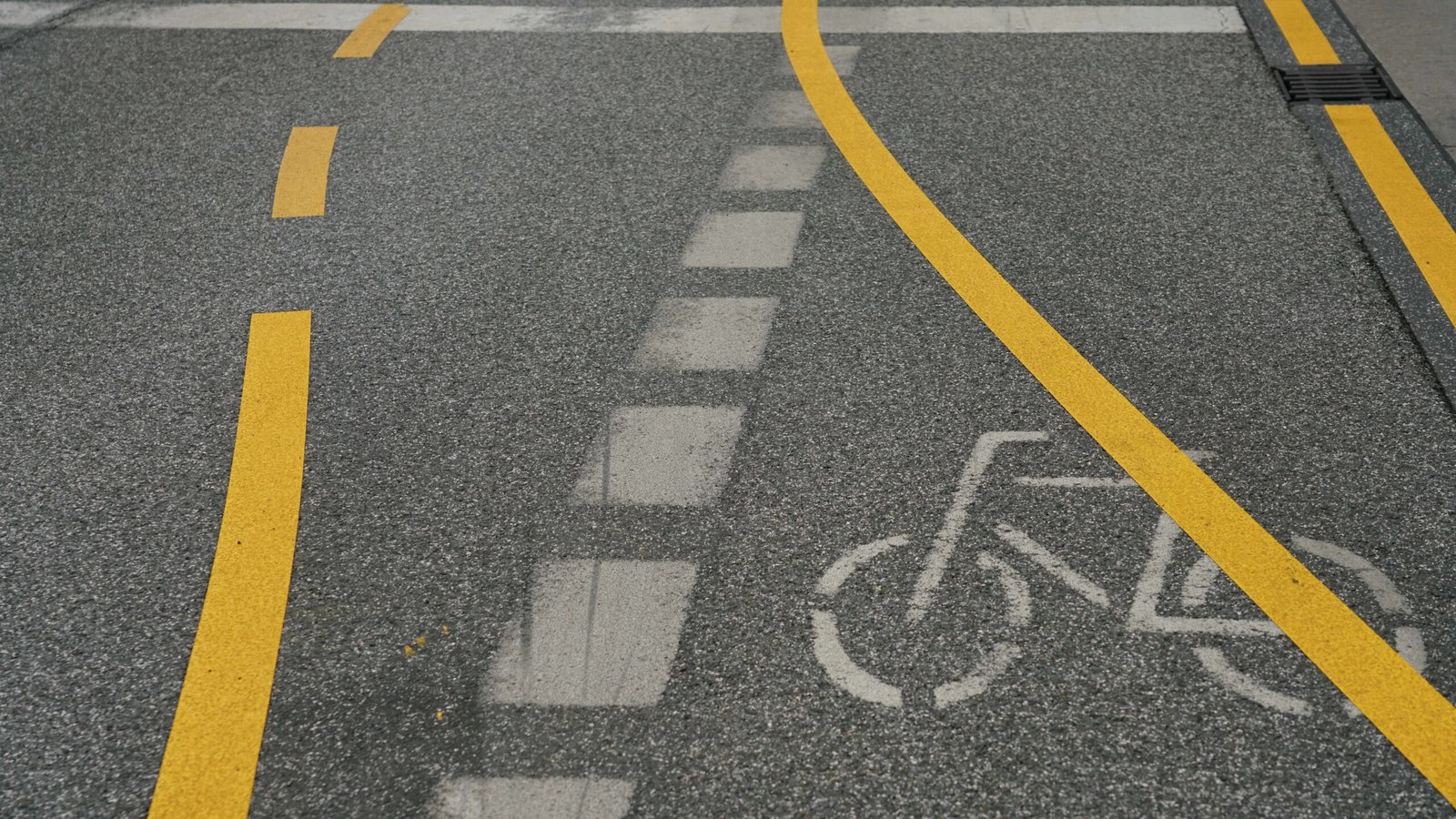
240902016712
B.ICONIC, YES I AM !
Inkjet print on fineart canvas.
ED. 1/1 140cm X 250cm
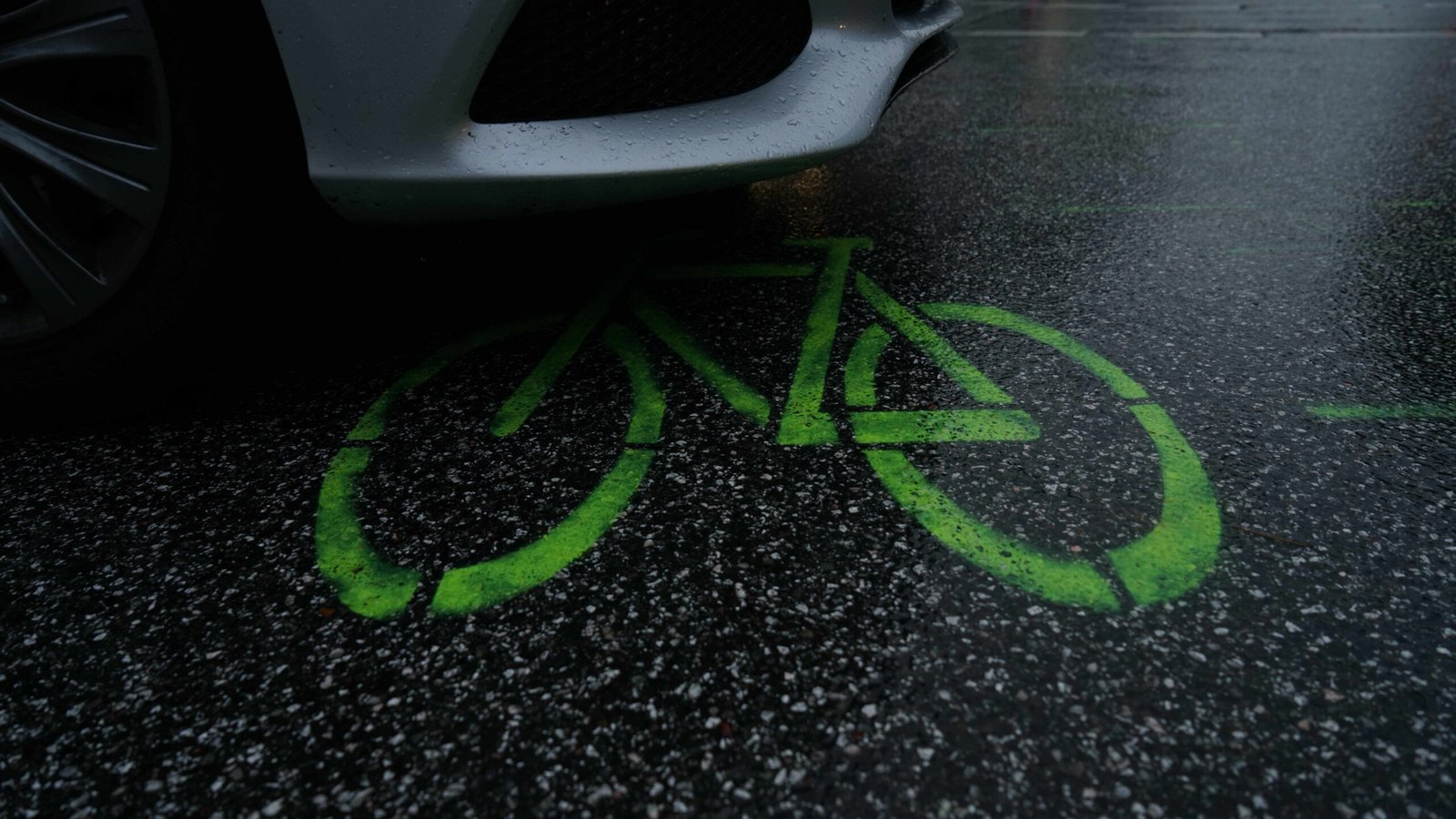
240902011981
B.ICONIC, YES I AM !
Inkjet print on fineart canvas.
ED. 1/1 140cm X 250cm
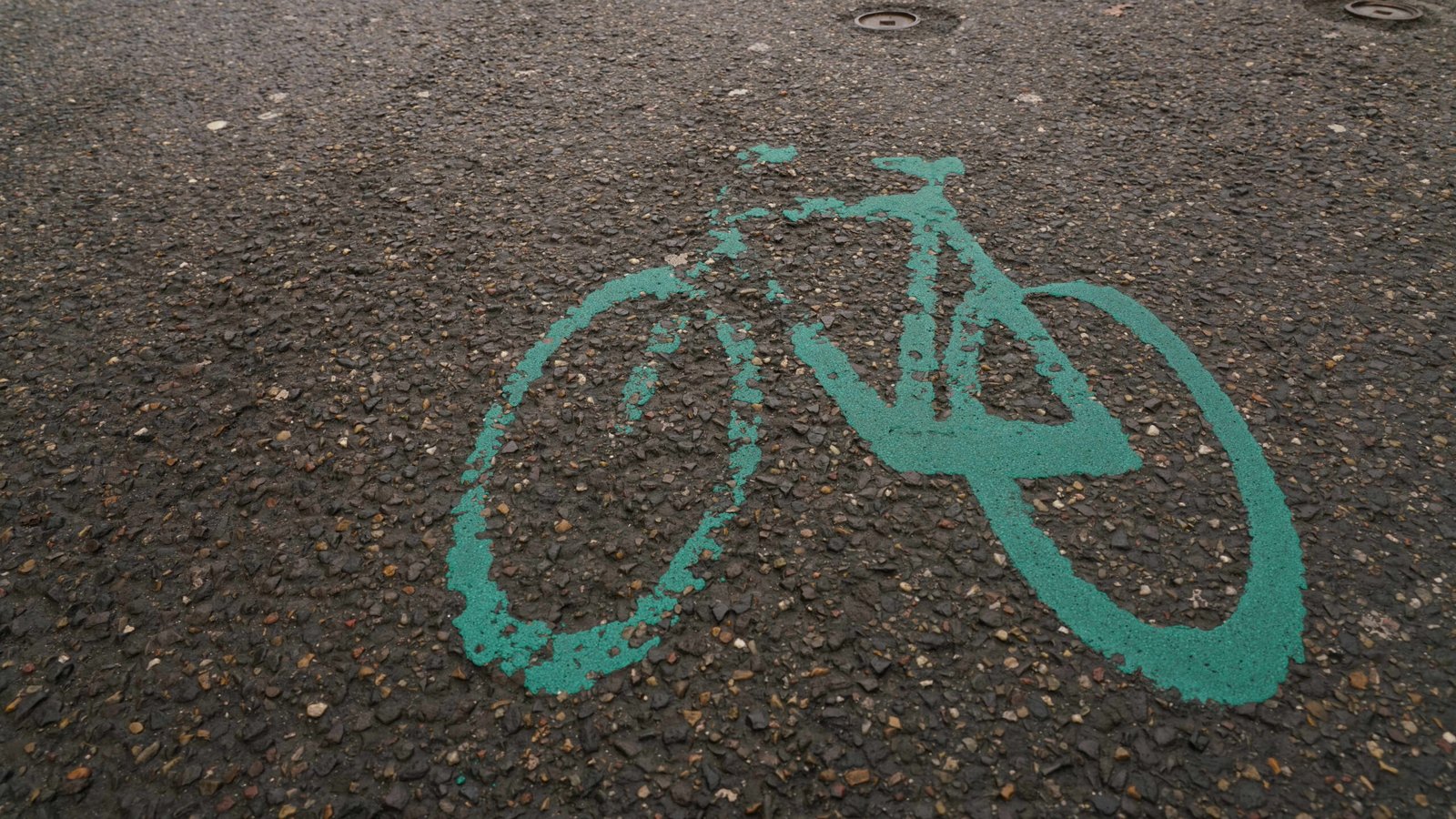
250301012119
B.ICONIC, YES I AM !
Inkjet print on fineart canvas.
ED. 1/1 140cm X 250cm
250301010739
B.ICONIC, YES I AM !
Inkjet print on fineart canvas.
ED. 1/1 140cm X 250cm
240902016723
B.ICONIC, YES I AM !
Inkjet print on fineart canvas.
ED. 1/1 140cm X 250cm
250301017641
B.ICONIC, YES I AM !
Inkjet print on fineart canvas.
ED. 1/1 140cm X 250cm
241001012324
B.ICONIC, YES I AM !
Inkjet print on fineart canvas.
ED. 1/1 140cm X 250cm
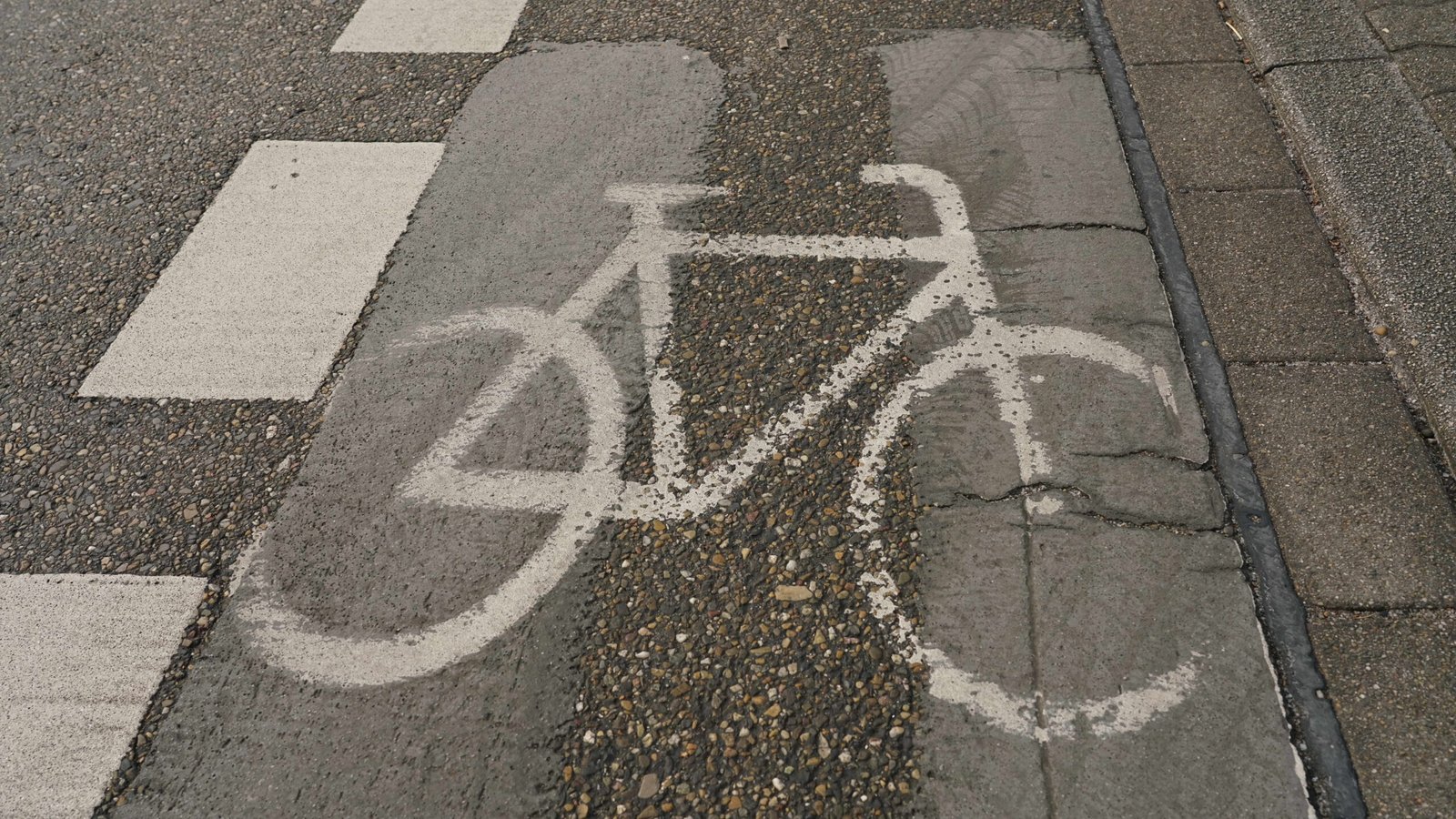
250301012480
B.ICONIC, YES I AM !
Inkjet print on fineart canvas.
ED. 1/1 140cm X 250cm
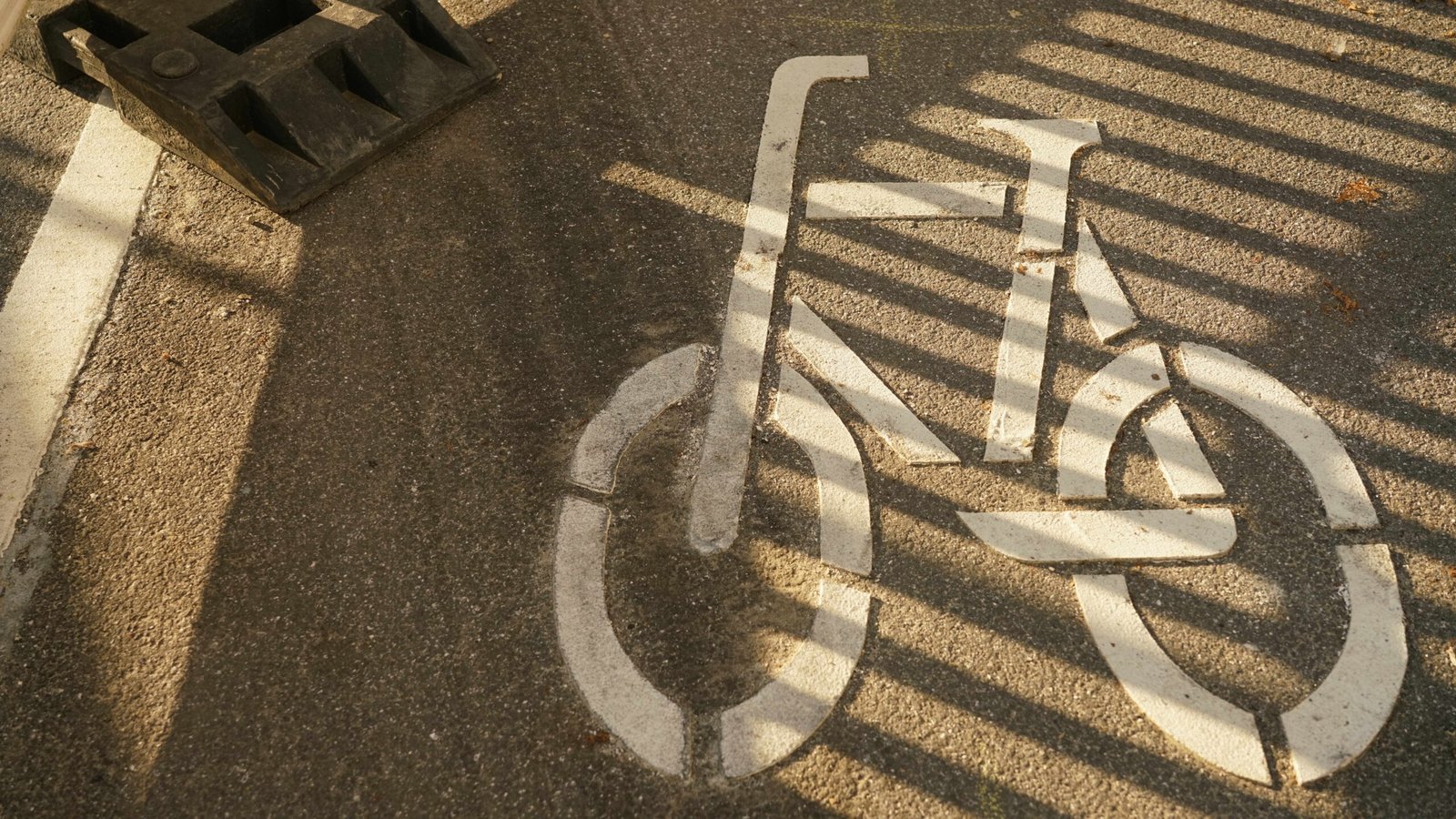
241001011311
B.ICONIC, YES I AM !
Inkjet print on fineart canvas.
ED. 1/1 140cm X 250cm
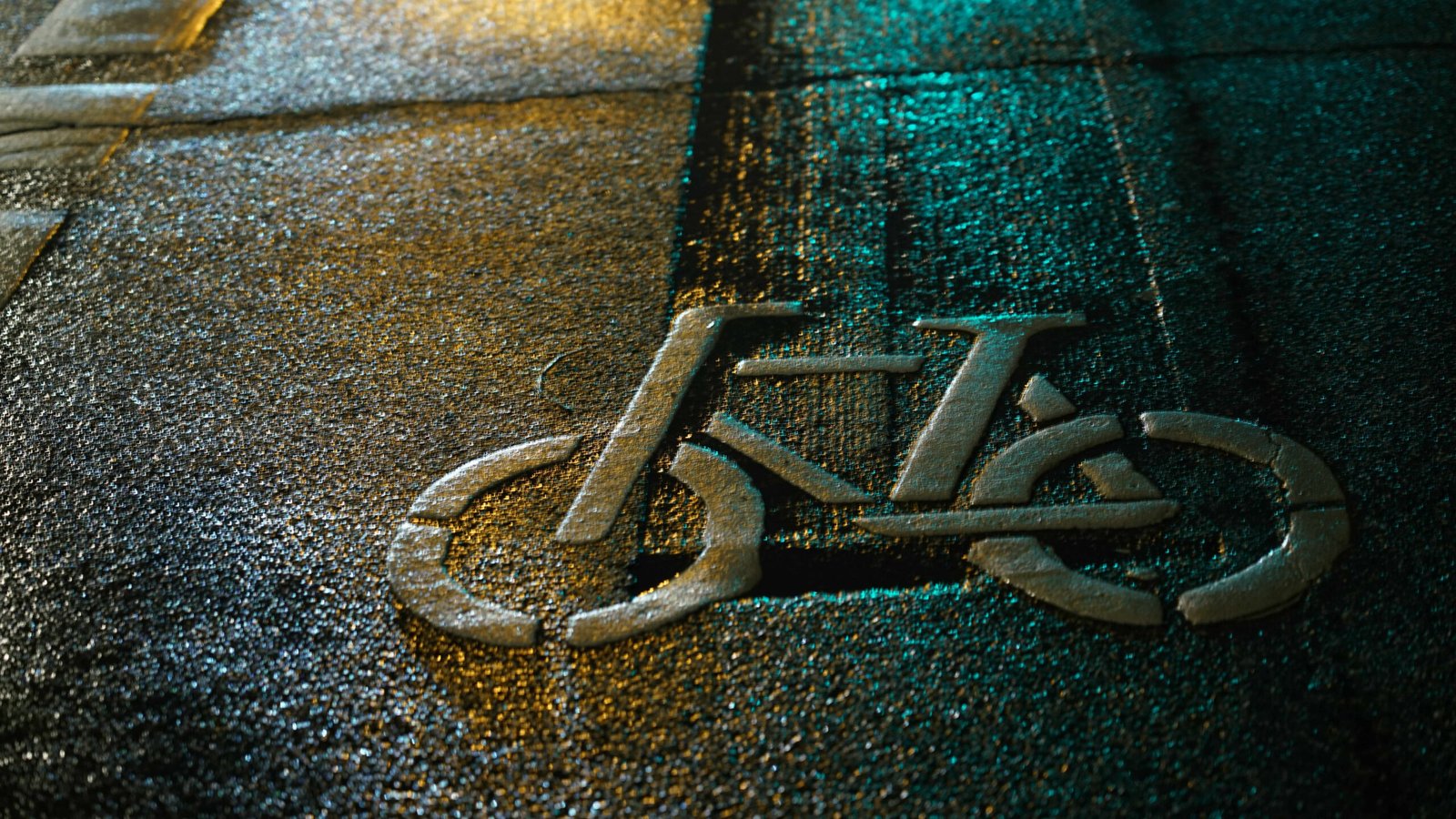
241001014660
B.ICONIC, YES I AM !
Inkjet print on fineart canvas.
ED. 1/1 140cm X 250cm
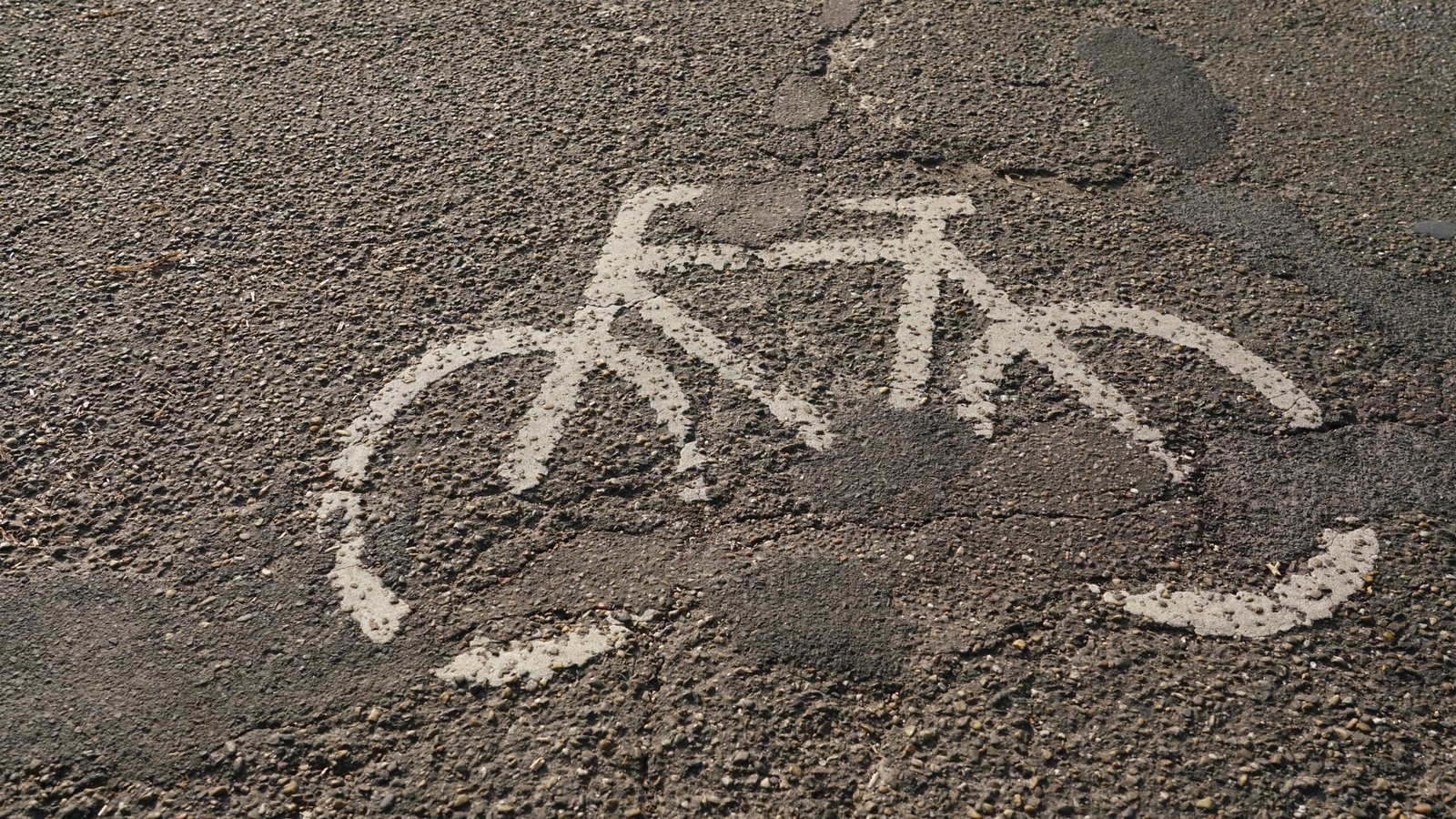
250301012680
B.ICONIC, YES I AM !
Inkjet print on fineart canvas.
ED. 1/1 140cm X 250cm
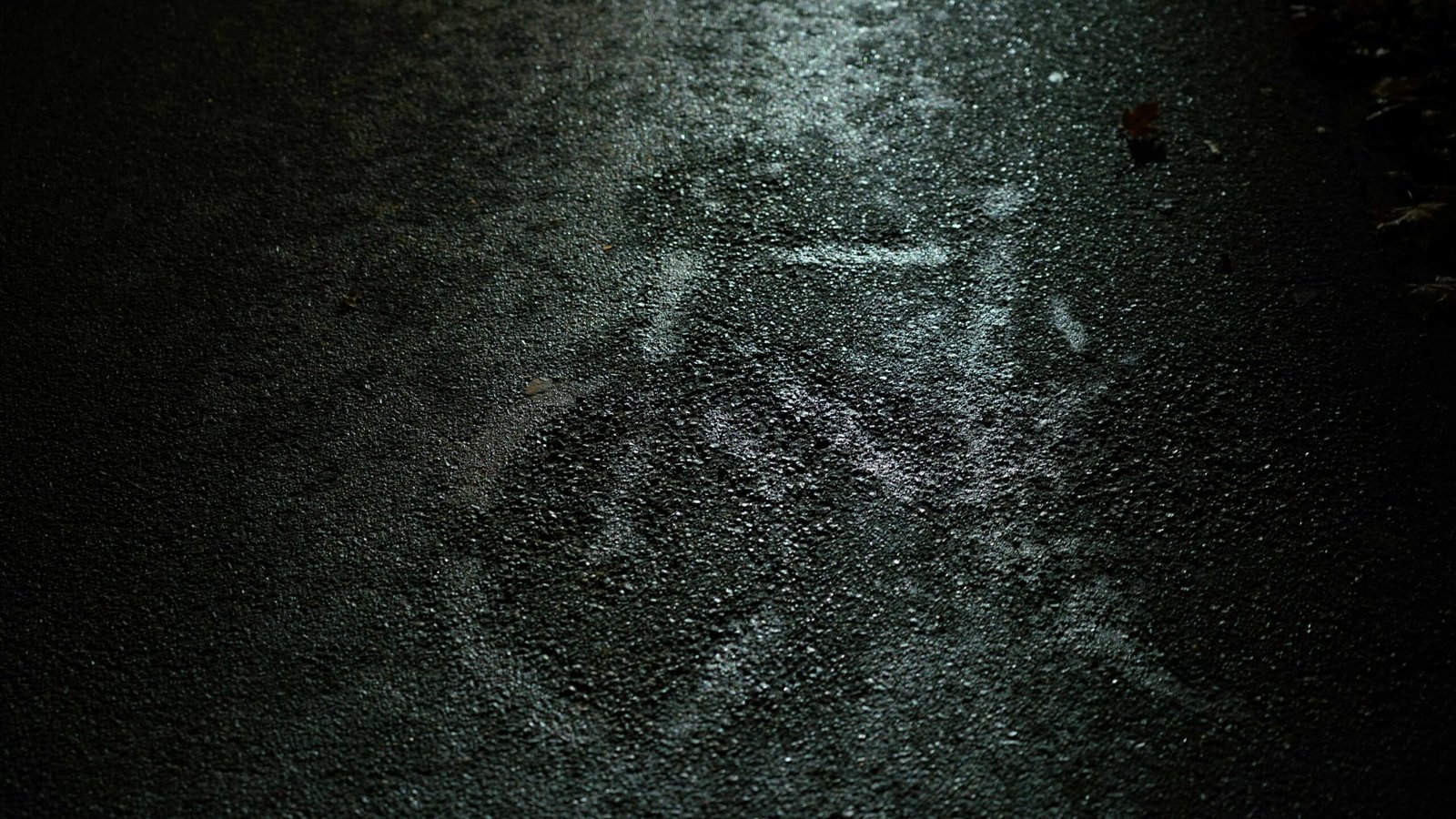
241001012448
B.ICONIC, YES I AM !
Inkjet print on fineart canvas.
ED. 1/1 140cm X 250cm
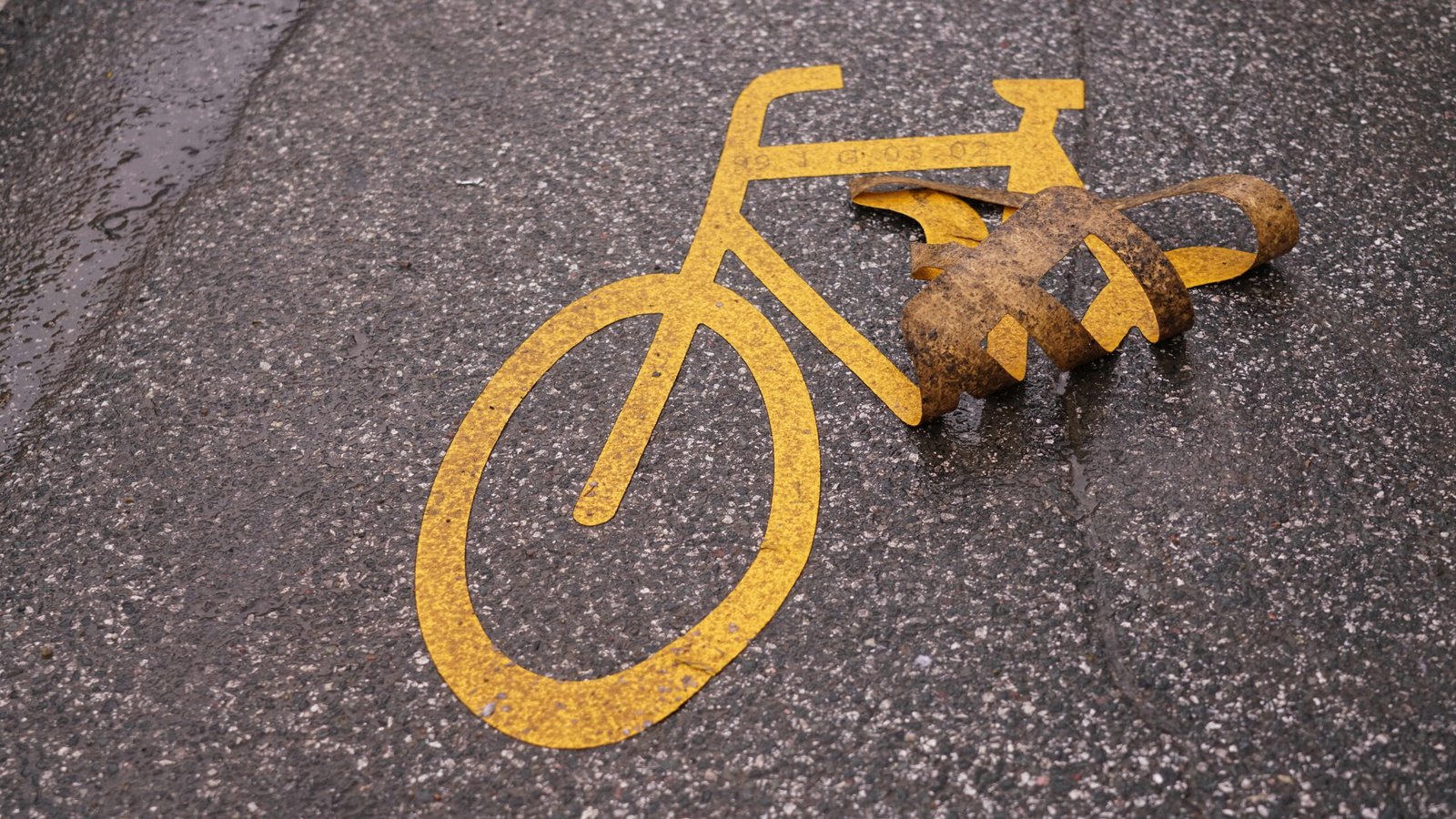
241001018158
B.ICONIC, YES I AM !
Inkjet print on fineart canvas.
ED. 1/1 140cm X 250cm
CYCLE 1
TESTIMONIALS
“Yes, I AM A BIKER!
YES! I can Identify myself in these bikes.
“Black Bikes Matter!” that is 100% me !”
A collector friend told me about these works, and I never thought before seeing myself that something so usual can become such entertaining fresh and meanigful art-show with one motive and such true variety.
Every single piece is truley unique – the title is justified: This is Iconic.
“Yo AH ! THAT’S THE REAL STREET ART! “
“If you’re aware of your own soul and see these works…
Is it really possible not to feel that the time is now —to stand up and protect what’s left of this planet’s wild living souls? When, if not now?”
So is it wrong to ask if : “You still got soul?”
Just put the uncanniness aside.
Each unique work in this show makes a vital contribution —
is a visual wake-up call: We are not far from this point, and
it is man-made!
We can go on, look away, or we can stand up to avoid that !
CYCLE-2 ANCHOR
CYCLE 2
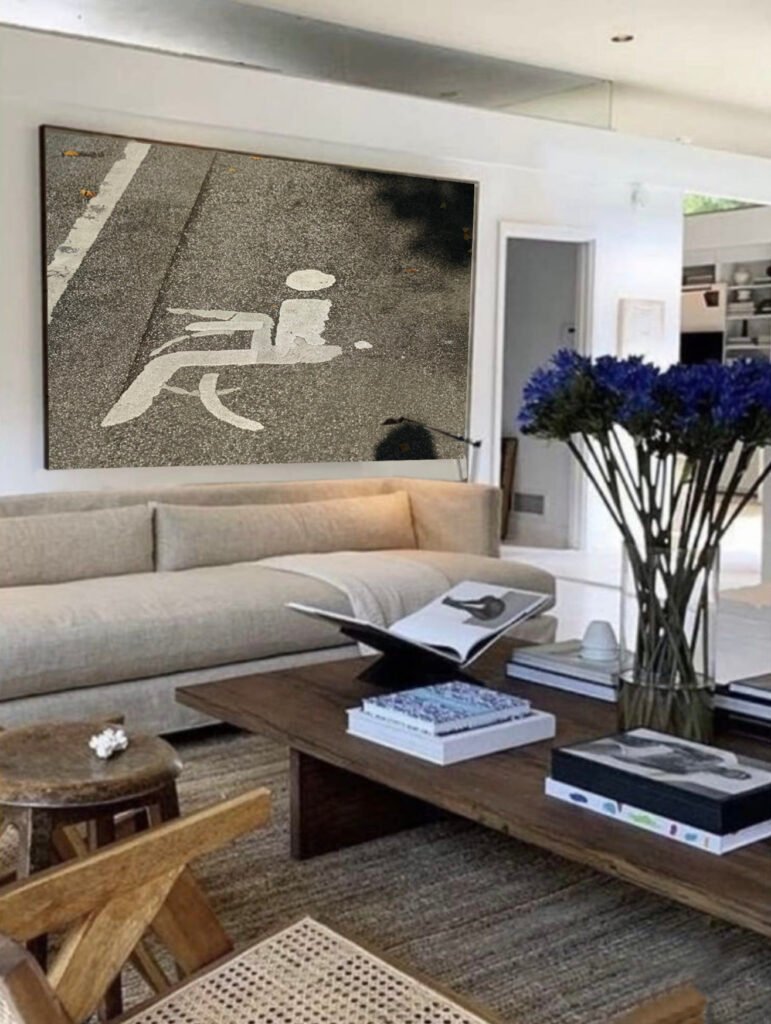
WHEEL CARE
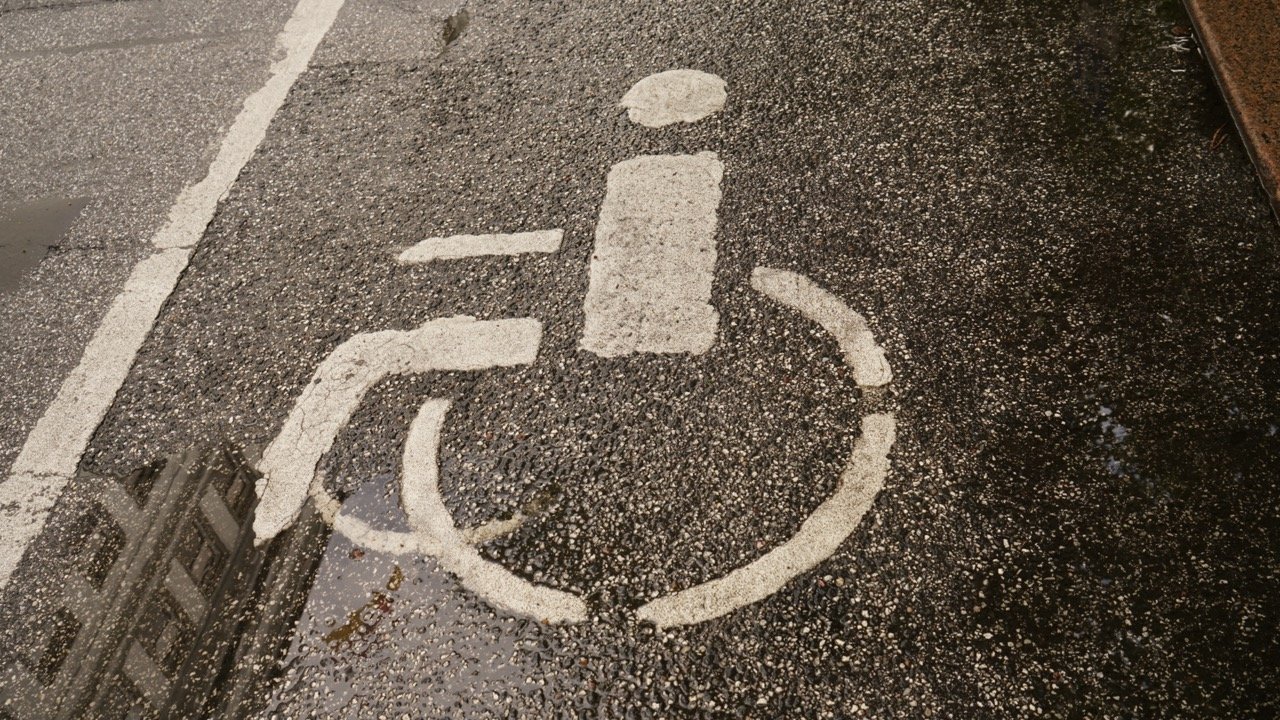
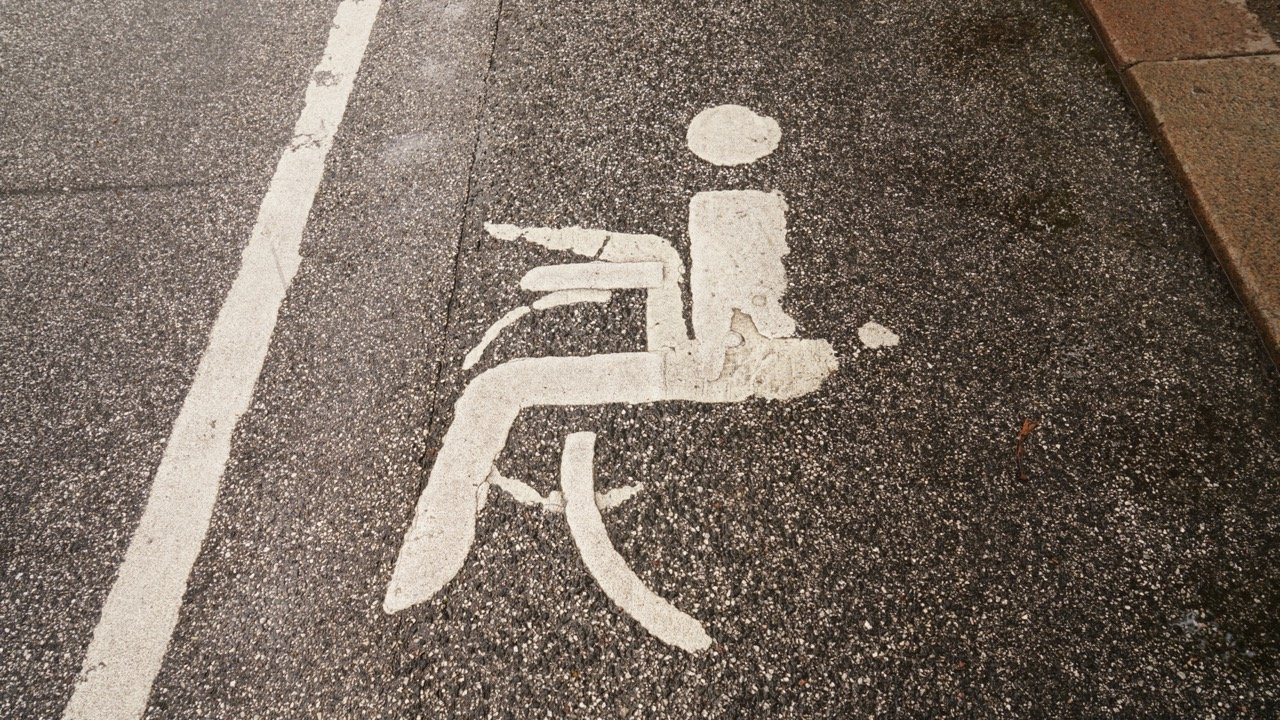
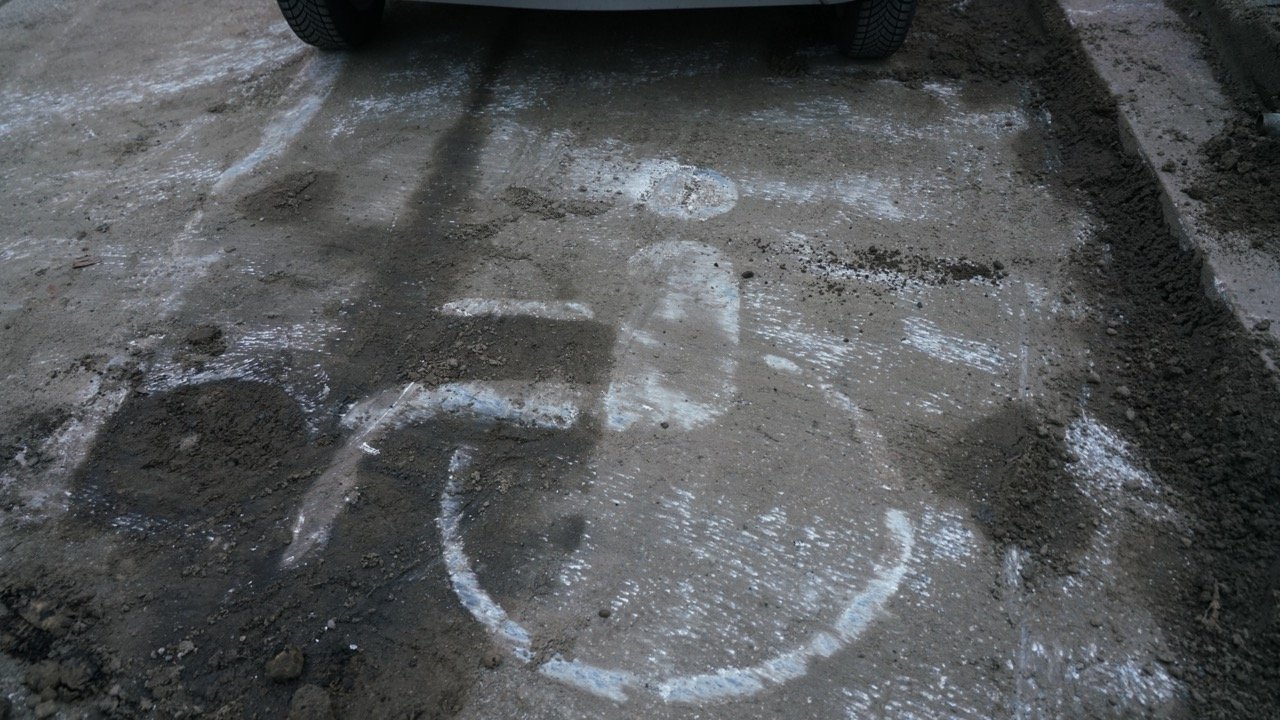
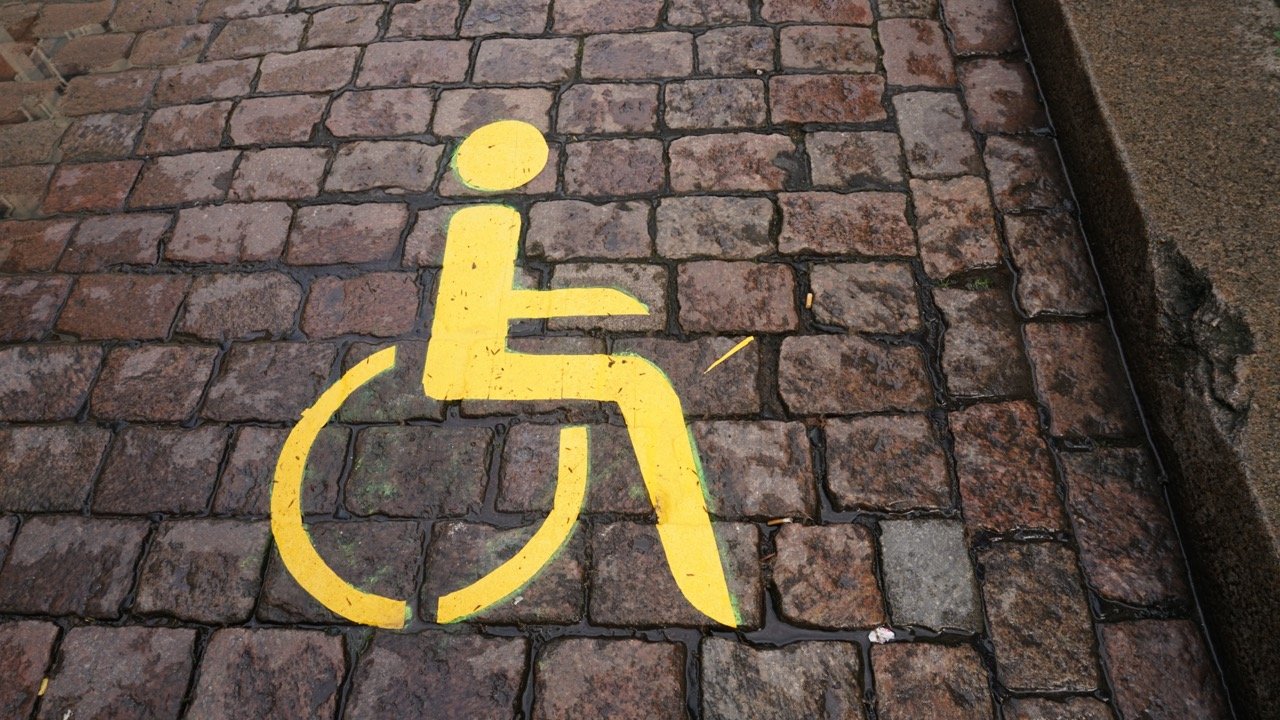
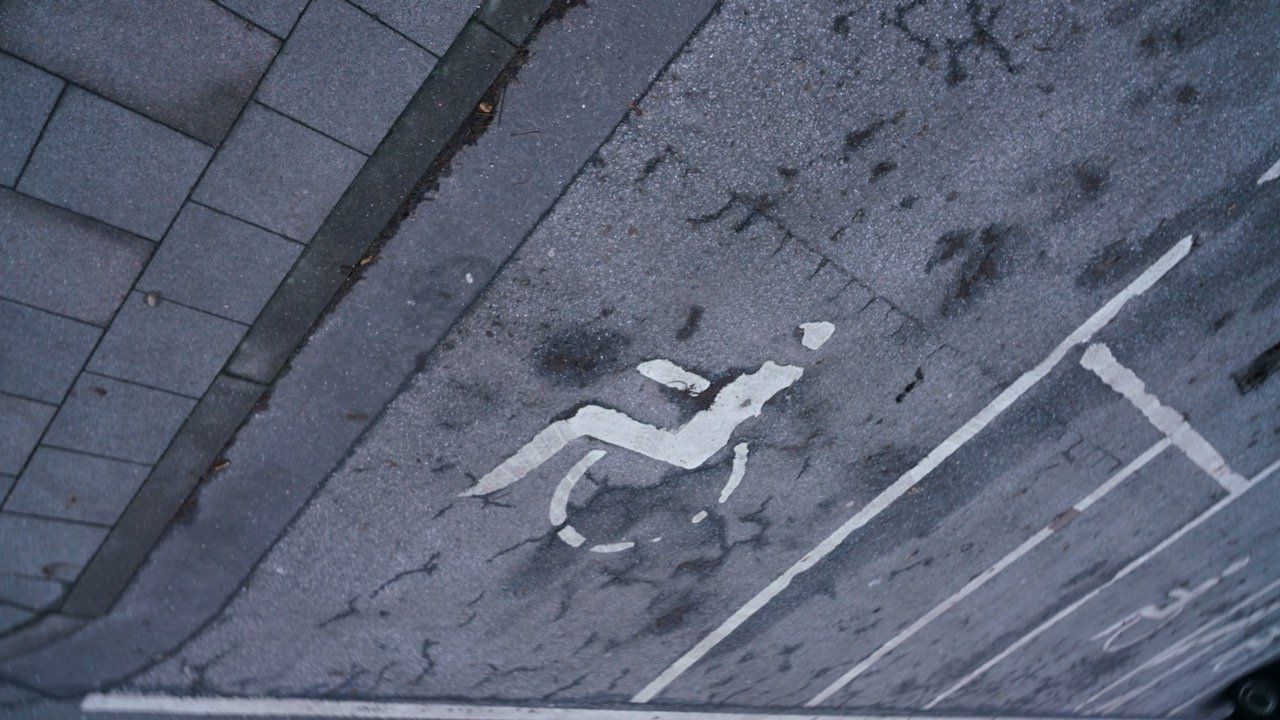
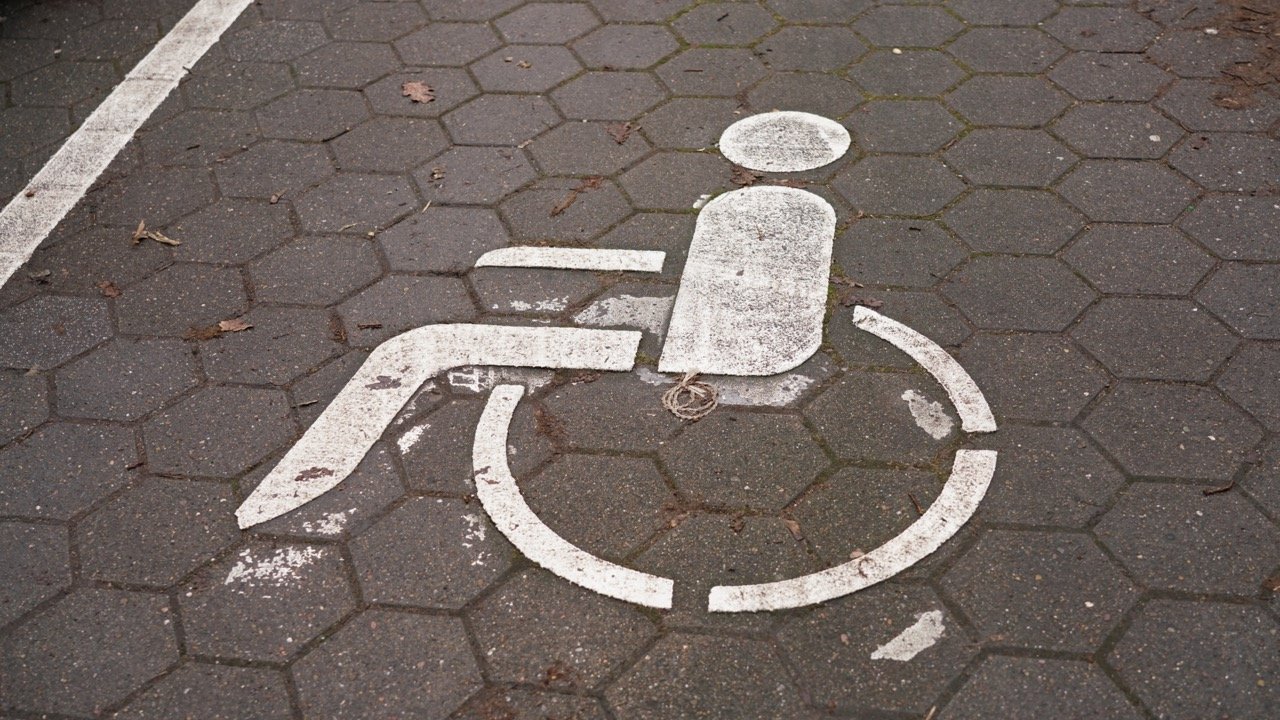
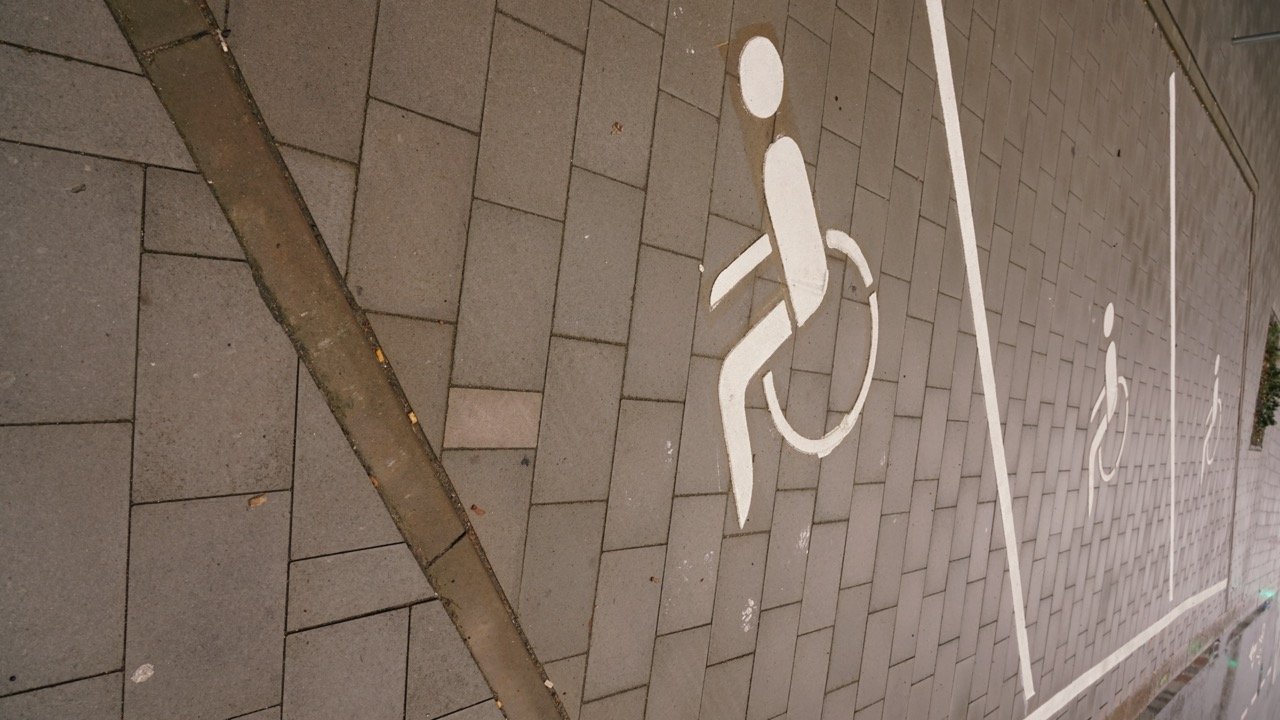
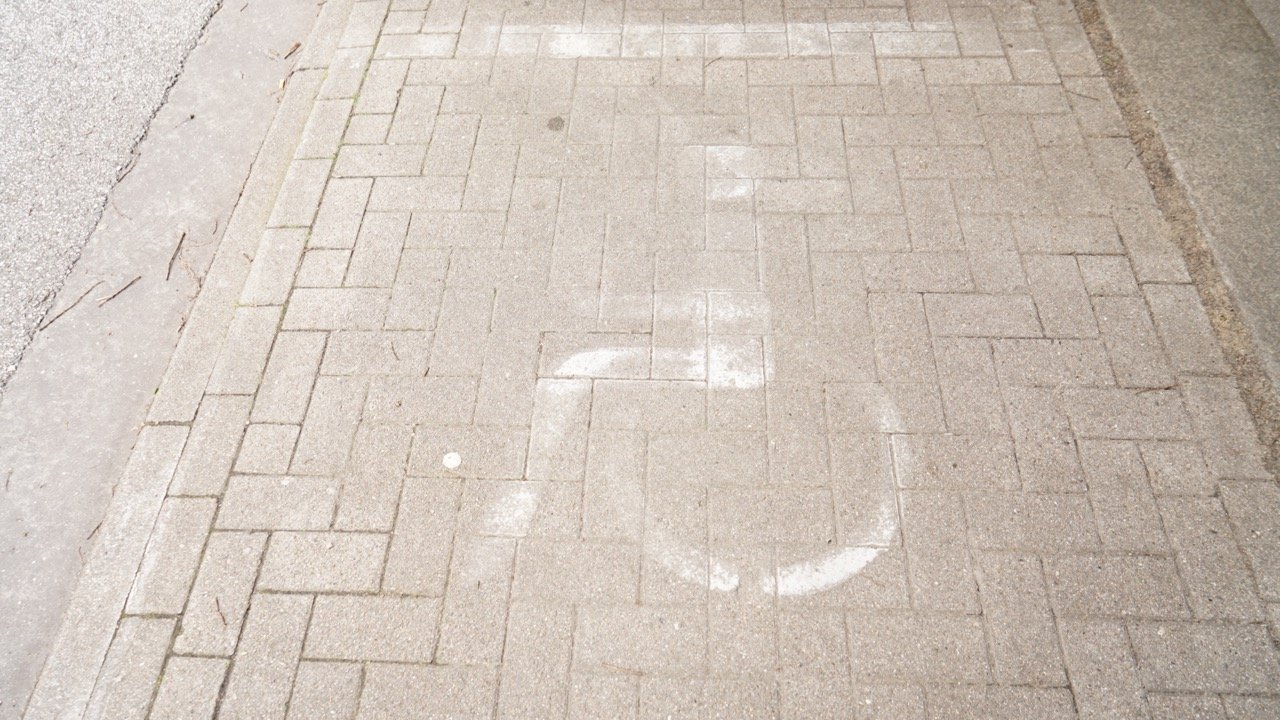
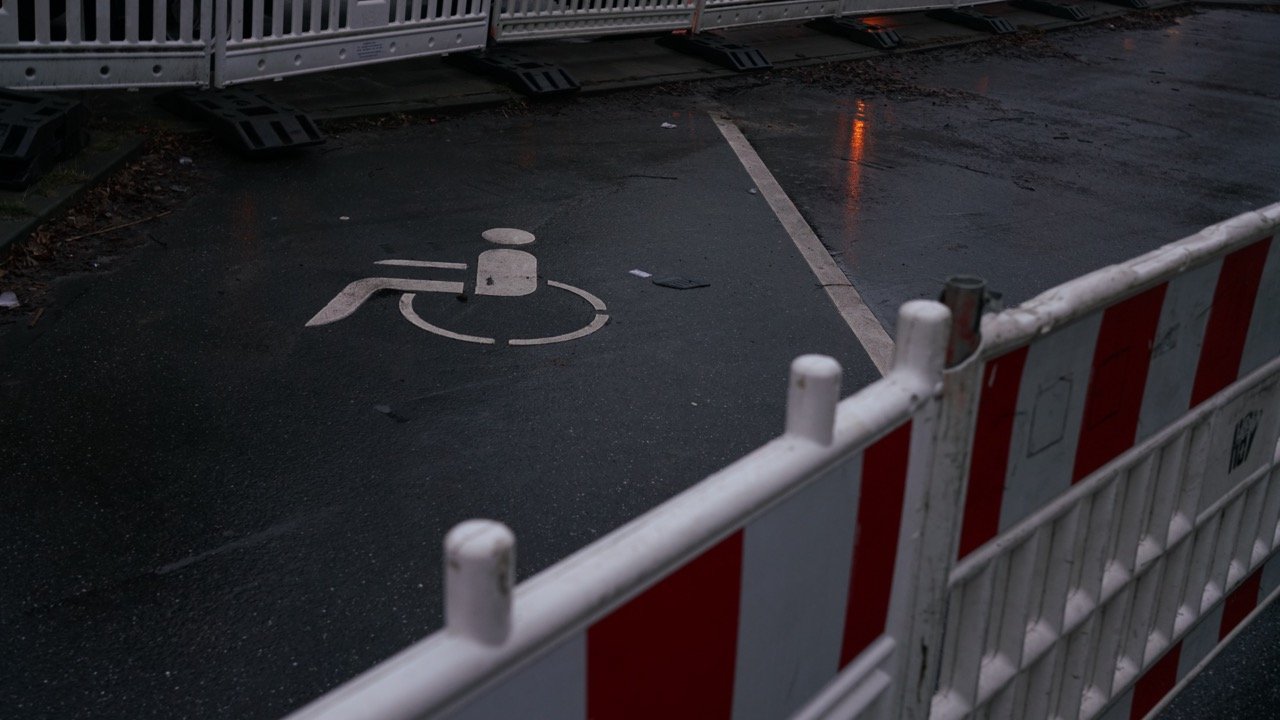
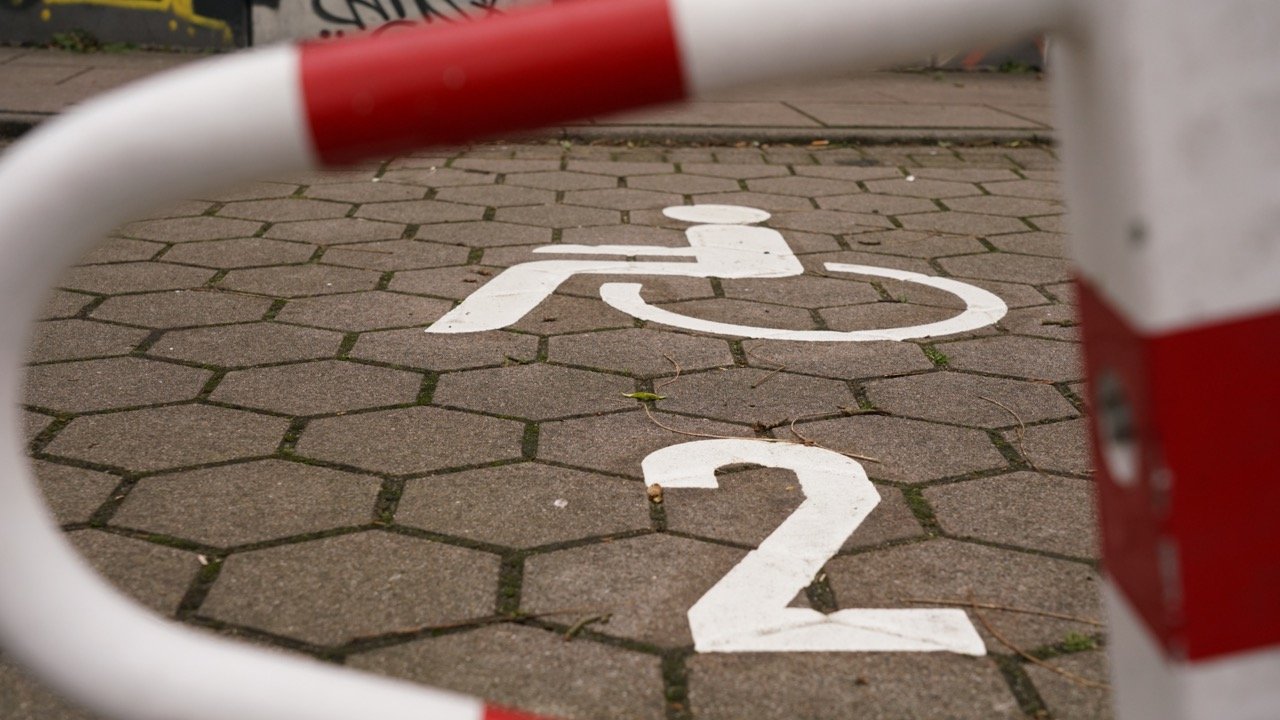
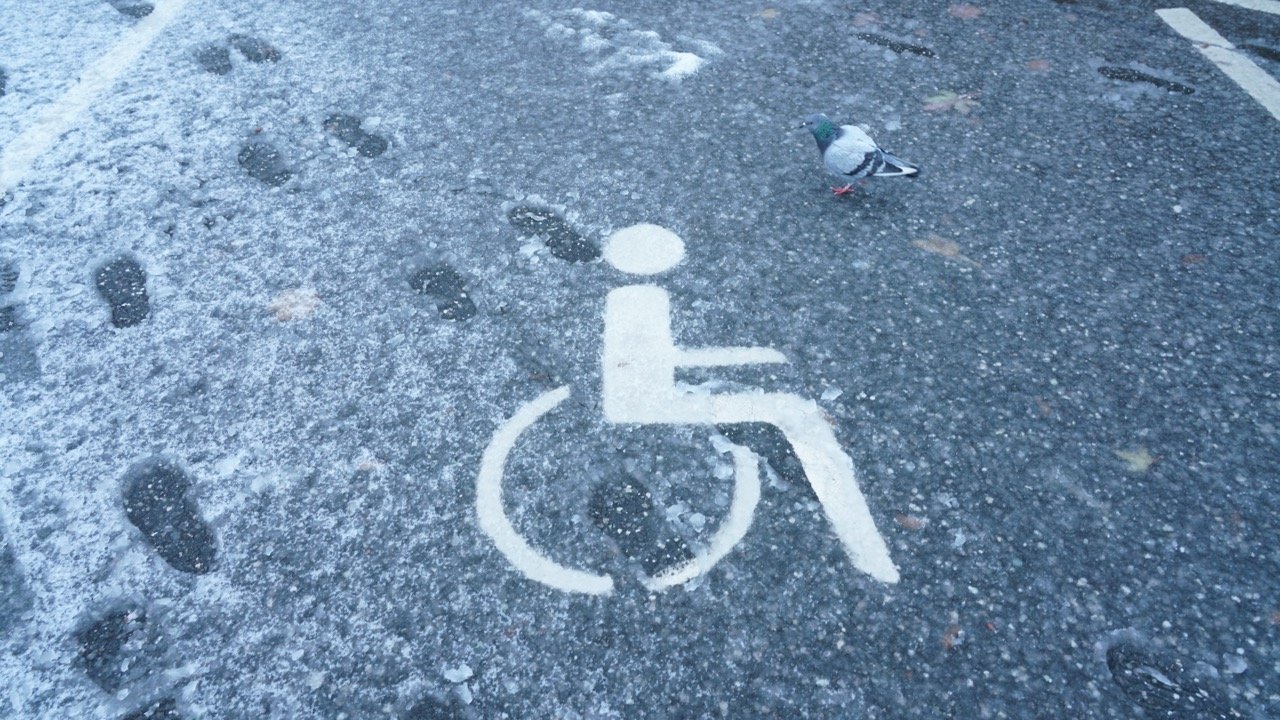
You’ve seen them before. Painted on pavement. A human figure in a wheelchair — sometimes crisp, sometimes fading. These signs are everywhere, and yet barely noticed. Until now.
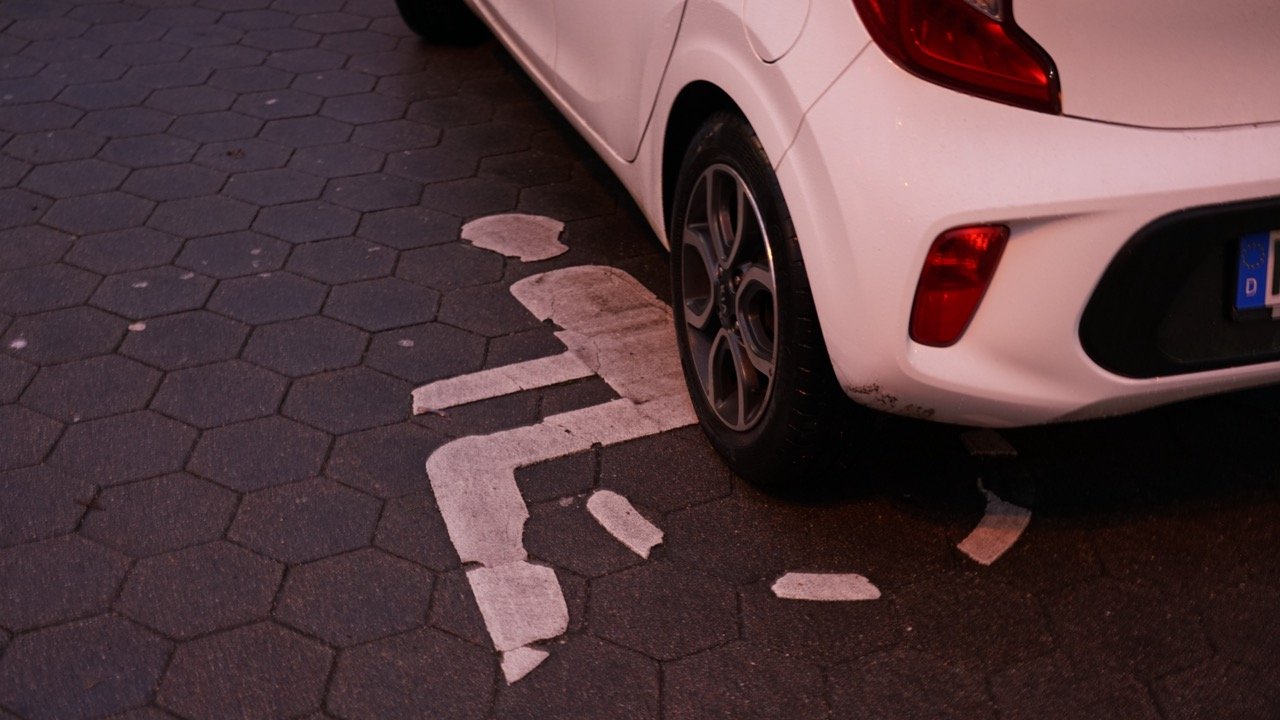
Blown up into large-format prints, they become something else. Traces of use, wear, repair — layered meaning. Their imperfections speak louder than any official handbook drawing ever could.
This work doesn’t clean them up. It celebrates them. The smudges, the broken lines, the rain-worn paint — all echo lived experience. What if dignity lives right there — in the imperfection? No?
These are not signs. These are portraits. Drawn not with ink or pencil, but with traffic paint, time, weather, asphalt, and neglect. The wheelchair icon, a global symbol of accessibility, becomes — in these photographs — a site of attention.
Enlarged. Elevated. Reframed.
Each image begins with a real parking spot. Not staged. Not retouched. Just found — worn, cracked, awkward, accidental.
Some are barely legible.
Others have been painted over, misaligned, or slowly erased by time. Yet in their damage, they speak.They become witnesses to presence. And to absence. This body of work asks: How do we mark space forthose society often overlooks?
What does the condition of these signs say about care, visibility, and respect? These aren’t just technical oversights — they reflect something deeper.
The transfer from pavement to print shifts our perspective. Once utilitarian, the image becomes contemplative. A kind of quiet activism. An invitation to reconsider how we define access, inclusion, and beauty itself.
For a viewer who is disabled — or lives close to disability — these works can also be reclaimed. Not as critique, but as pride.
To hang one on the wall is to say:
Yes, I am handicapped. So what?
This is me. This is my space.
This is worth seeing.
The prints, available in high-resolution, large-scale editions, intentionally preserve every crack and stain. Because perfection was never the point. These aren’t clean graphics. They’re declarations — of movement, presence, and persistence.
In their silence, these signs still speak.
About design. About neglect. About beauty.
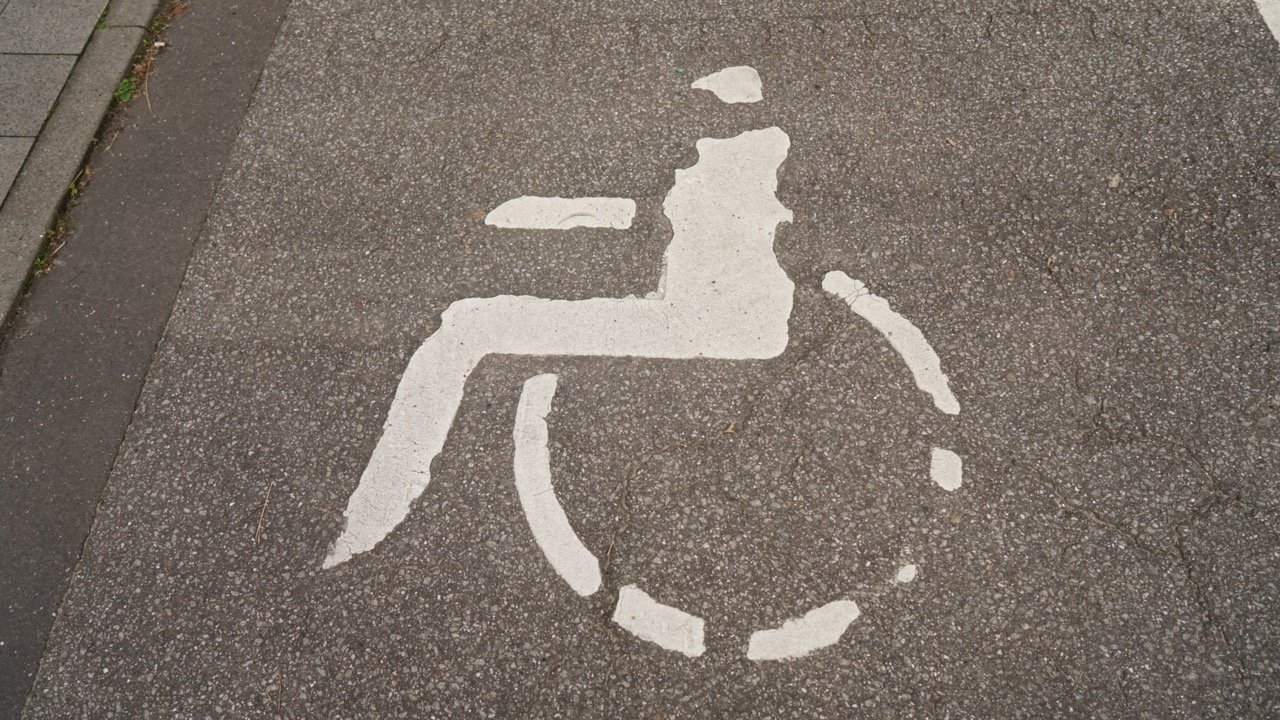
240804018287
Wheel Care
2024
Inkjet print on fineart canvas.
ED. 1/1 140cm X 250cm
240803018984
Wheel Care
2024
Inkjet print on fineart canvas.
ED. 1/1 140cm X 250cm
240803018975
Wheel Care
2024
Inkjet print on fineart canvas.
ED. 1/1 140cm X 250cm
250201016725
Wheel Care
2024
Inkjet print on fineart canvas.
ED. 1/1 140cm X 250cm
240803018821
Wheel Care
2024
Inkjet print on fineart canvas.
ED. 1/1 140cm X 250cm
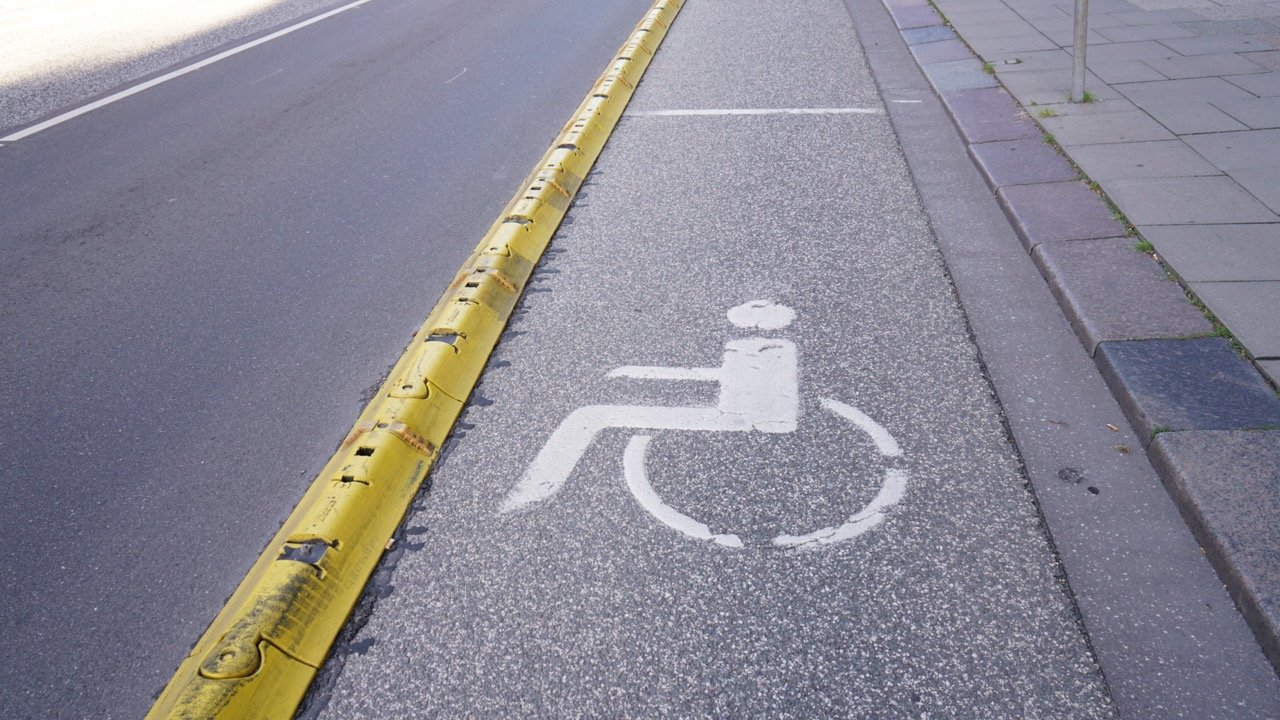
240803017150
Wheel Care
2024
Inkjet print on fineart canvas.
ED. 1/1 140cm X 250cm
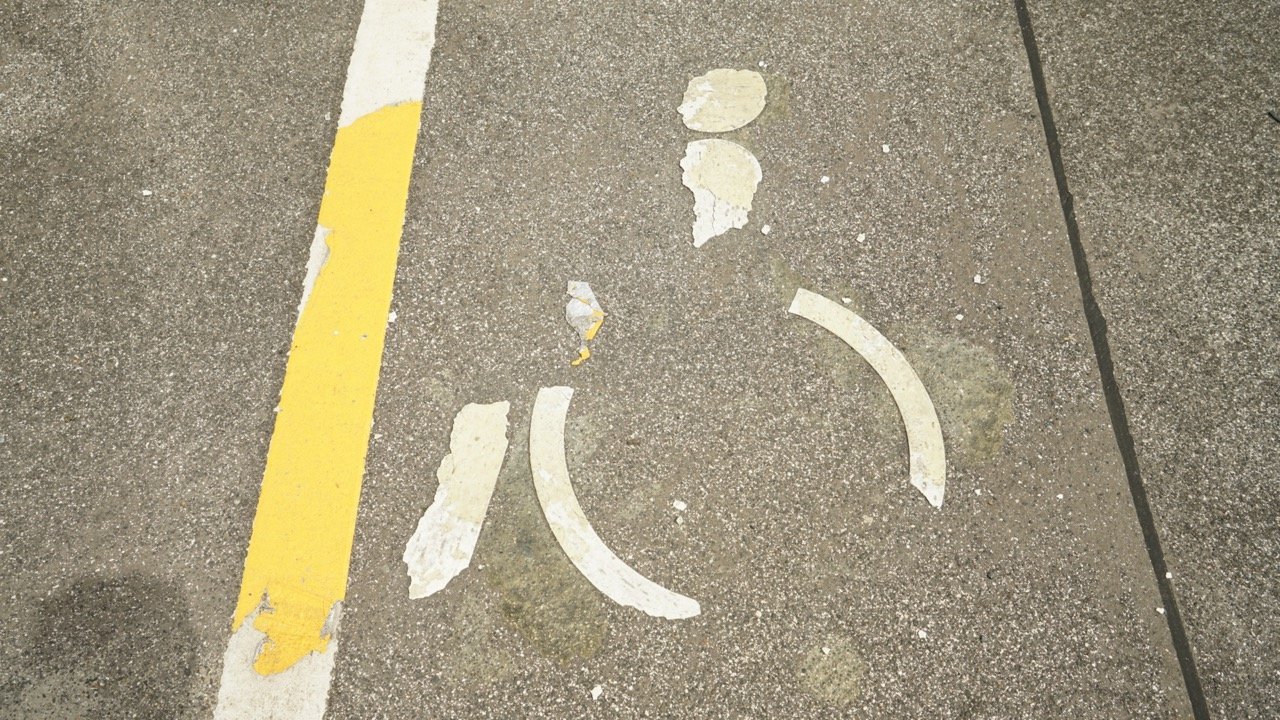
240805015418
Wheel Care
2024
Inkjet print on fineart canvas.
ED. 1/1 140cm X 250cm
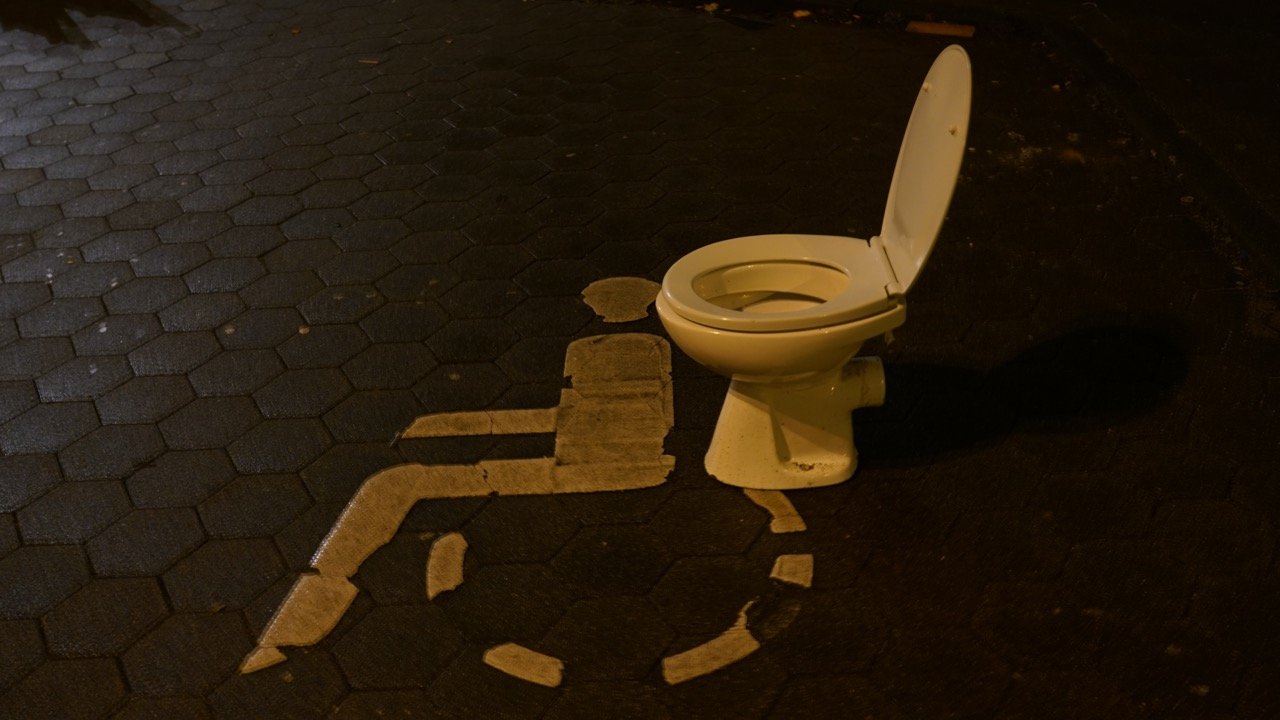
241201017362
Wheel Care
2024
Inkjet print on fineart canvas.
ED. 1/1 140cm X 250cm
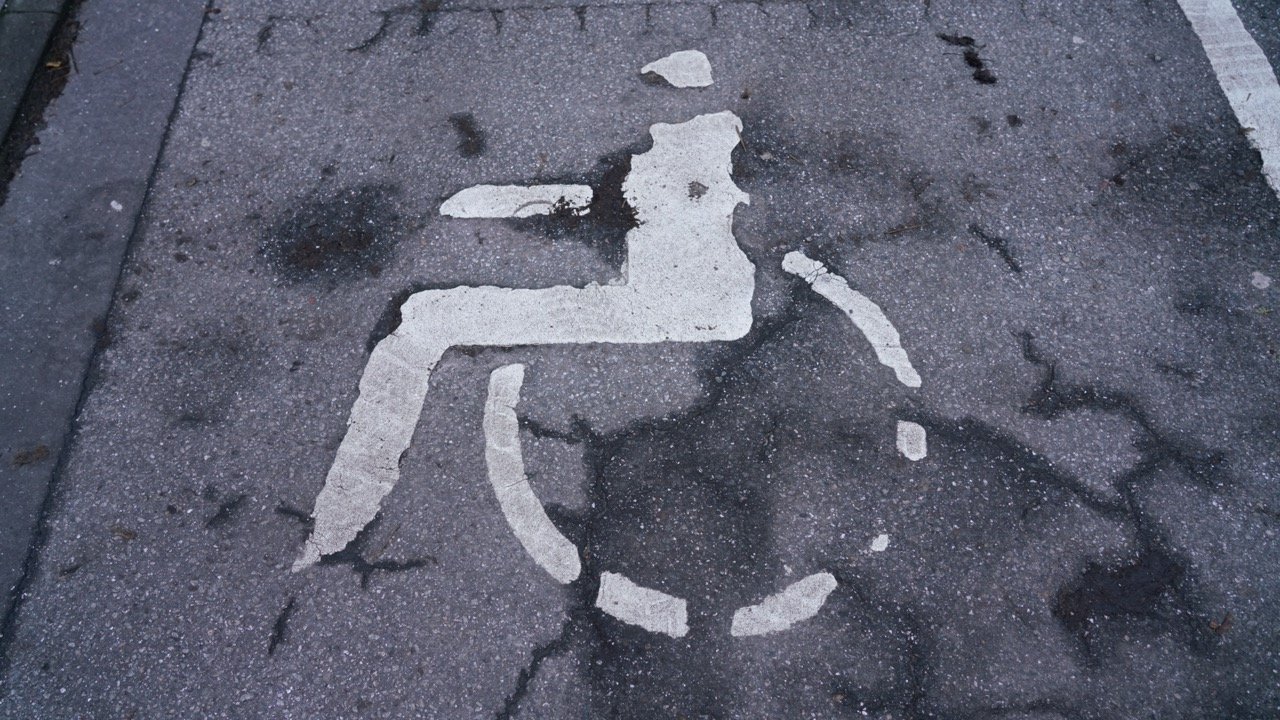
241201017528
Wheel Care
2024
Inkjet print on fineart canvas.
ED. 1/1 140cm X 250cm
241201017573
Wheel Care
2024
Inkjet print on fineart canvas.
ED. 1/1 140cm X 250cm
241201017401
Wheel Care
2024
Inkjet print on fineart canvas.
ED. 1/1 140cm X 250cm
241201016906
Wheel Care
2024
Inkjet print on fineart canvas.
ED. 1/1 140cm X 250cm
240804018292
Wheel Care
2024
Inkjet print on fineart canvas.
ED. 1/1 140cm X 250cm
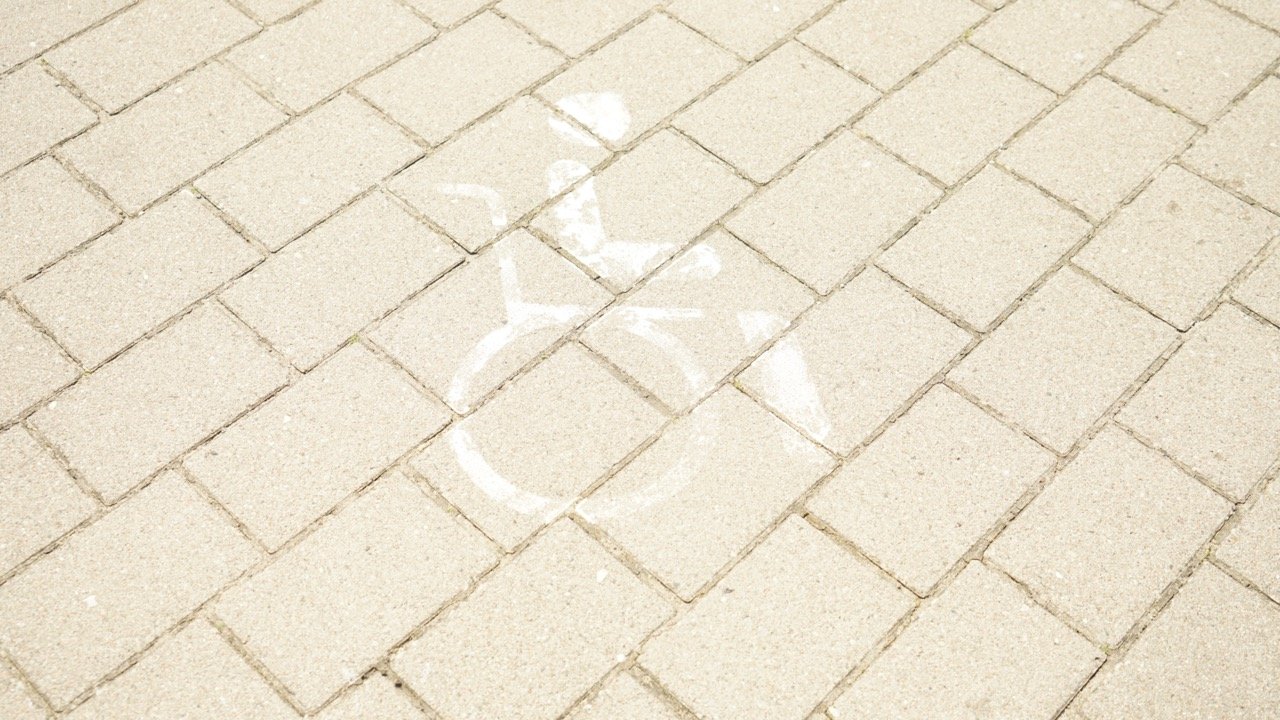
240805010414
Wheel Care
2024
Inkjet print on fineart canvas.
ED. 1/1 140cm X 250cm
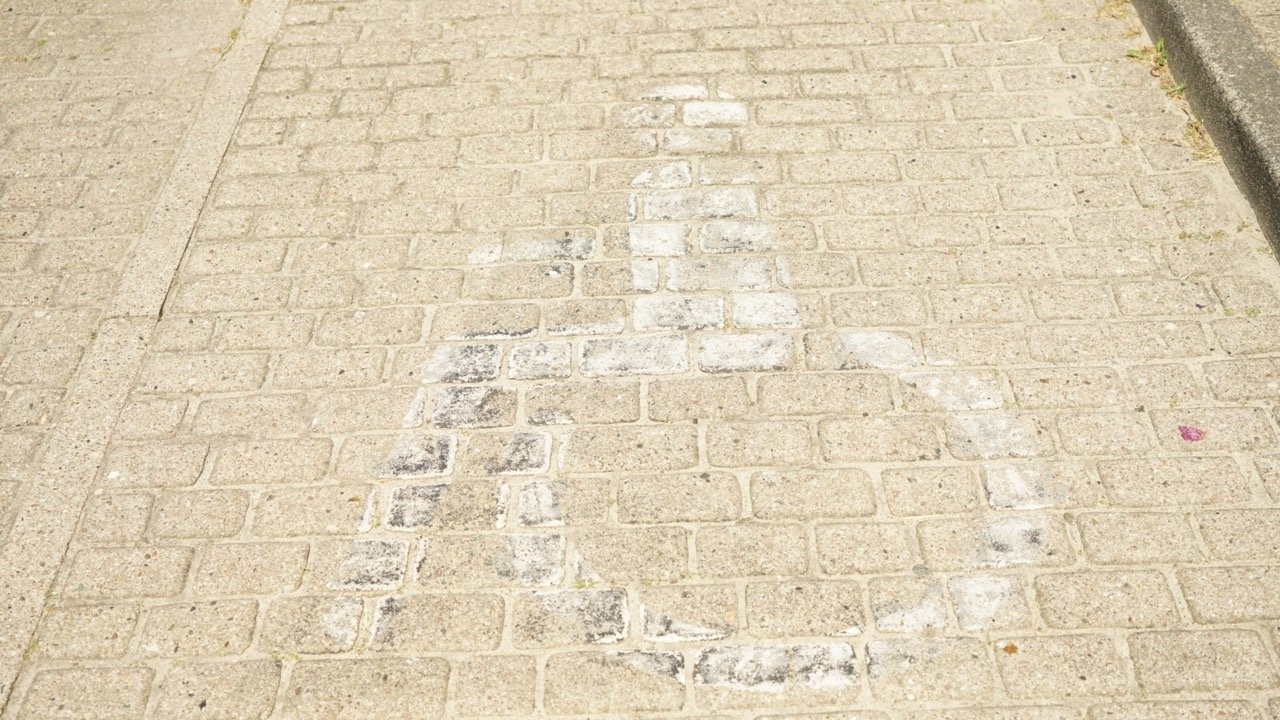
240805010416
Wheel Care
2024
Inkjet print on fineart canvas.
ED. 1/1 140cm X 250cm
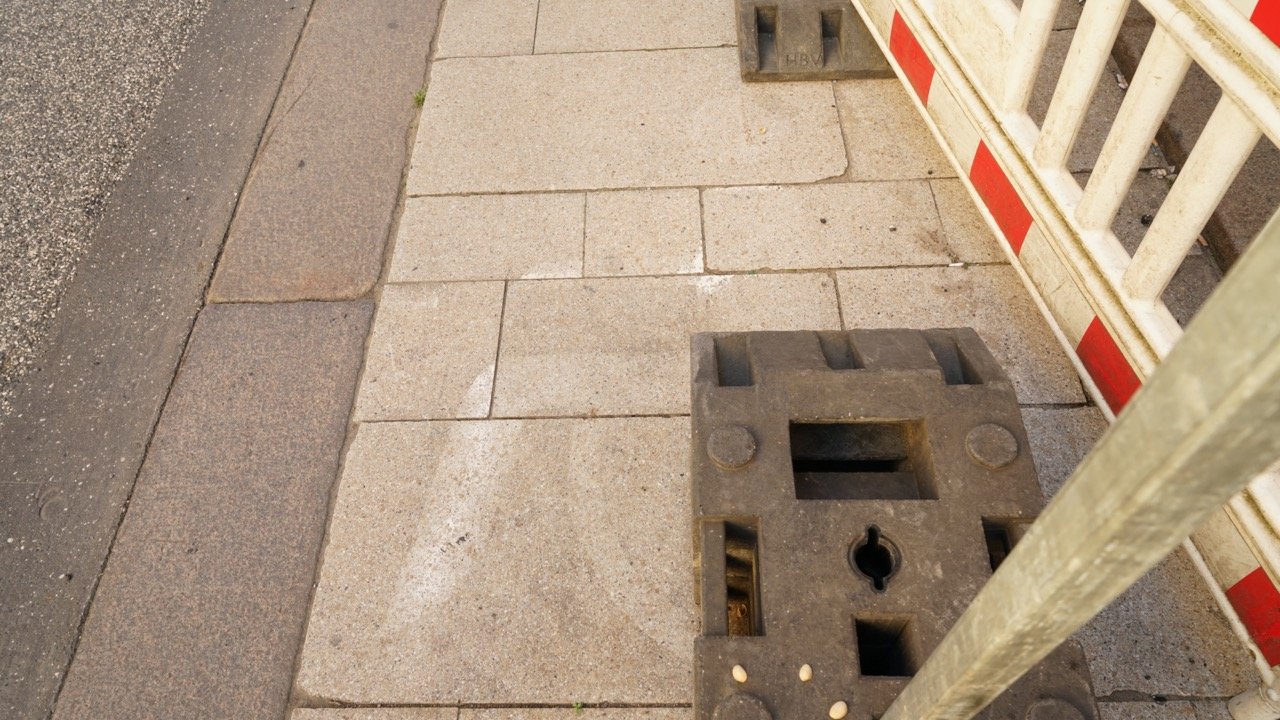
240901015044
Wheel Care
2024
Inkjet print on fineart canvas.
ED. 1/1 140cm X 250cm
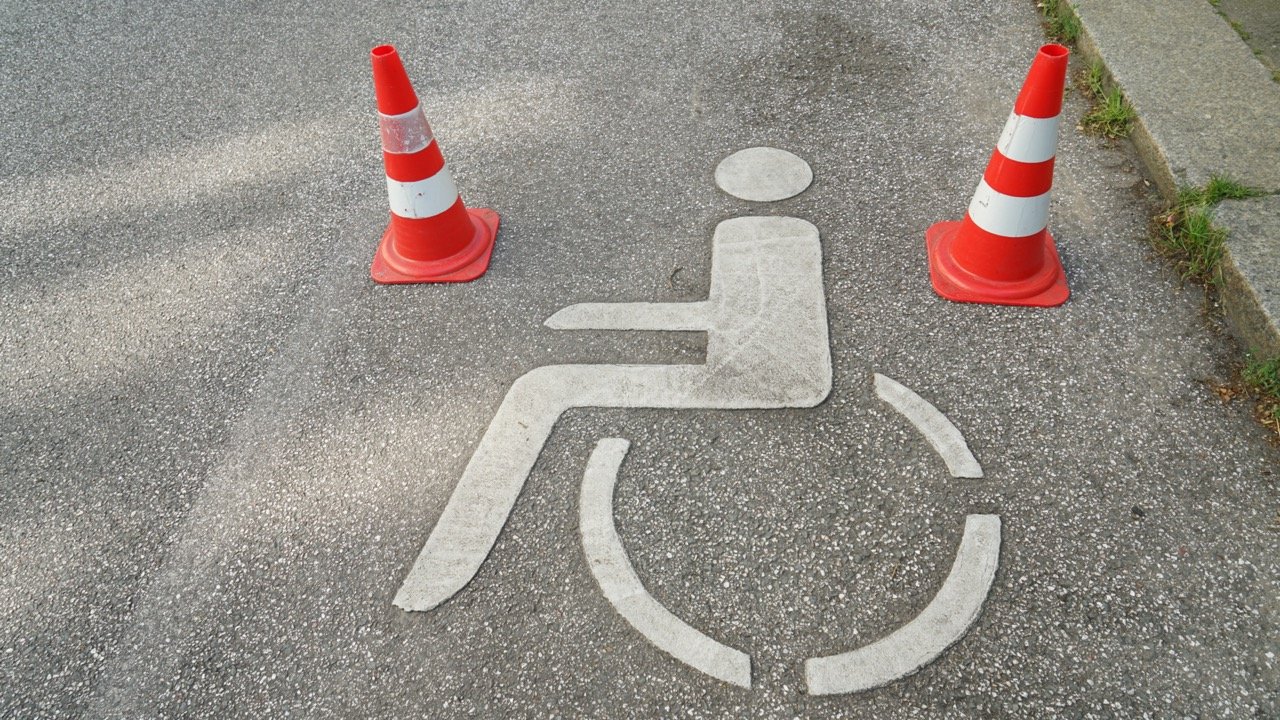
240804016838
Wheel Care
2024
Inkjet print on fineart canvas.
ED. 1/1 140cm X 250cm
241201017151
Wheel Care
2024
Inkjet print on fineart canvas.
ED. 1/1 140cm X 250cm
250201010760
Wheel Care
2024
Inkjet print on fineart canvas.
ED. 1/1 140cm X 250cm
241201017187
Wheel Care
2024
Inkjet print on fineart canvas.
ED. 1/1 140cm X 250cm
241001015643
Wheel Care
2024
Inkjet print on fineart canvas.
ED. 1/1 140cm X 250cm
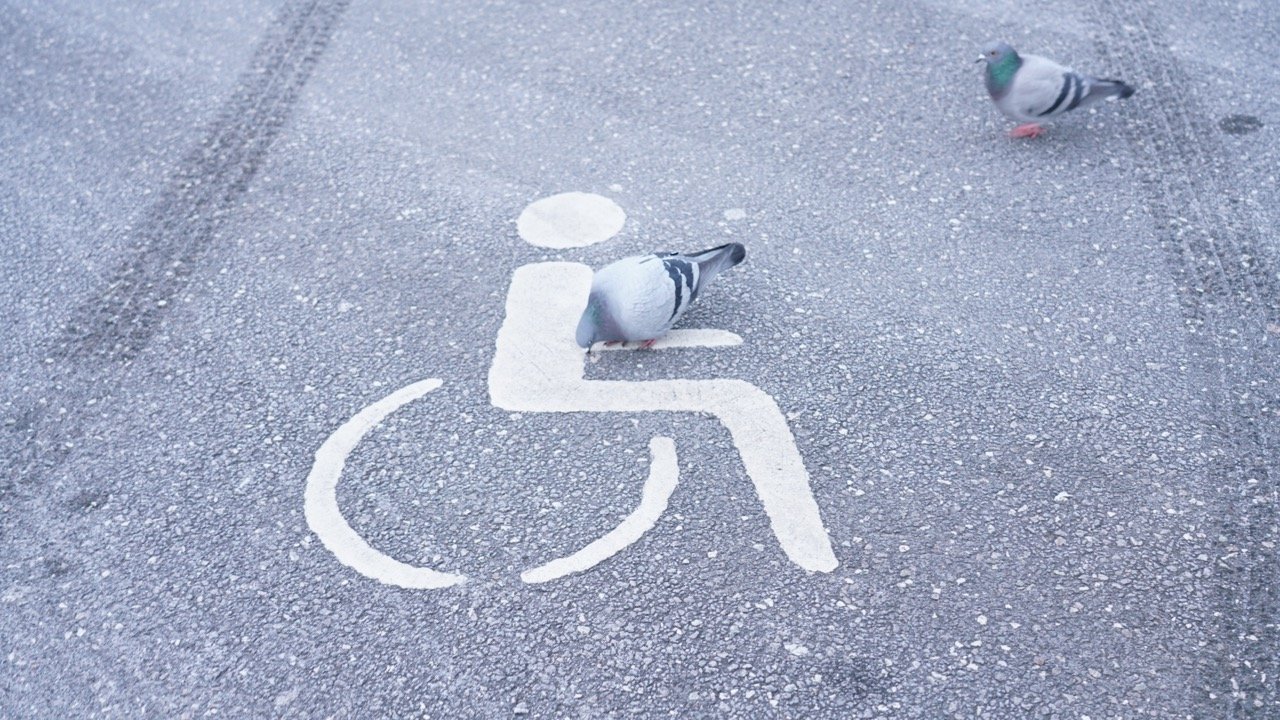
241201016221
Wheel Care
2024
Inkjet print on fineart canvas.
ED. 1/1 140cm X 250cm
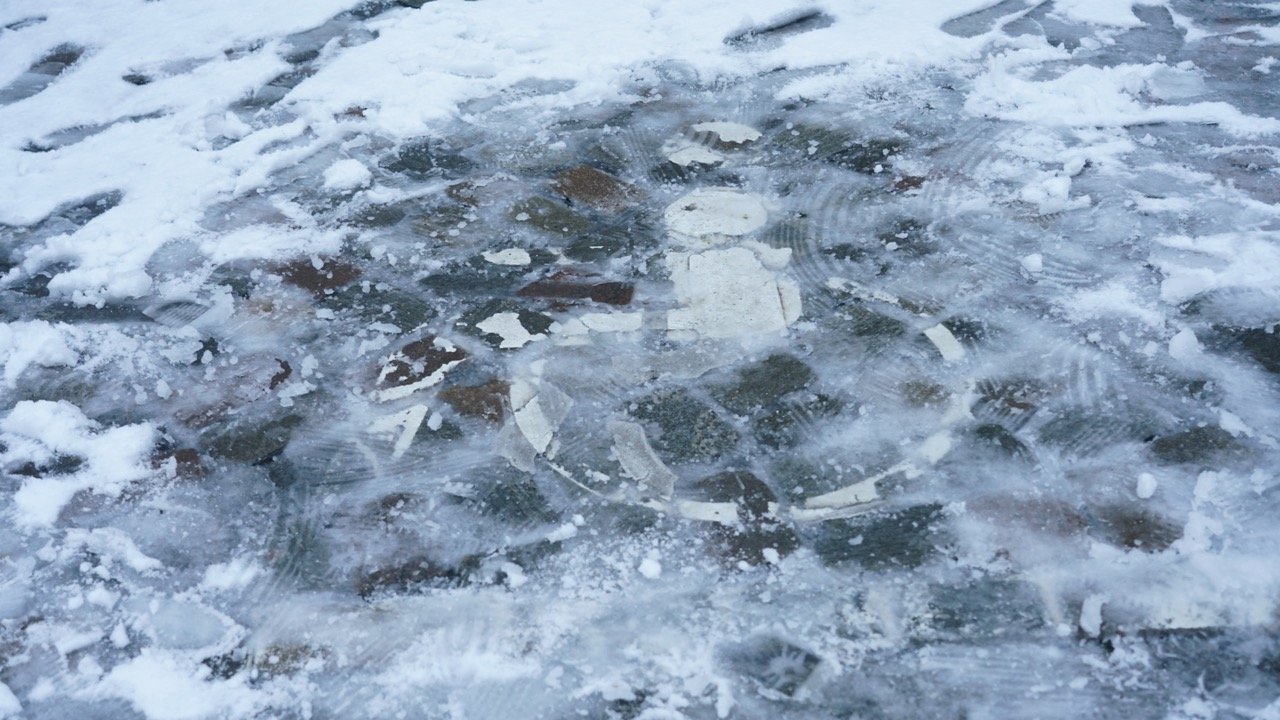
241201013536
Wheel Care
2024
Inkjet print on fineart canvas.
ED. 1/1 140cm X 250cm
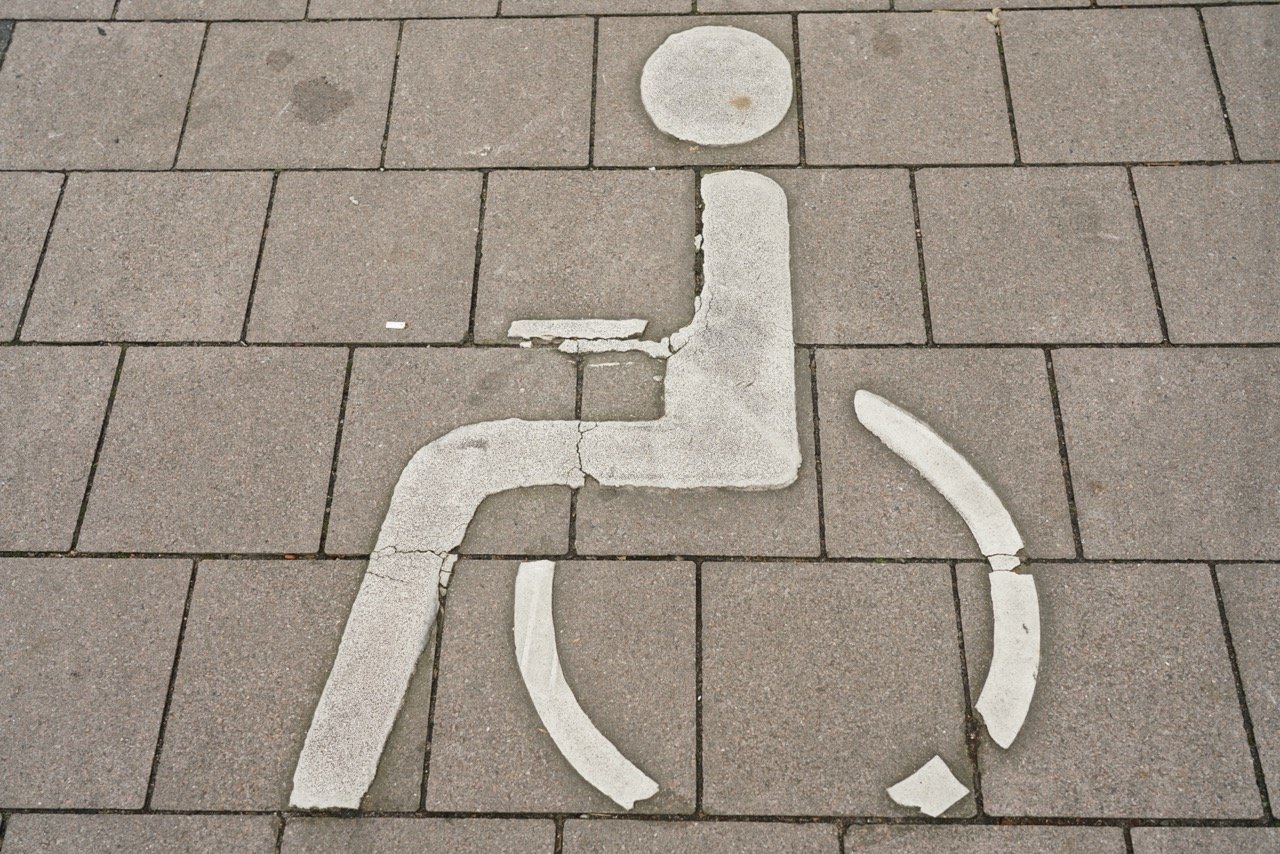
240902015738
Wheel Care
2024
Inkjet print on fineart canvas.
ED. 1/1 140cm X 250cm
240902016673
Wheel Care
2024
Inkjet print on fineart canvas.
ED. 1/1 140cm X 250cm
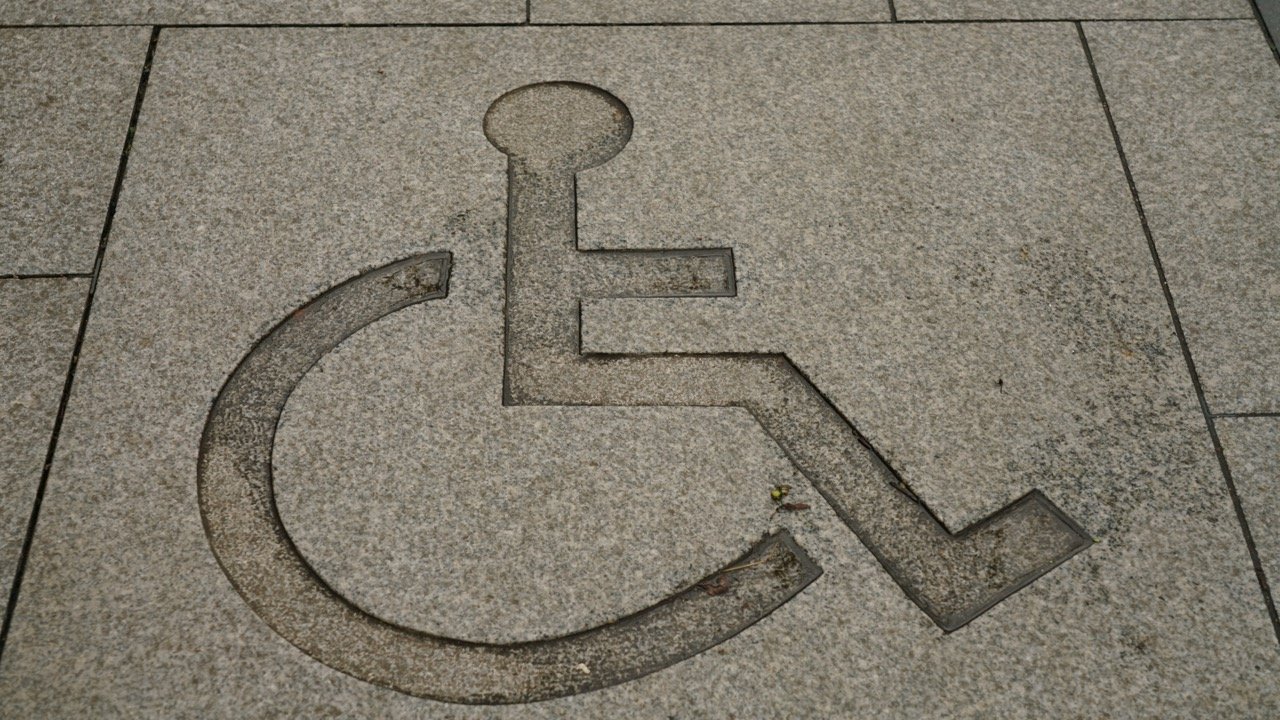
241201012031
Wheel Care
2024
Inkjet print on fineart canvas.
ED. 1/1 140cm X 250cm
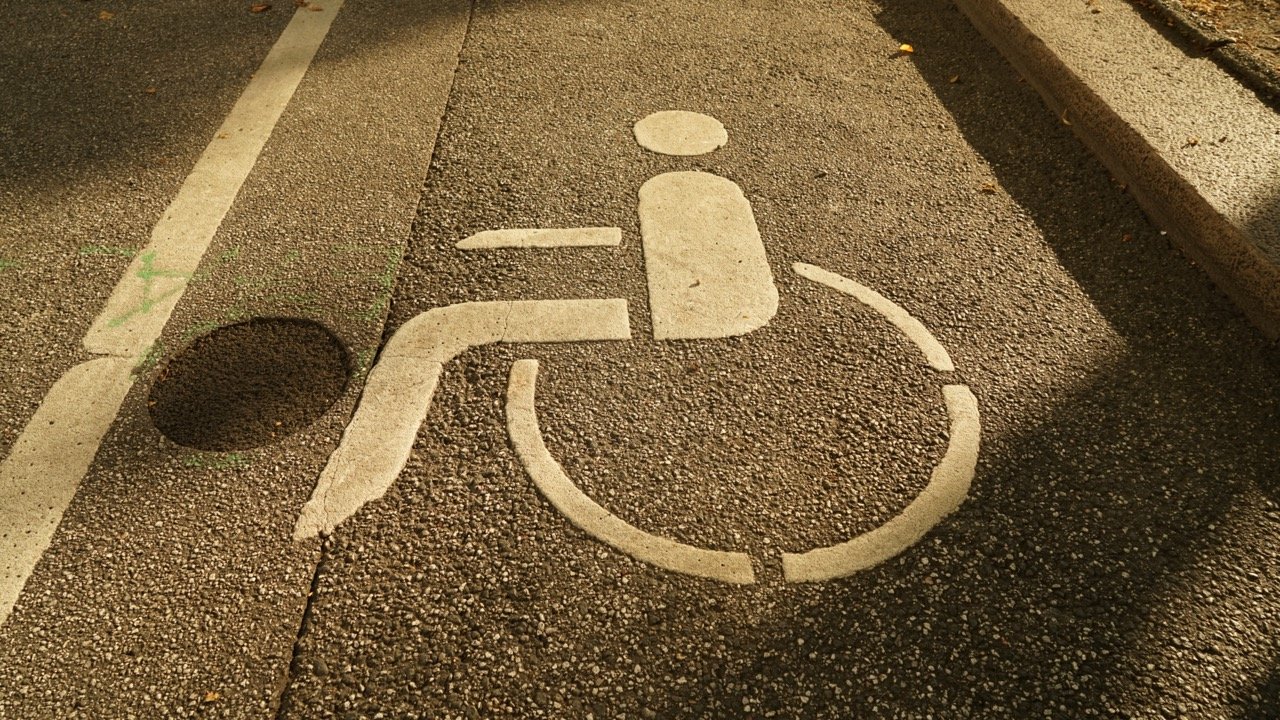
240901015099
Wheel Care
2024
Inkjet print on fineart canvas.
ED. 1/1 140cm X 250cm
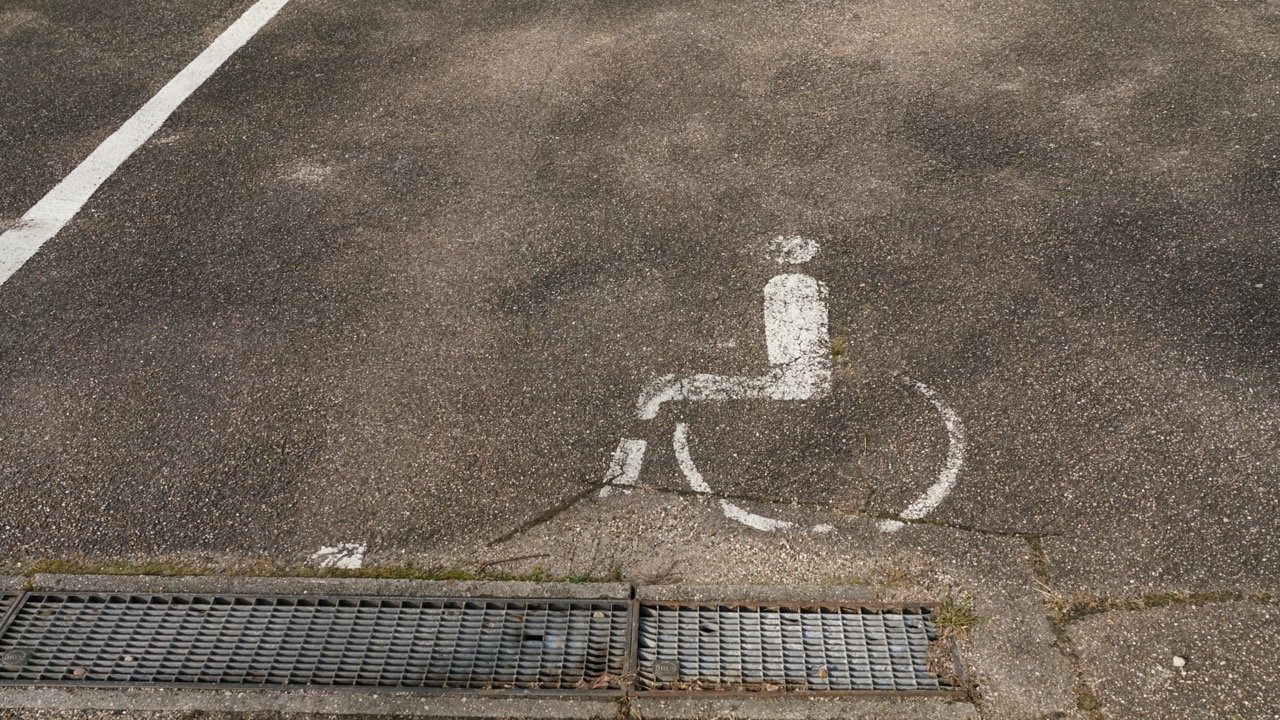
250301012693
Wheel Care
2024
Inkjet print on fineart canvas.
ED. 1/1 140cm X 250cm
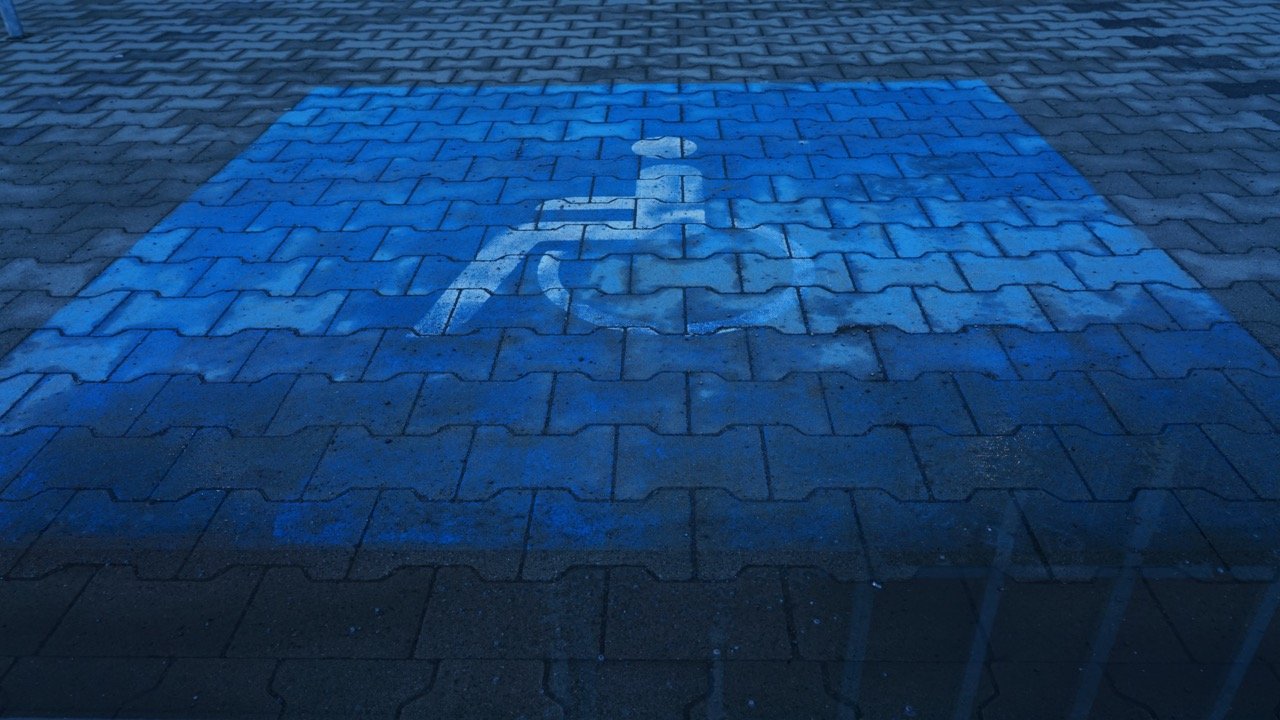
250301014055
Wheel Care
2024
Inkjet print on fineart canvas.
ED. 1/1 140cm X 250cm
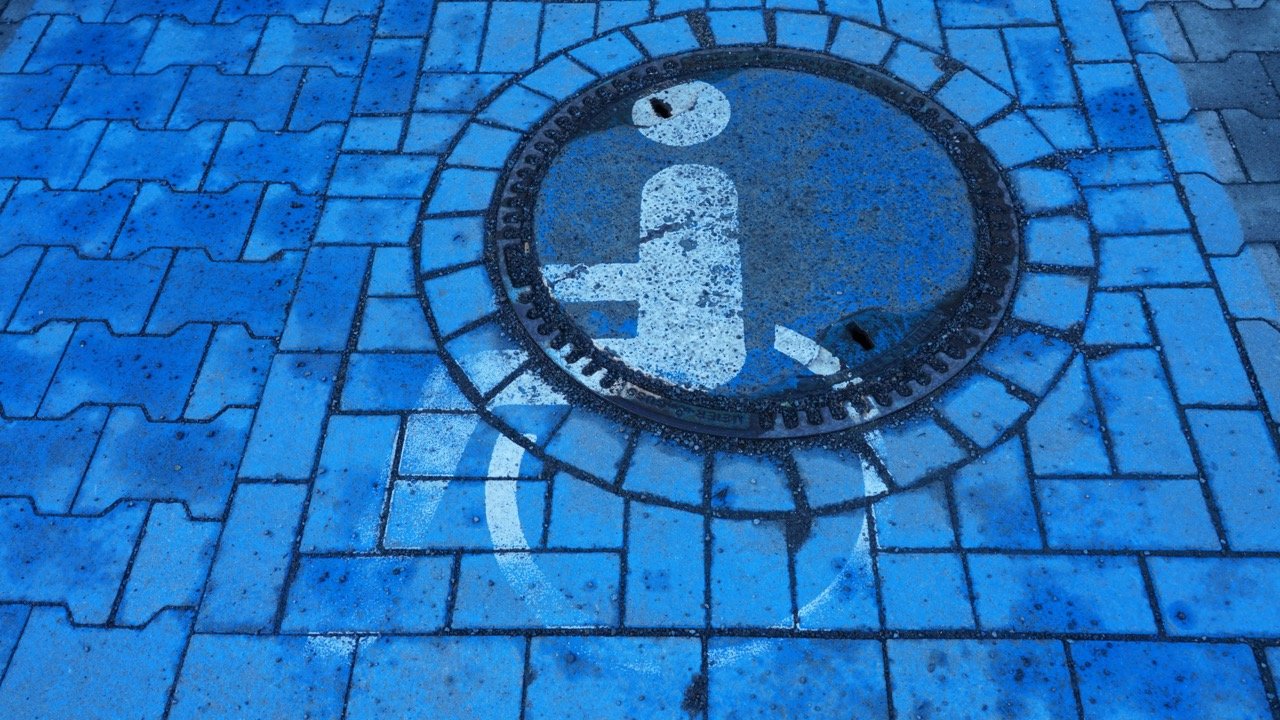
250301014032
Wheel Care
2024
Inkjet print on fineart canvas.
ED. 1/1 140cm X 250cm
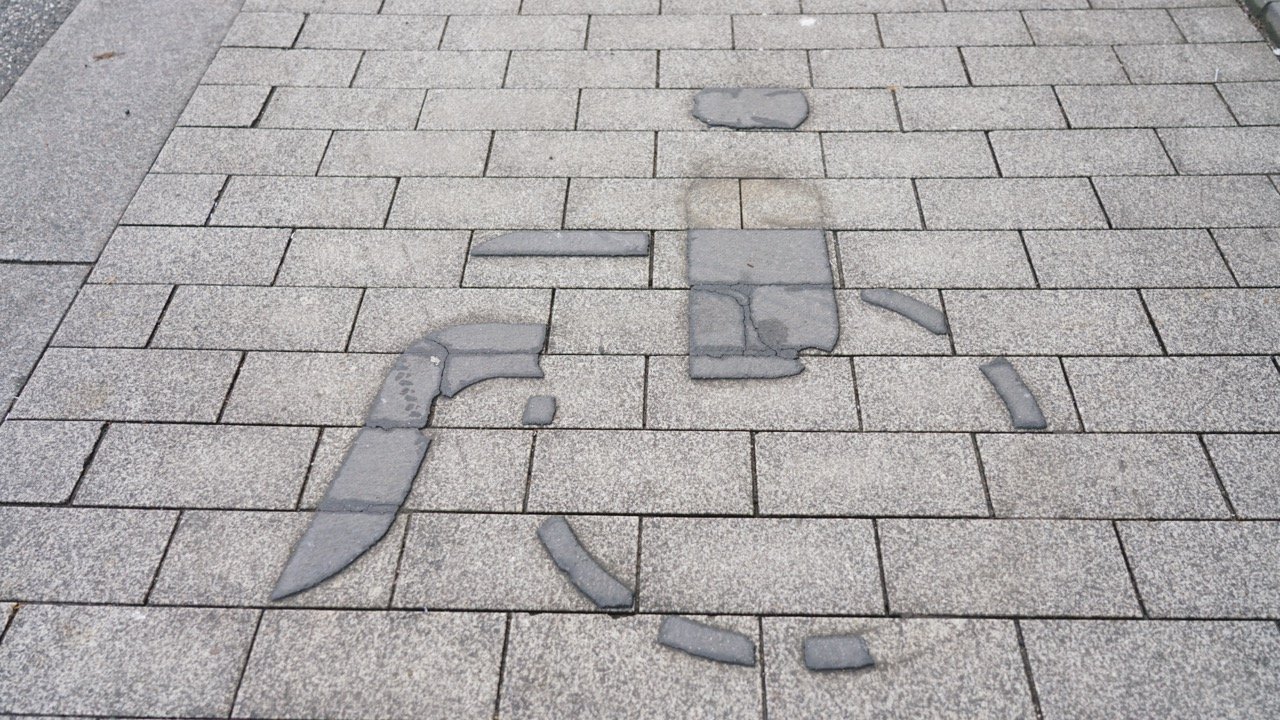
250301013653
Wheel Care
2024
Inkjet print on fineart canvas.
ED. 1/1 140cm X 250cm
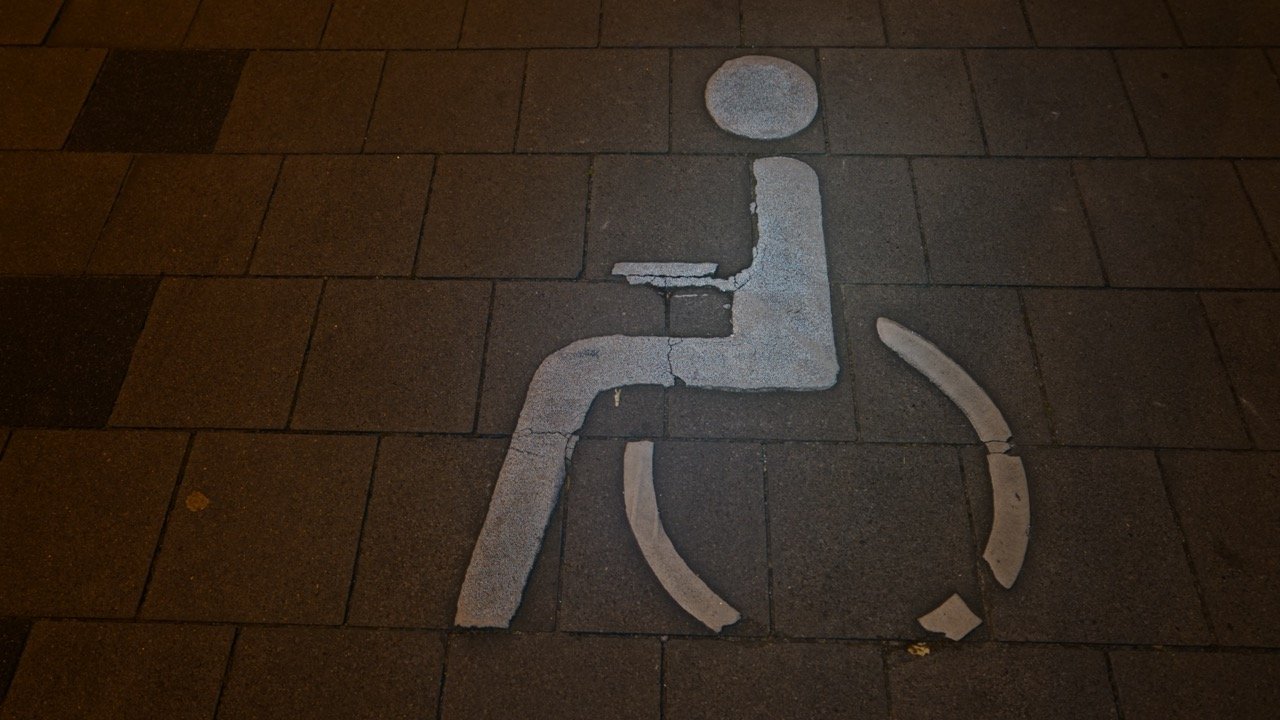
240901012186
Wheel Care
2024
Inkjet print on fineart canvas.
ED. 1/1 140cm X 250cm
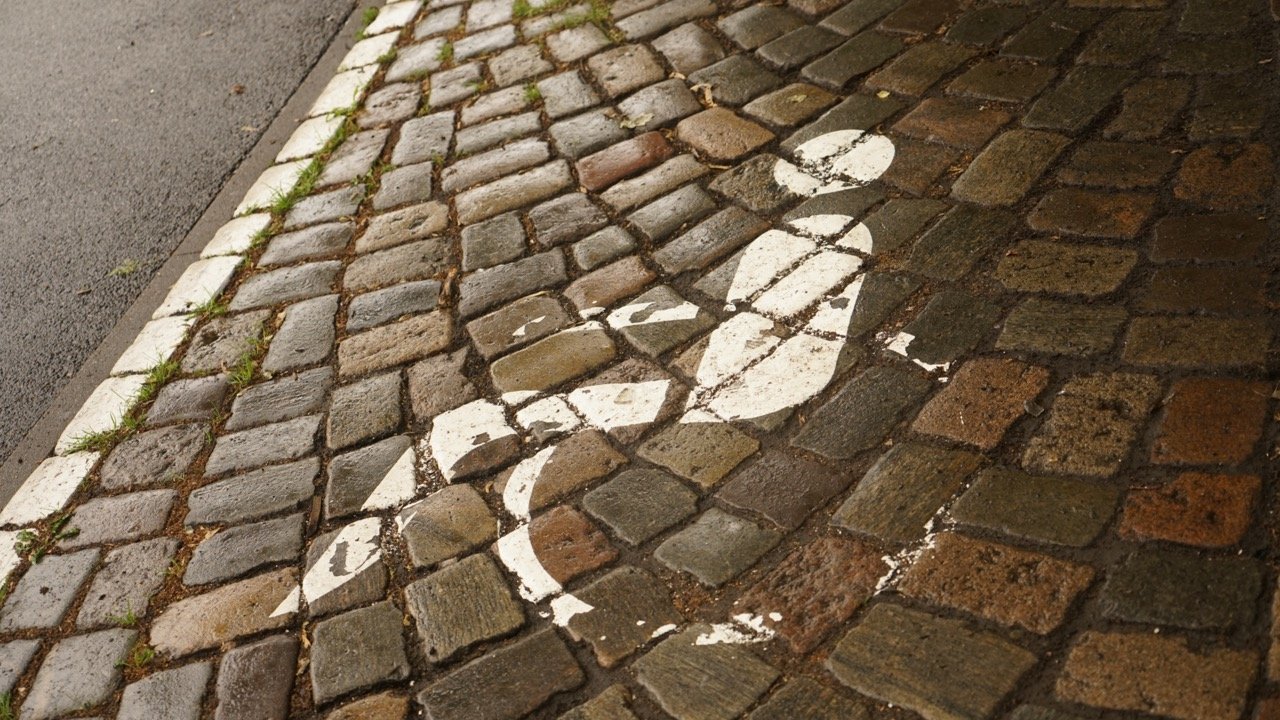
240801014299
Wheel Care
2024
Inkjet print on fineart canvas.
ED. 1/1 140cm X 250cm
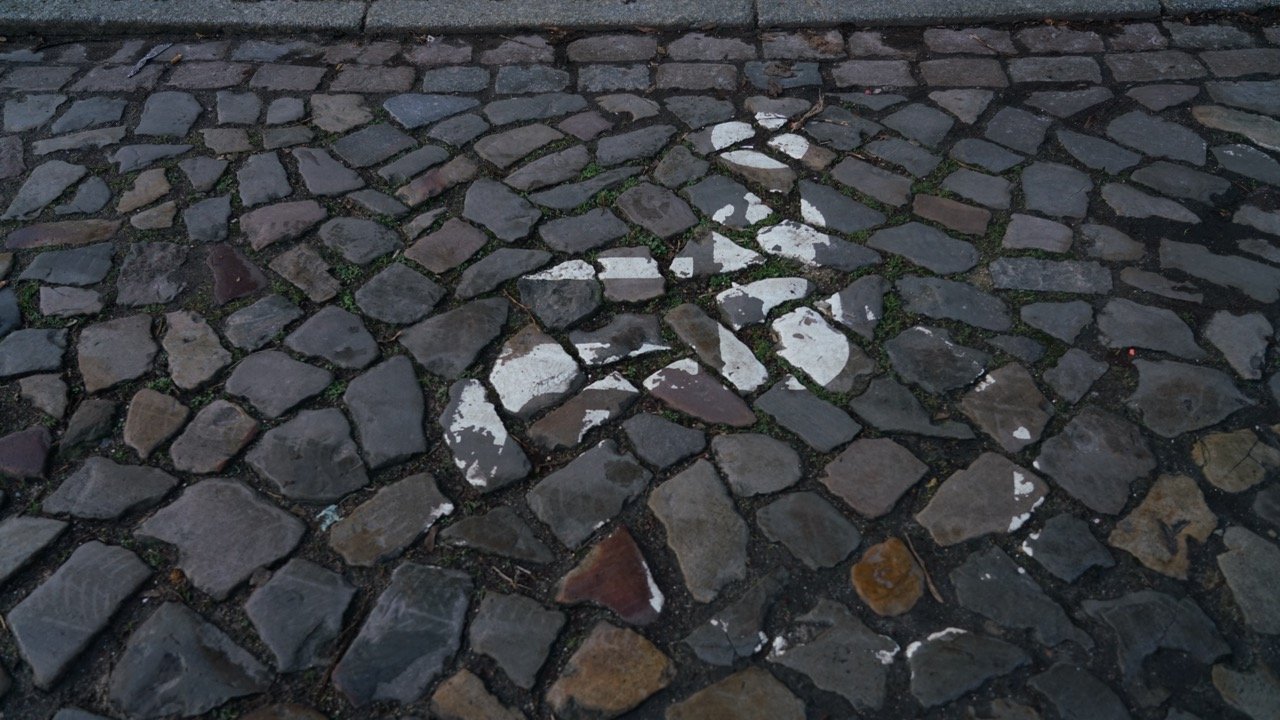
250201015855
Wheel Care
2024
Inkjet print on fineart canvas.
ED. 1/1 140cm X 250cm
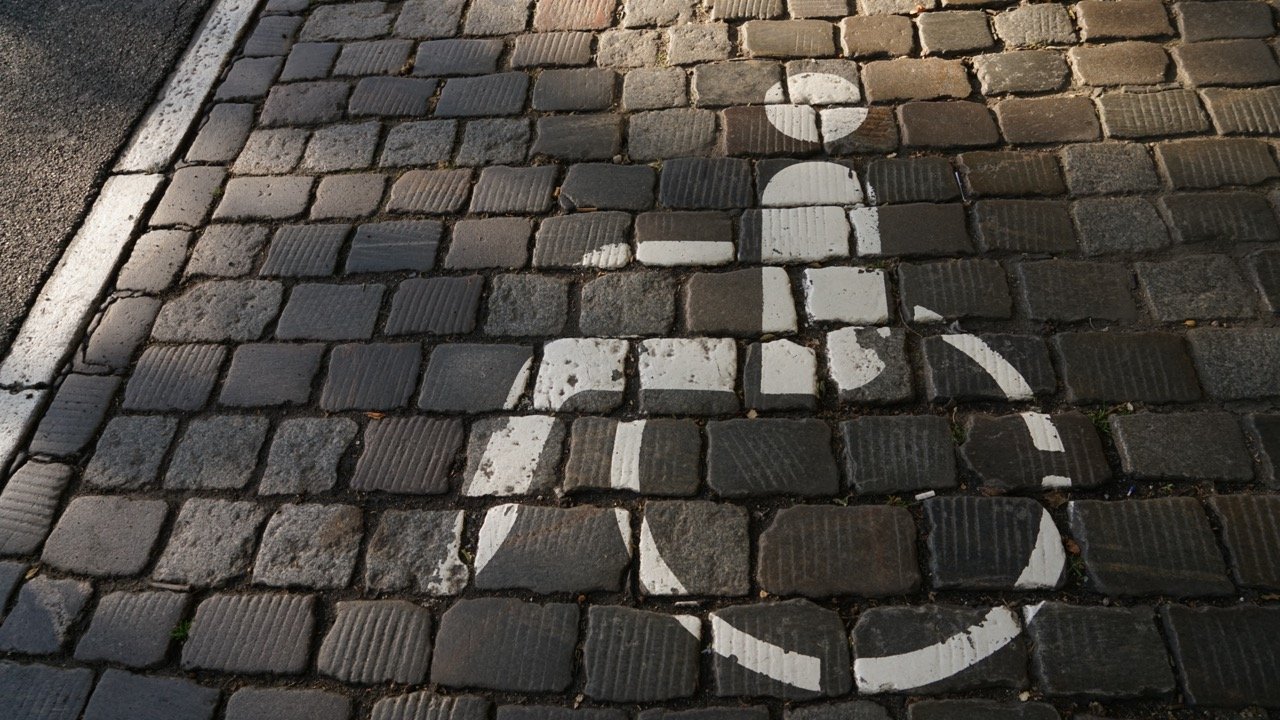
240803017085
Wheel Care
2024
Inkjet print on fineart canvas.
ED. 1/1 140cm X 250cm
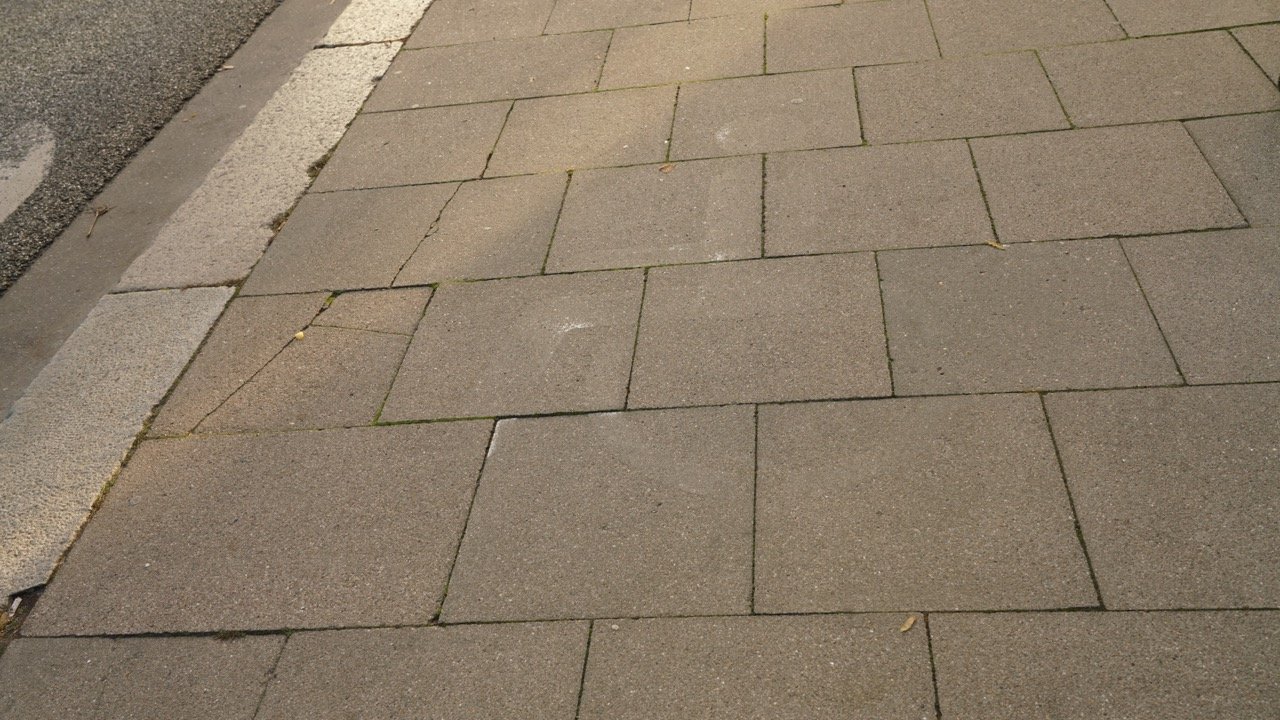
240902018239
Wheel Care
2024
Inkjet print on fineart canvas.
ED. 1/1 140cm X 250cm

242424010001
Did little marky really drop his iced lolly? BAMM!
Inkjet print on fineart canvas.
ED. 1/1 140cm X 250cm
242424010001
Did little marky really drop his iced lolly? BAMM!
Inkjet print on fineart canvas.
ED. 1/1 140cm X 250cm
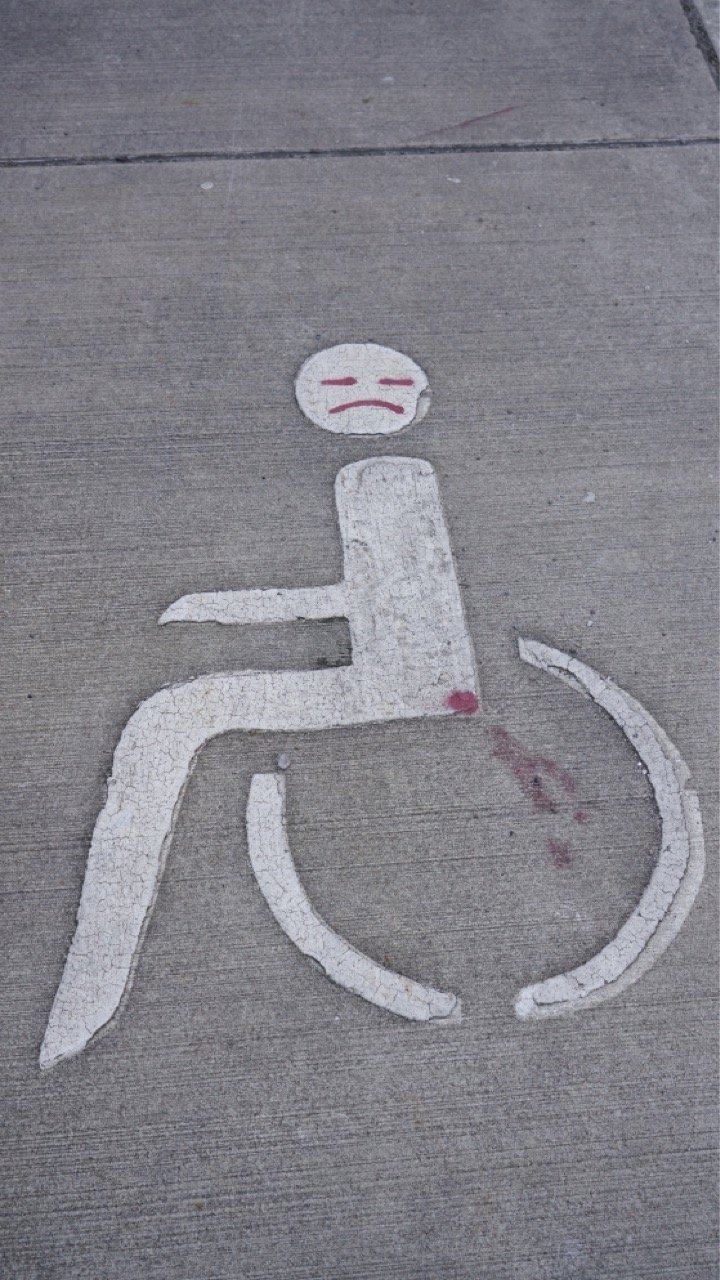
240701010847
Wheel Care
Mentally disabled painter. 2024
Inkjet print on fineart canvas.
ED. 1/1 140cm X 250cm
242424010001
Did little marky really drop his iced lolly? BAMM!
Inkjet print on fineart canvas.
ED. 1/1 140cm X 250cm

242424010001
Did little marky really drop his iced lolly? BAMM!
Inkjet print on fineart canvas.
ED. 1/1 140cm X 250cm

242424010001
Did little marky really drop his iced lolly? BAMM!
Inkjet print on fineart canvas.
ED. 1/1 140cm X 250cm

242424010001
Did little marky really drop his iced lolly? BAMM!
Inkjet print on fineart canvas.
ED. 1/1 140cm X 250cm
242424010001
Did little marky really drop his iced lolly? BAMM!
Inkjet print on fineart canvas.
ED. 1/1 140cm X 250cm
242424010001
Did little marky really drop his iced lolly? BAMM!
Inkjet print on fineart canvas.
ED. 1/1 140cm X 250cm
242424010001
Did little marky really drop his iced lolly? BAMM!
Inkjet print on fineart canvas.
ED. 1/1 140cm X 250cm
242424010001
Did little marky really drop his iced lolly? BAMM!
Inkjet print on fineart canvas.
ED. 1/1 140cm X 250cm
242424010001
Did little marky really drop his iced lolly? BAMM!
Inkjet print on fineart canvas.
ED. 1/1 140cm X 250cm
TECHNOTES
Editions:
UNIQUE WORKS: Extra-large prints on Hahnemühle fine art canvas, mounted on wooden frame.
LIMITED EDITIONS: Smaller prints on museum-grade photographic paper.
TECHNICAL APPROACH |IN-CAMERA-RESULTS*:
Photography is chosen here for its immediacy.
It is surprising how alive the street surface and the sprayed on letters, symbols and street-marks appear,
It is thrilling how life,weather,trafic and wear and tear turn some of them them into unique pieces of art, displaying tremendous variety.
It is a feast to celebrate as rich a texture which many collectors not even find in several famous masterpieces.
This insistence on reality is vital to the work’s essential message. It is here that photography remains irreplaceable.
* Minimal post-production is maybe used, but strictly align with classical photojournalistic rules.
soon more…
soon more…
soon more…
CYCLE-3 ANCHOR
CYCLE 3
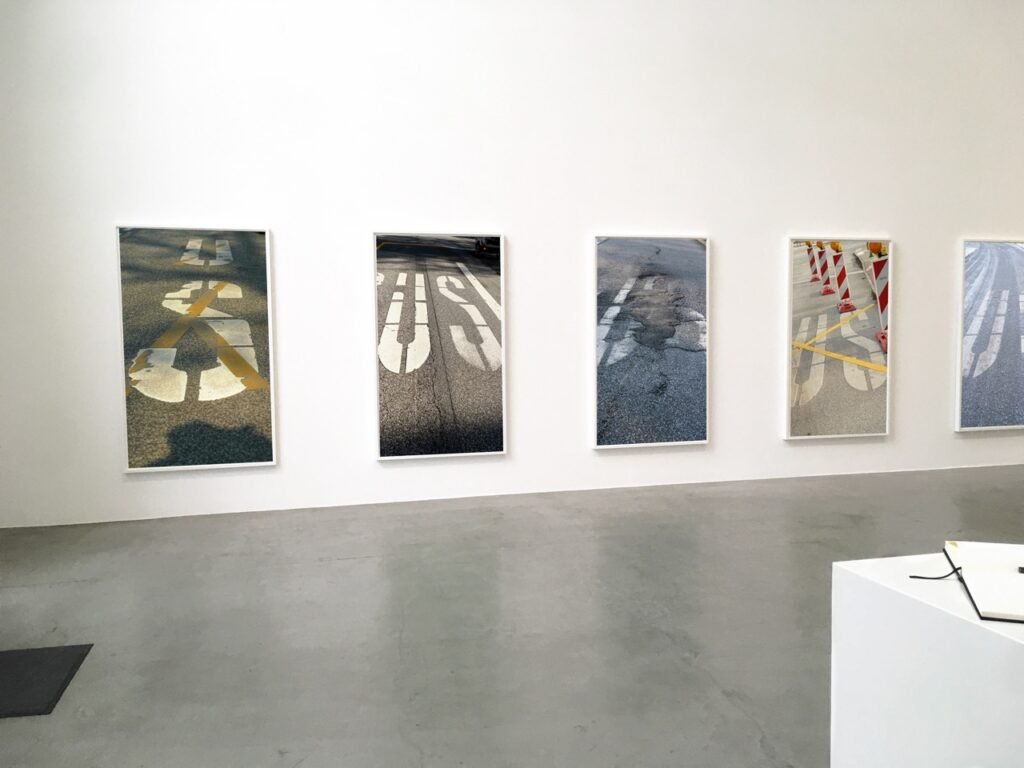
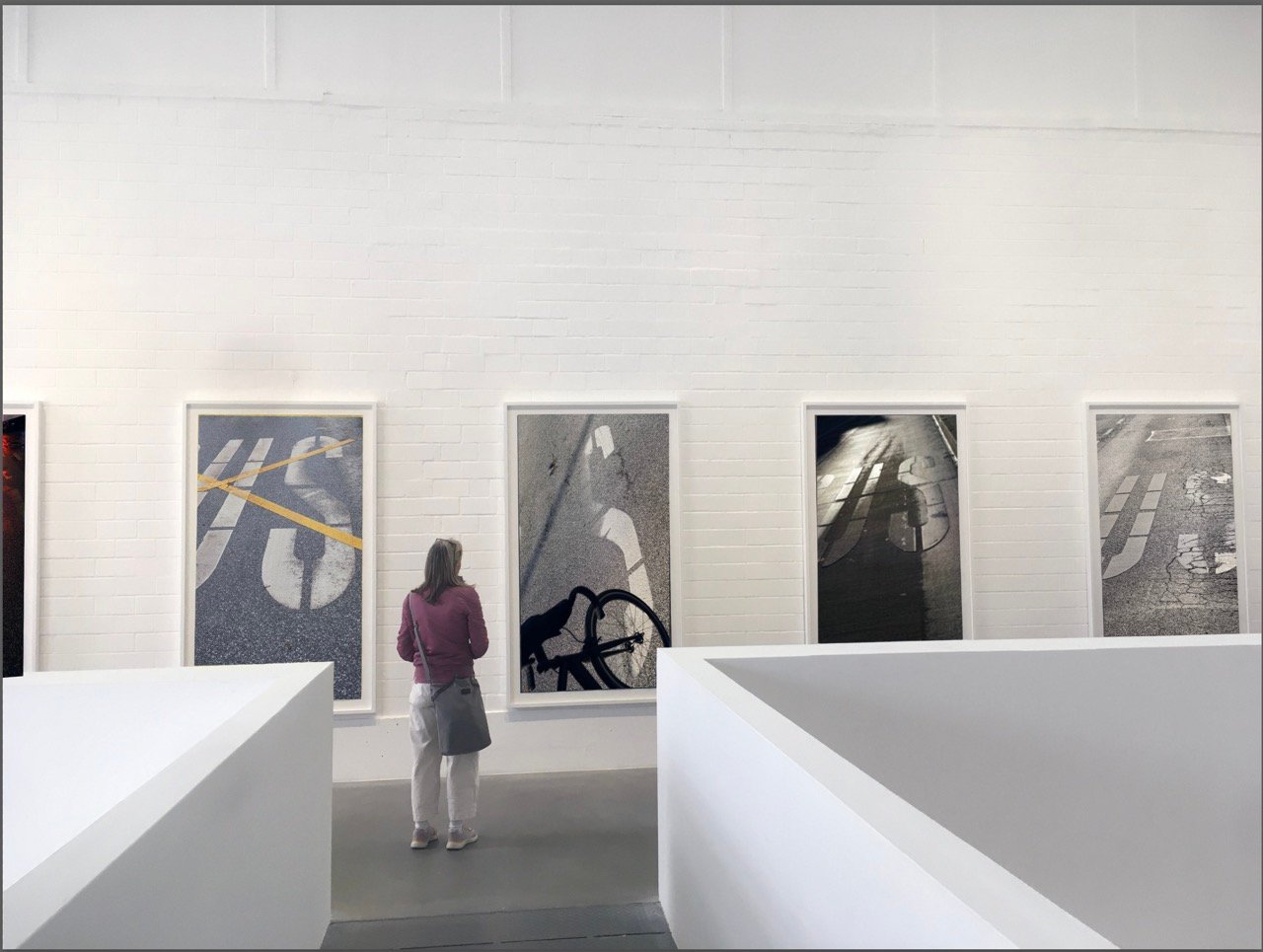
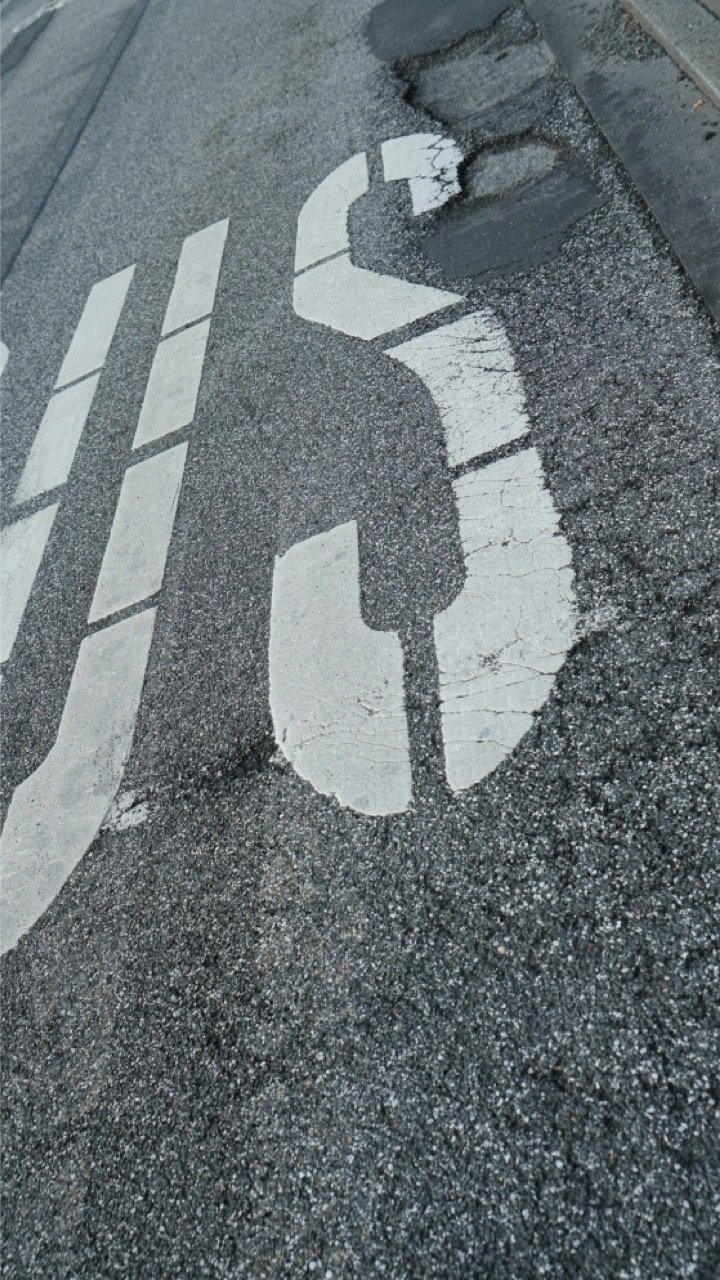
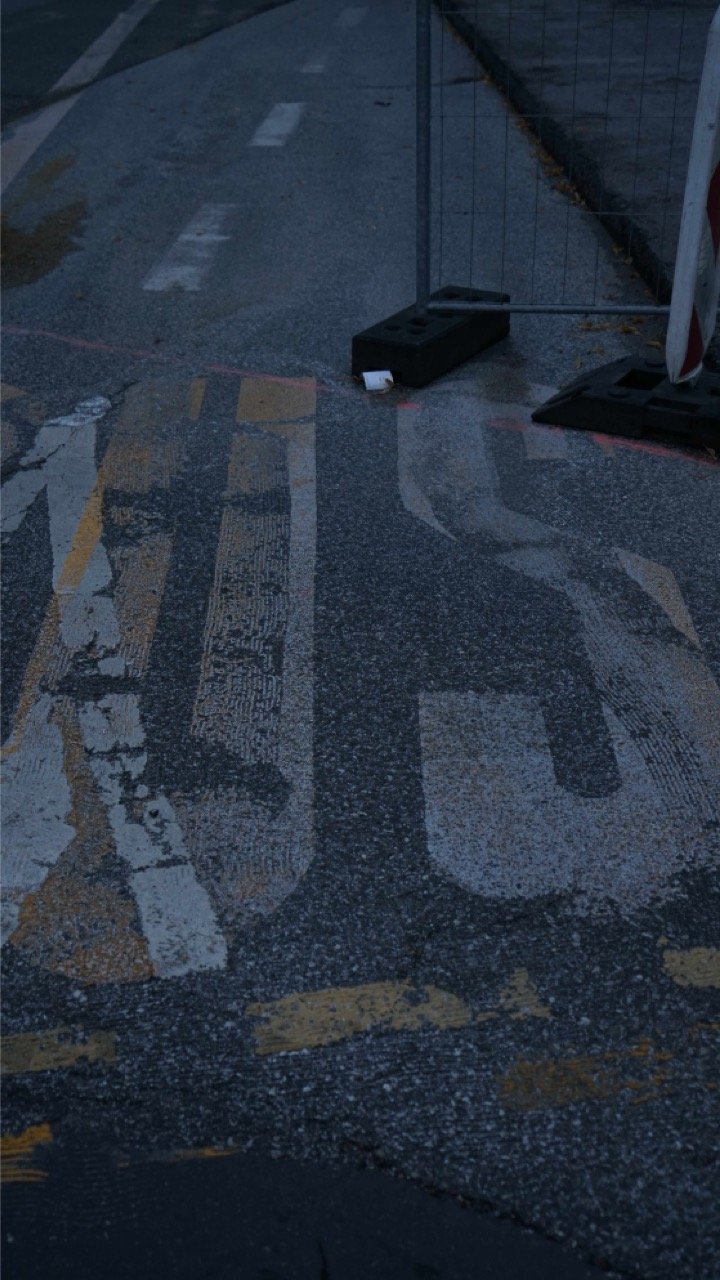
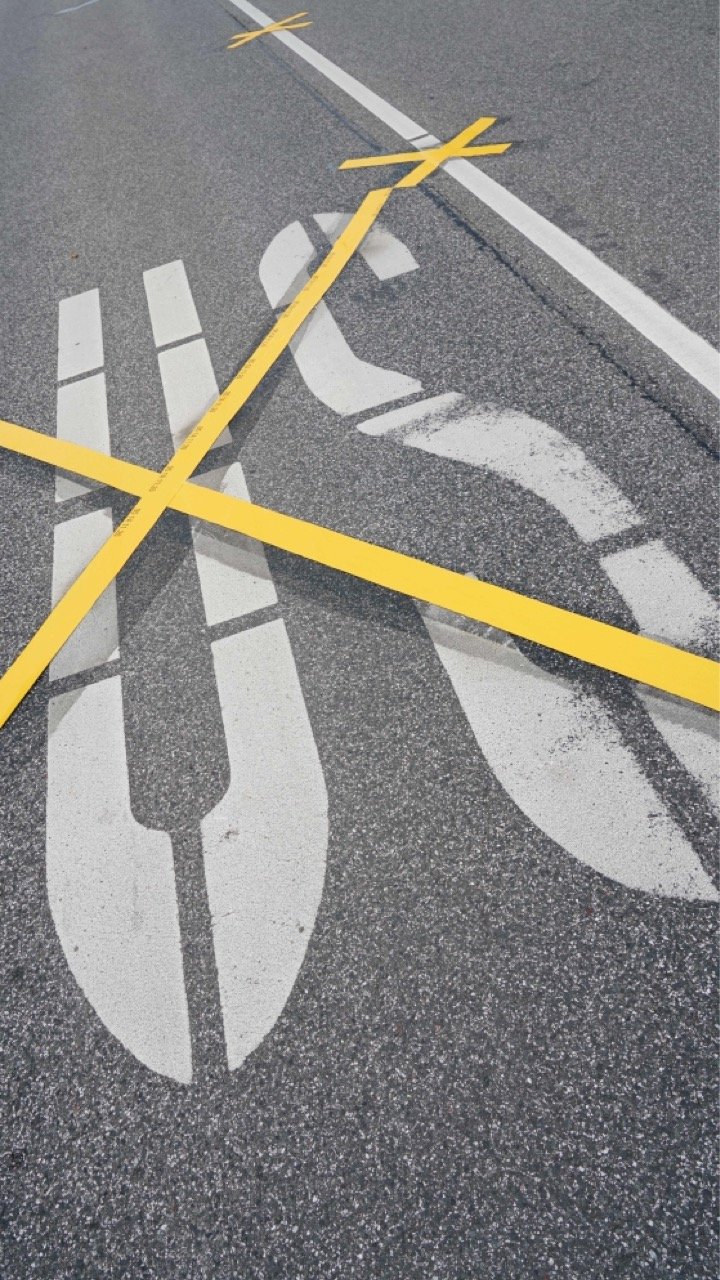
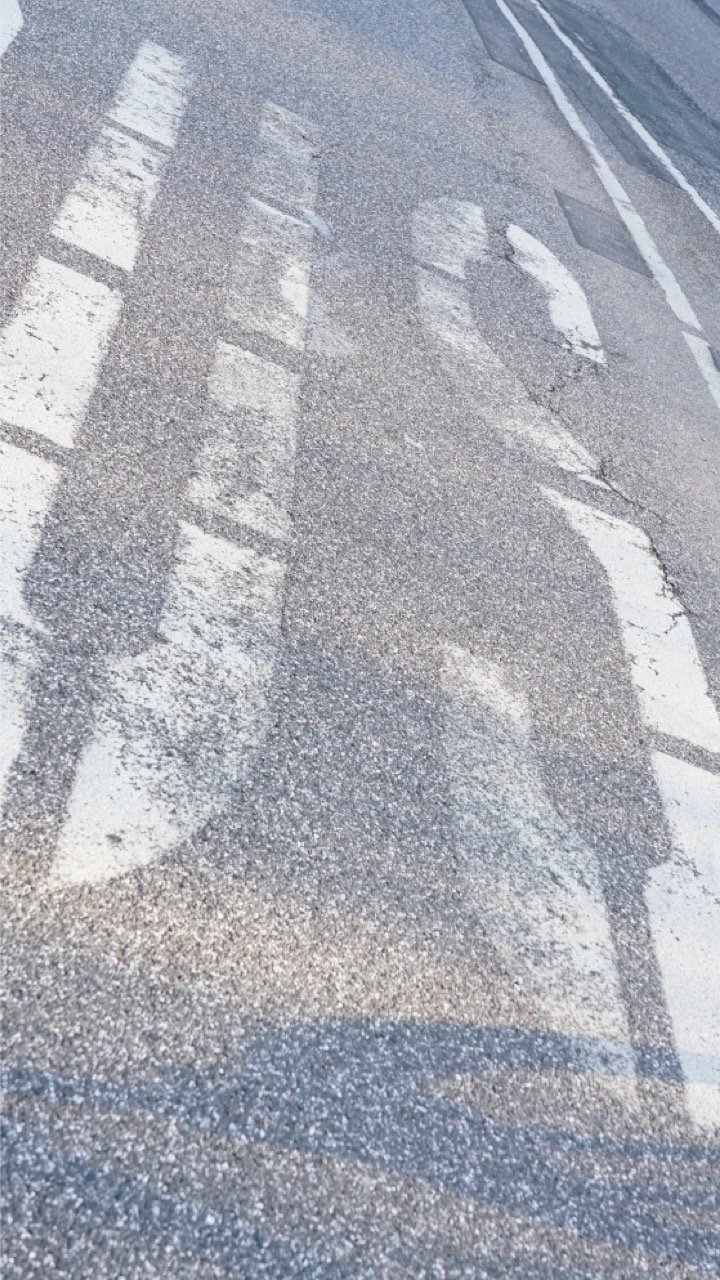
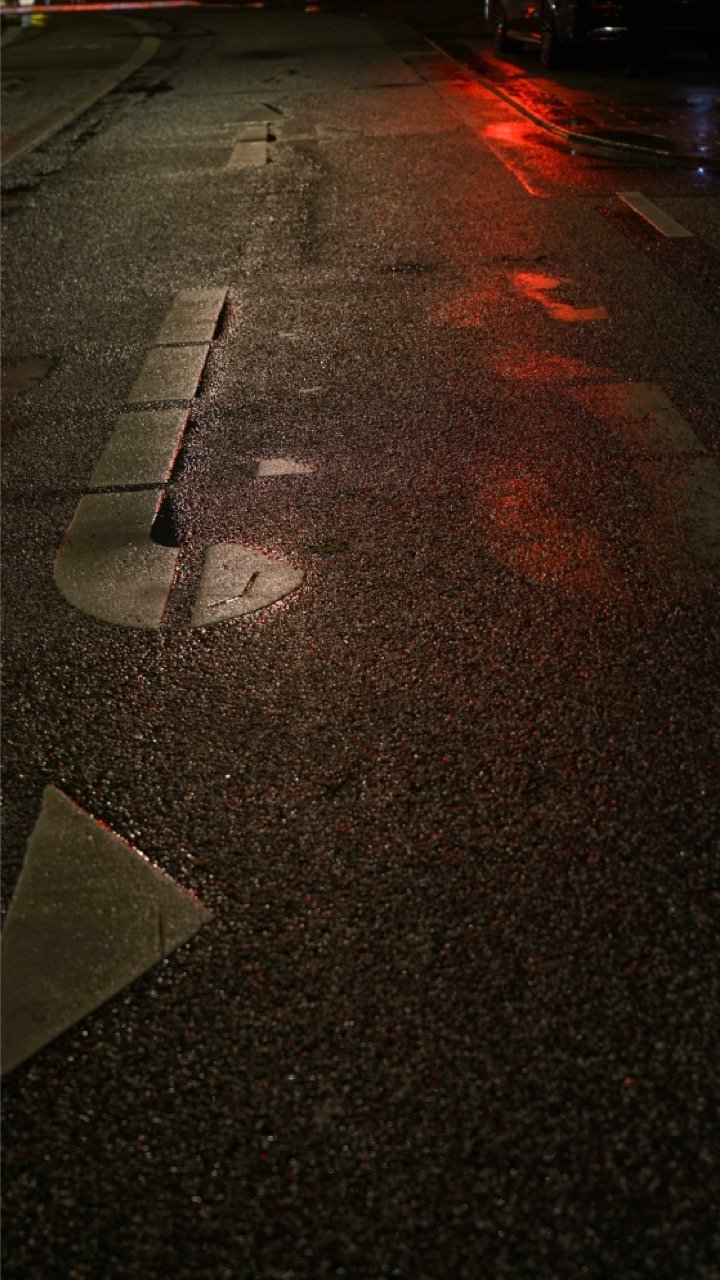
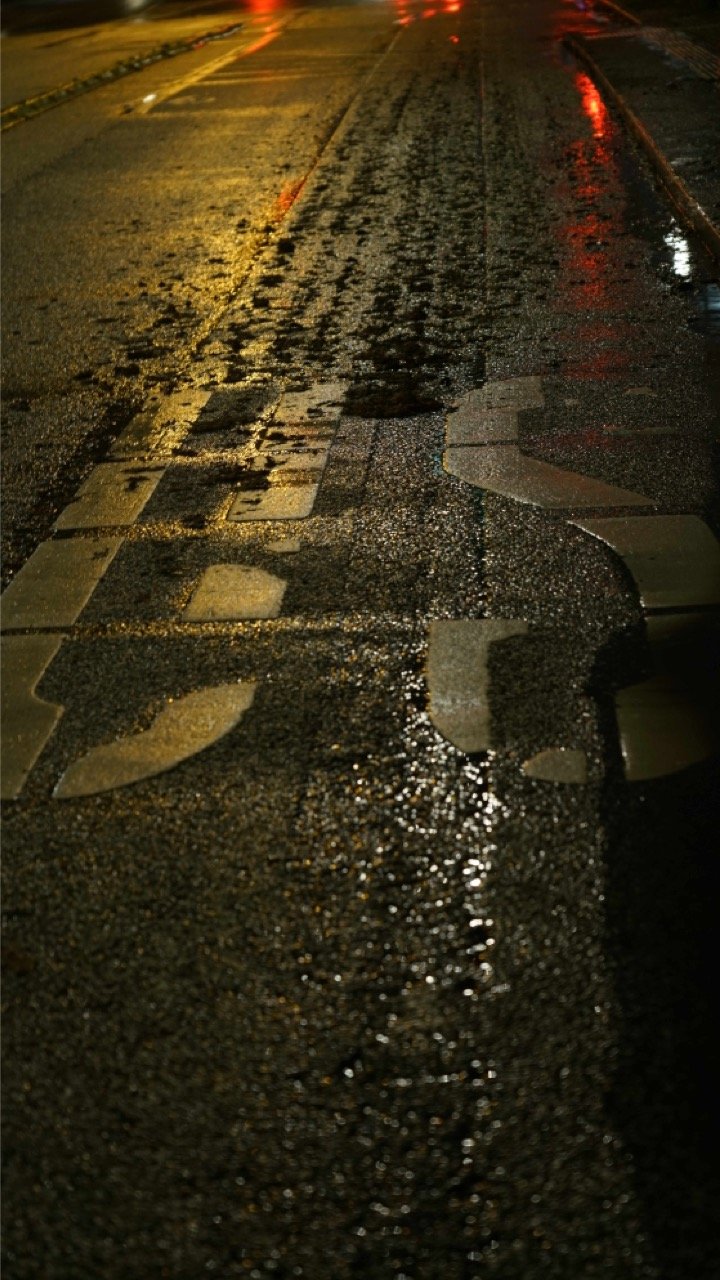
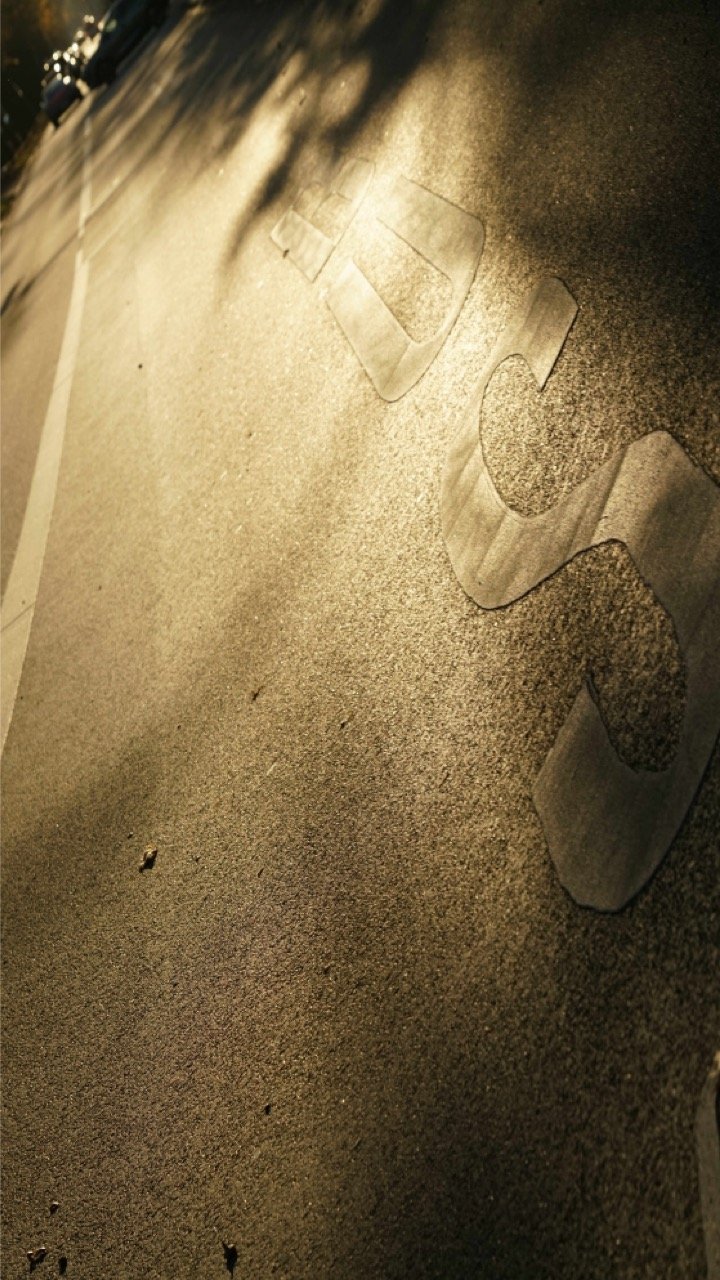
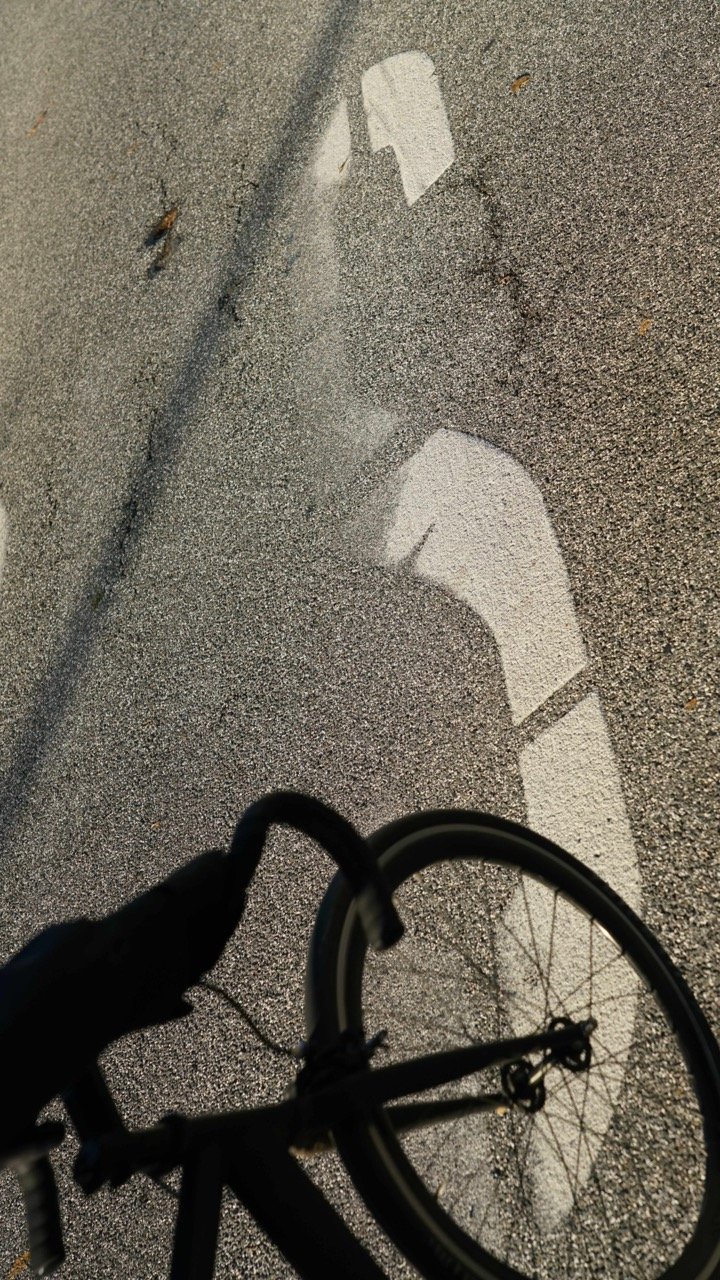
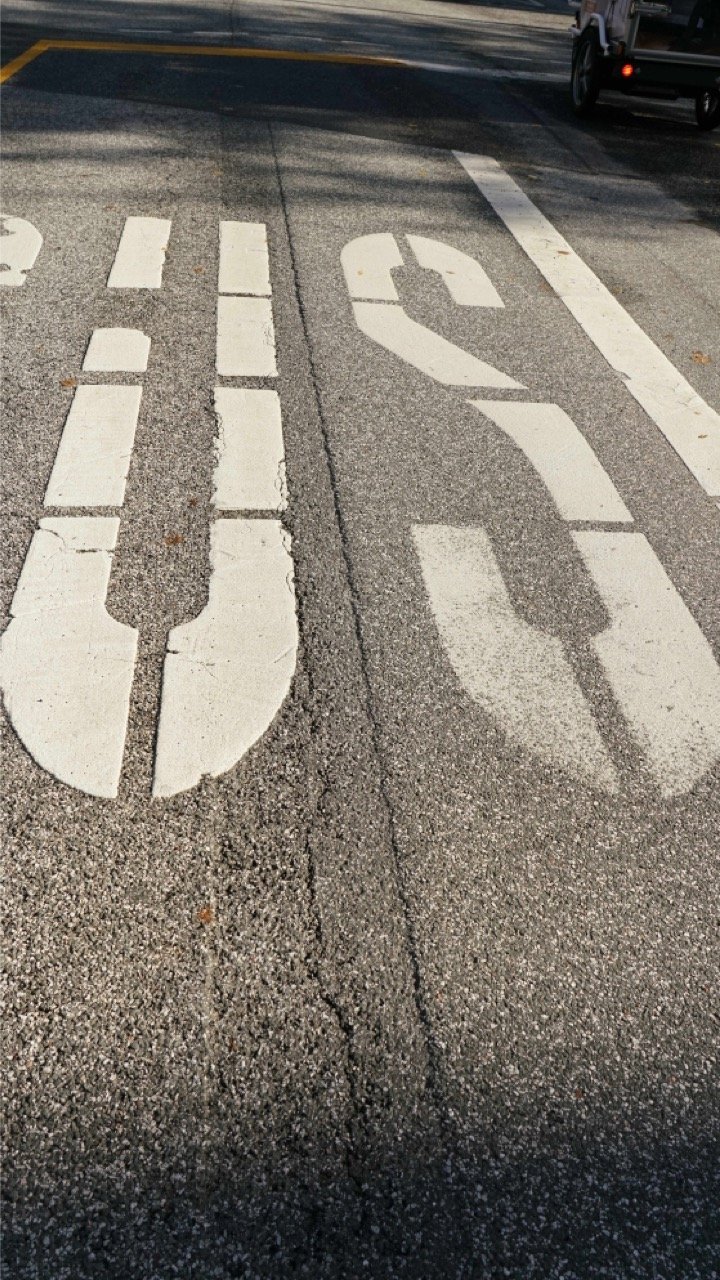
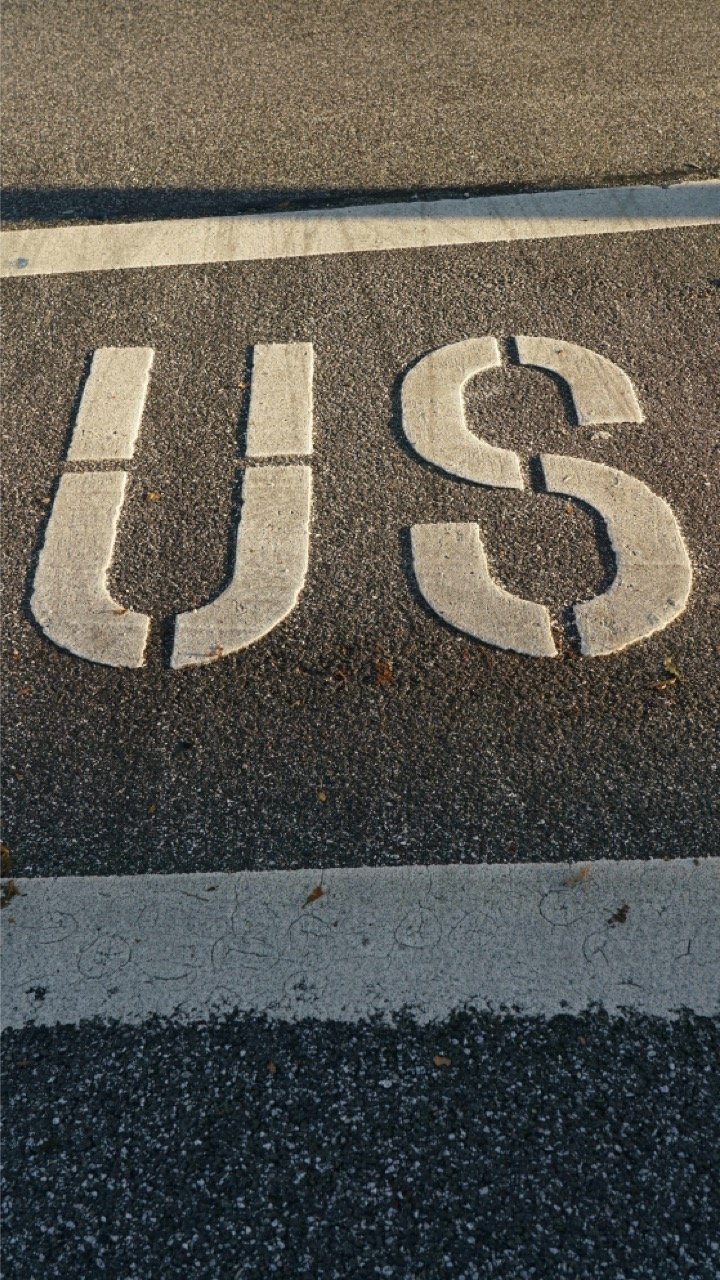
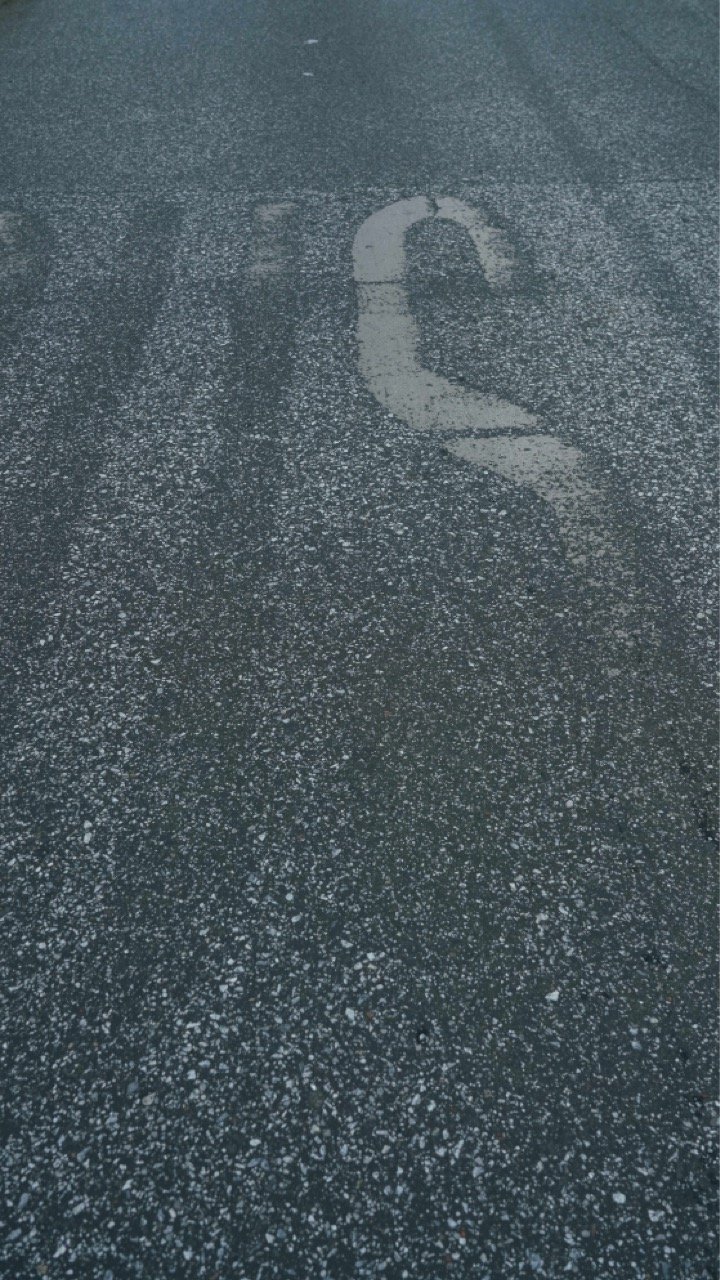
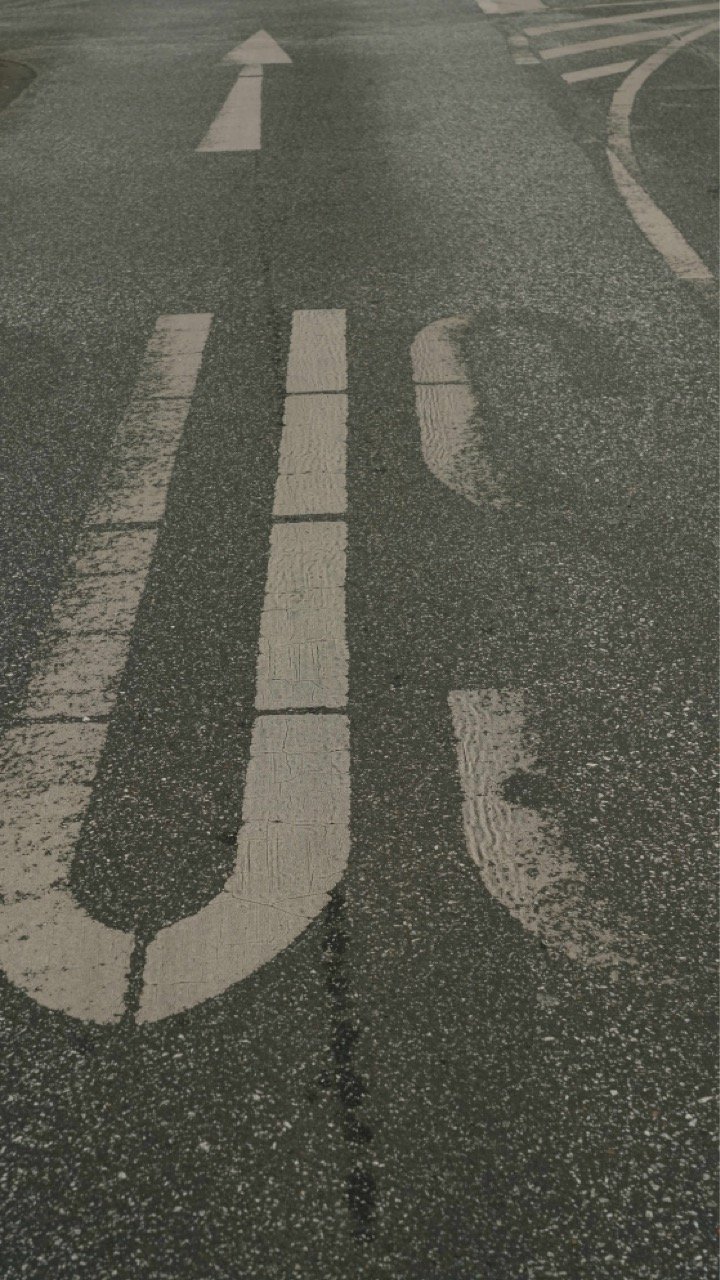
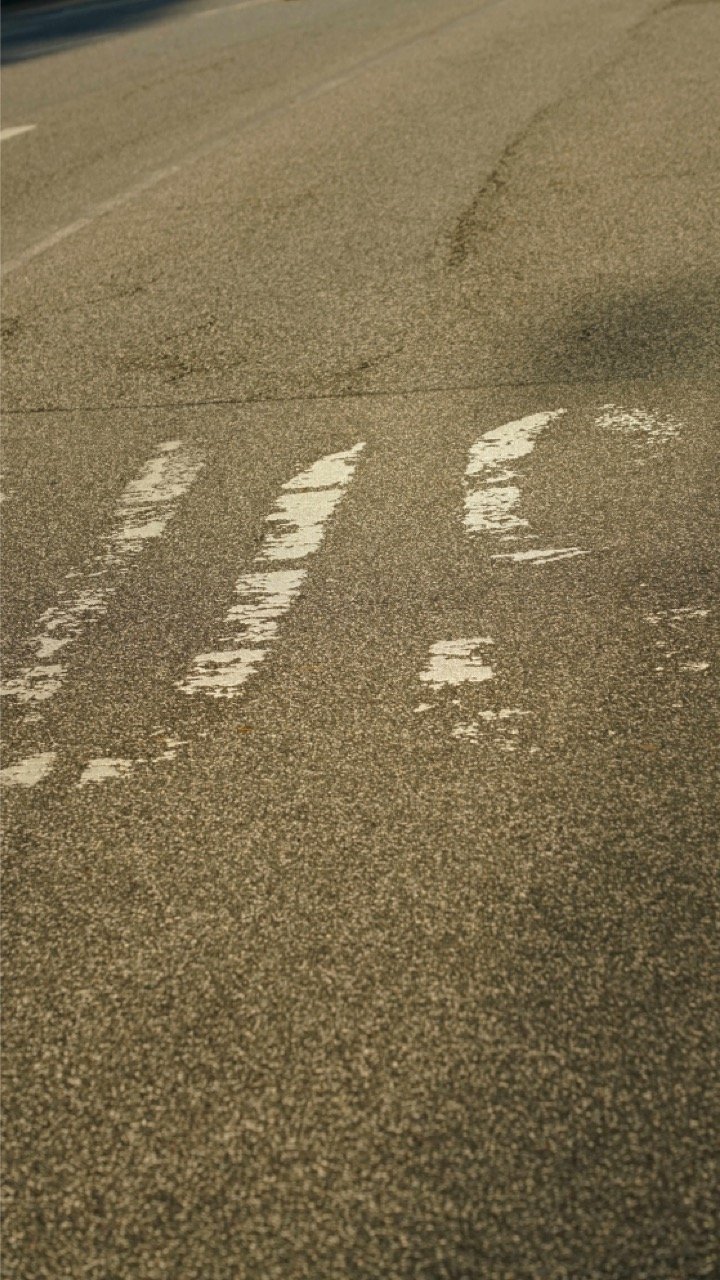
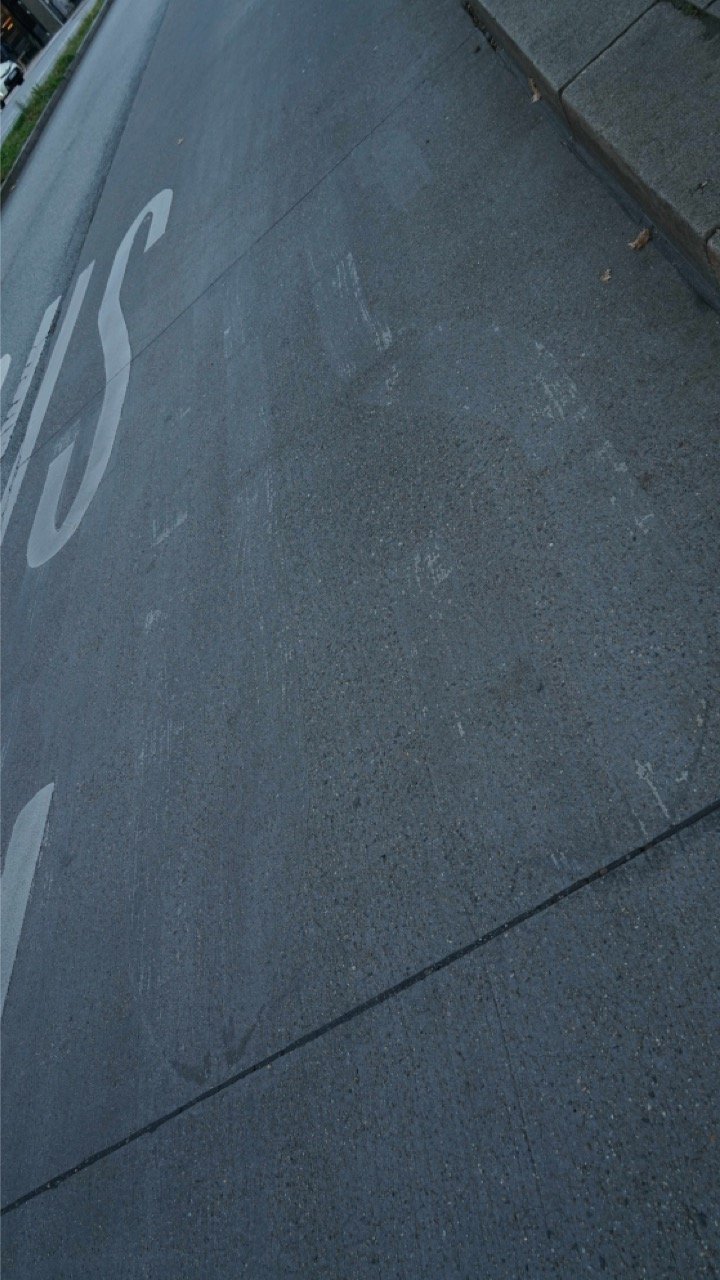
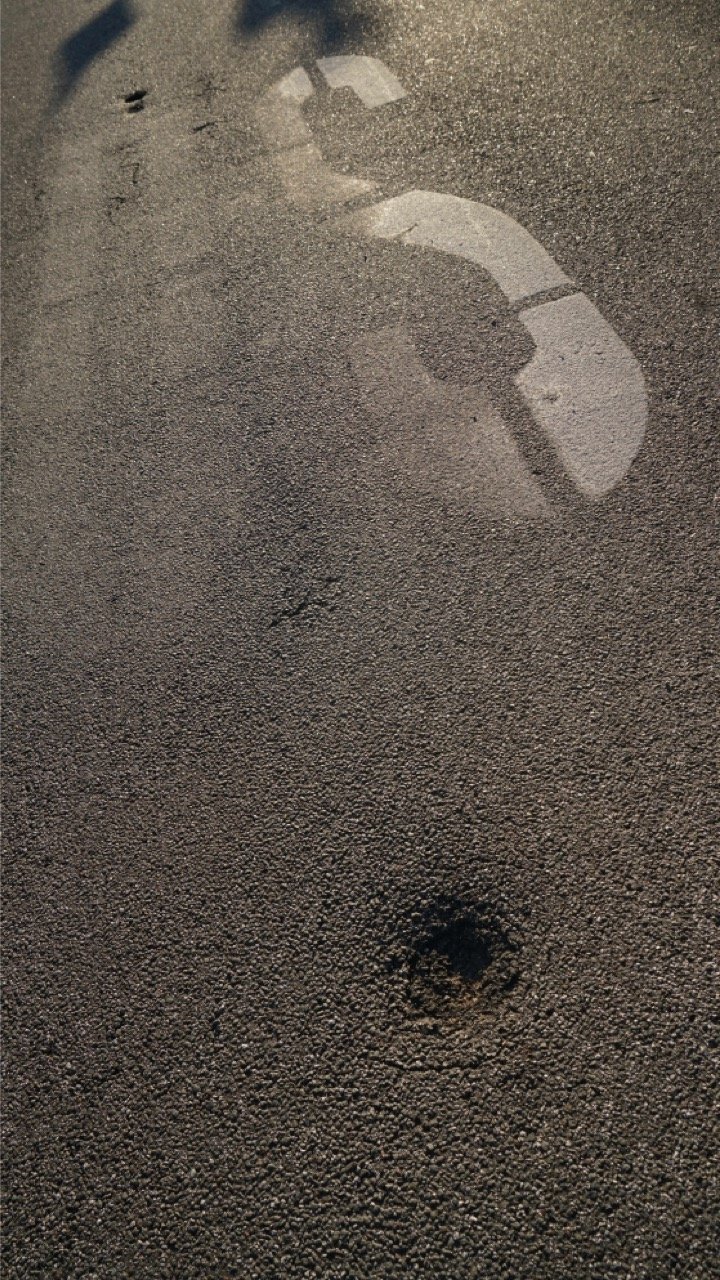
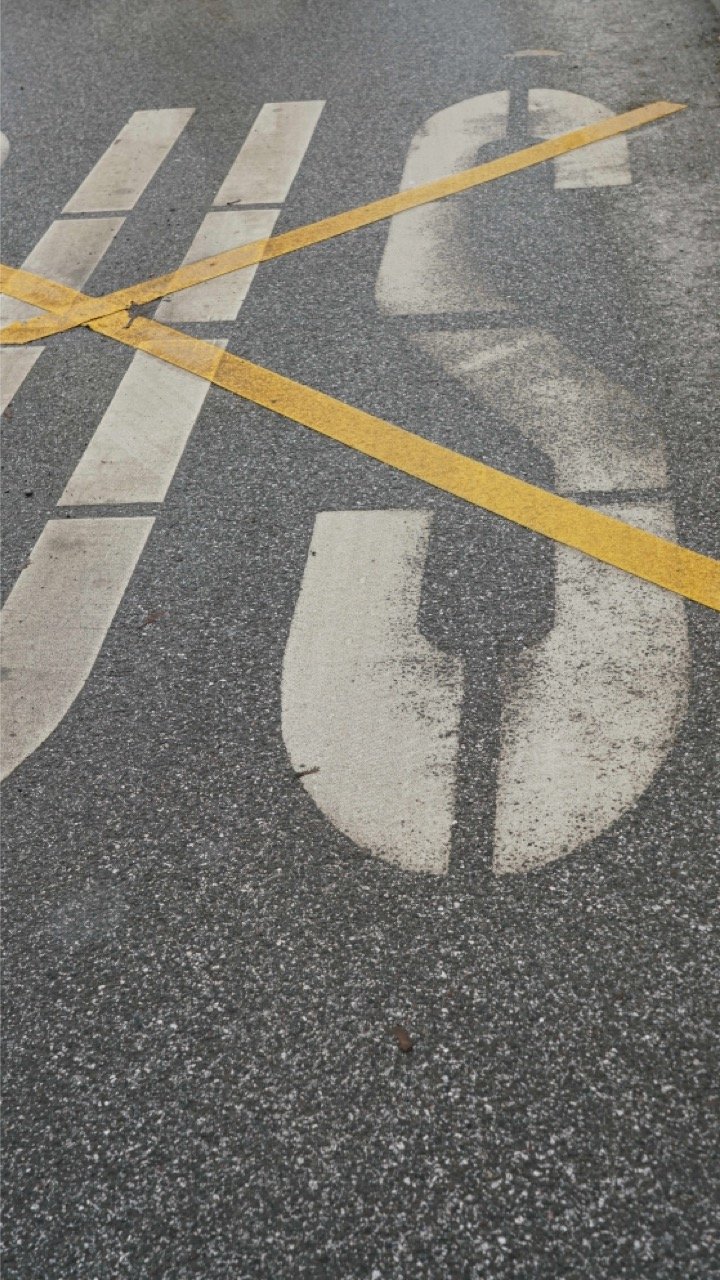
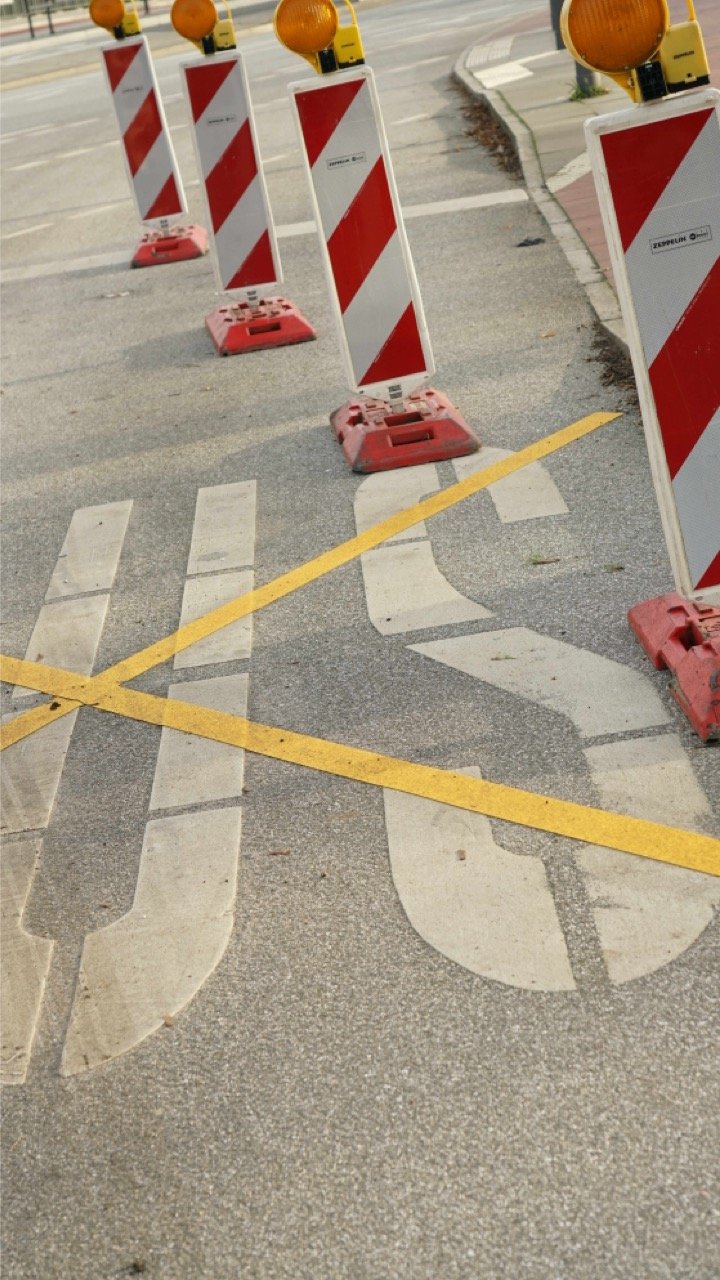
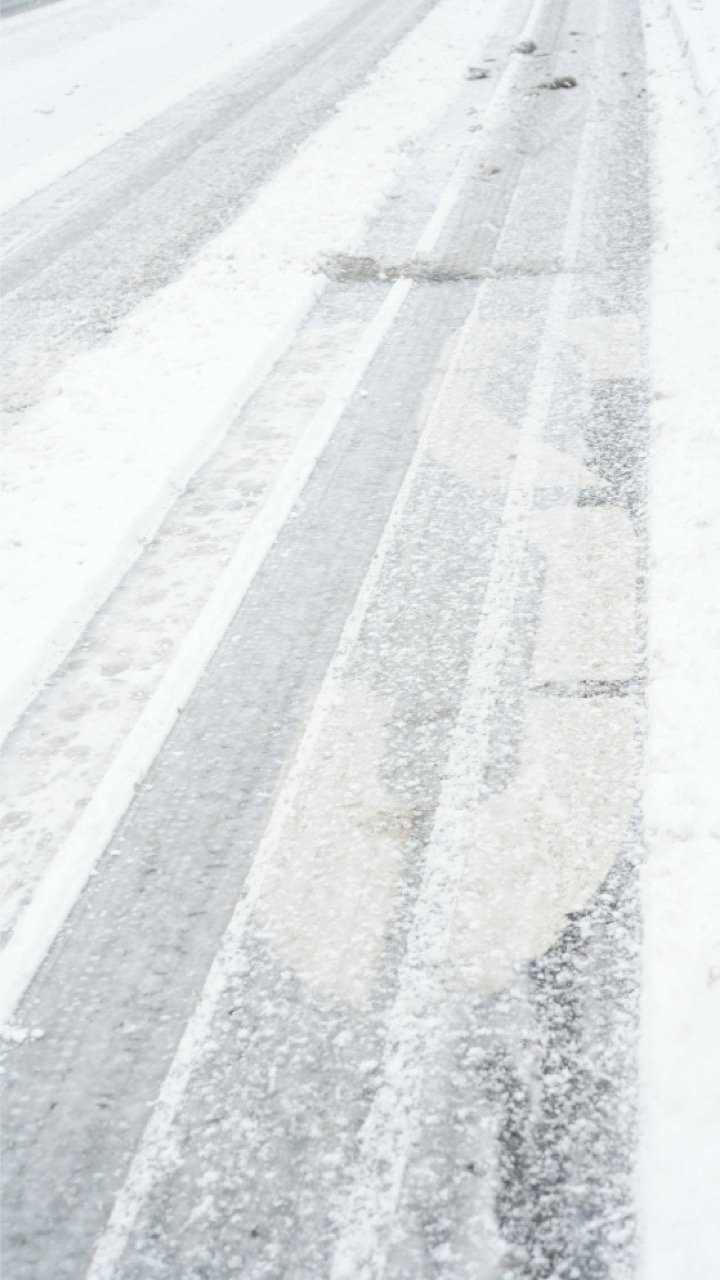
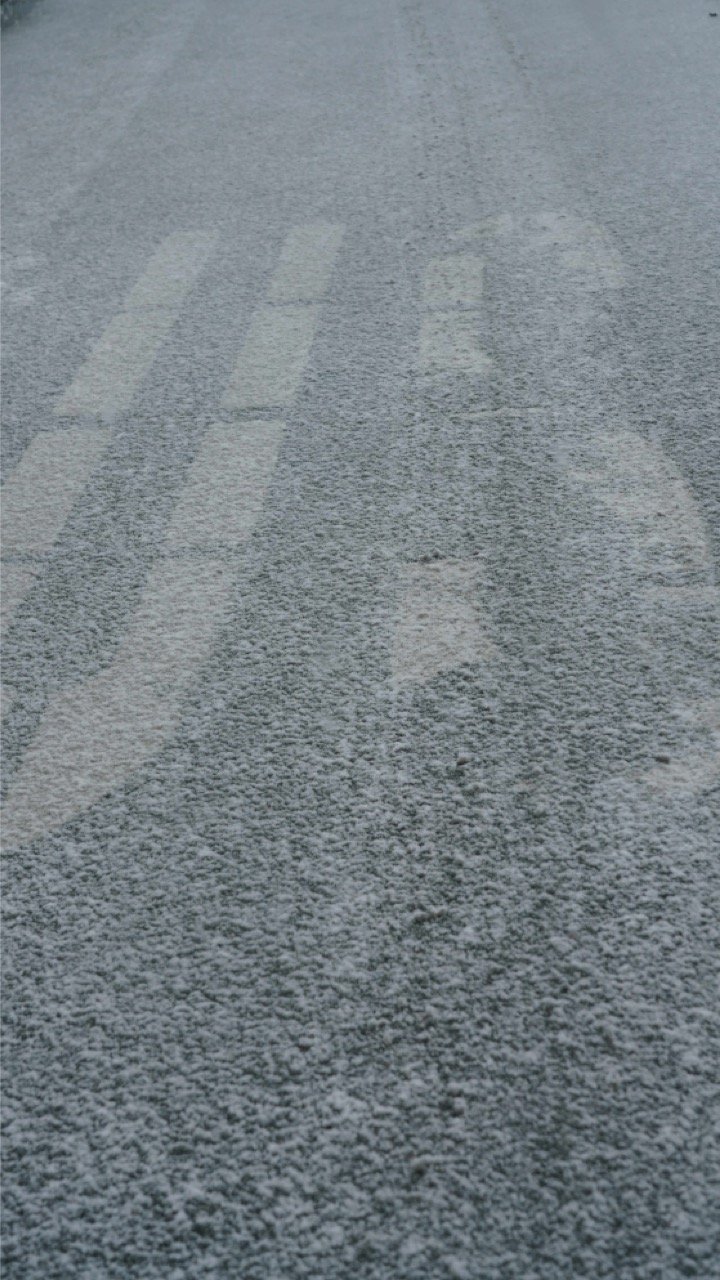
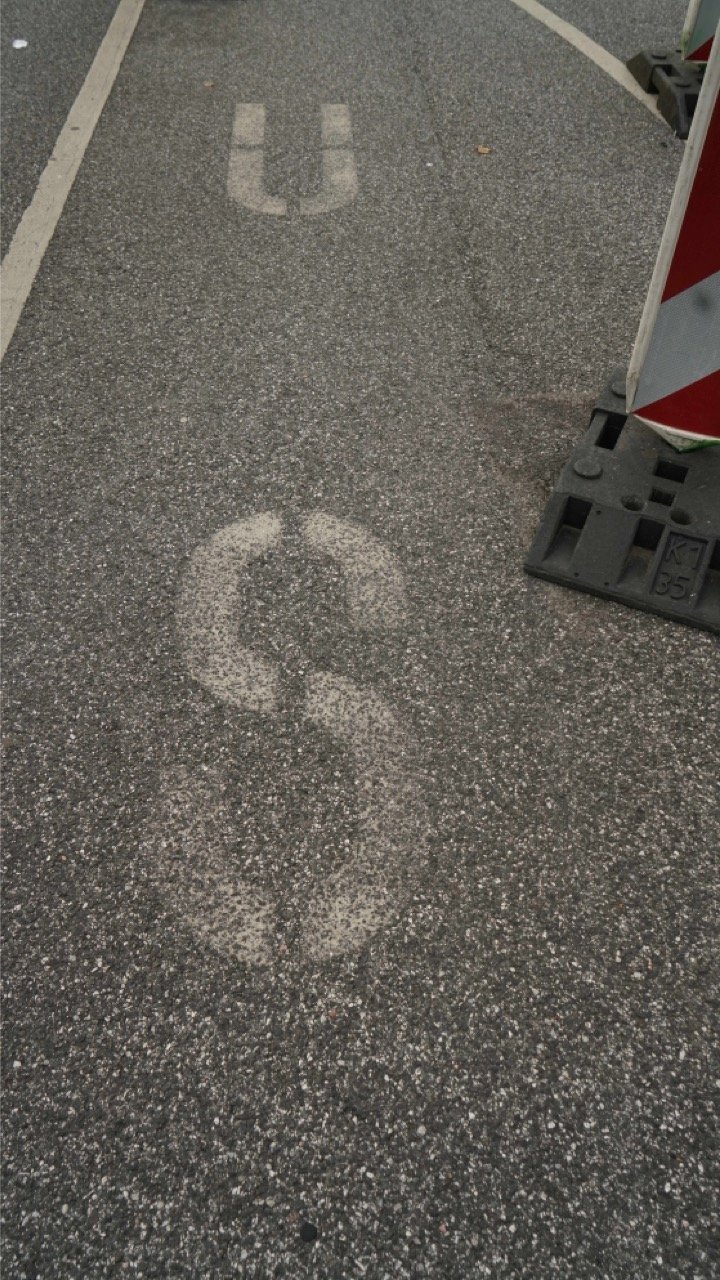
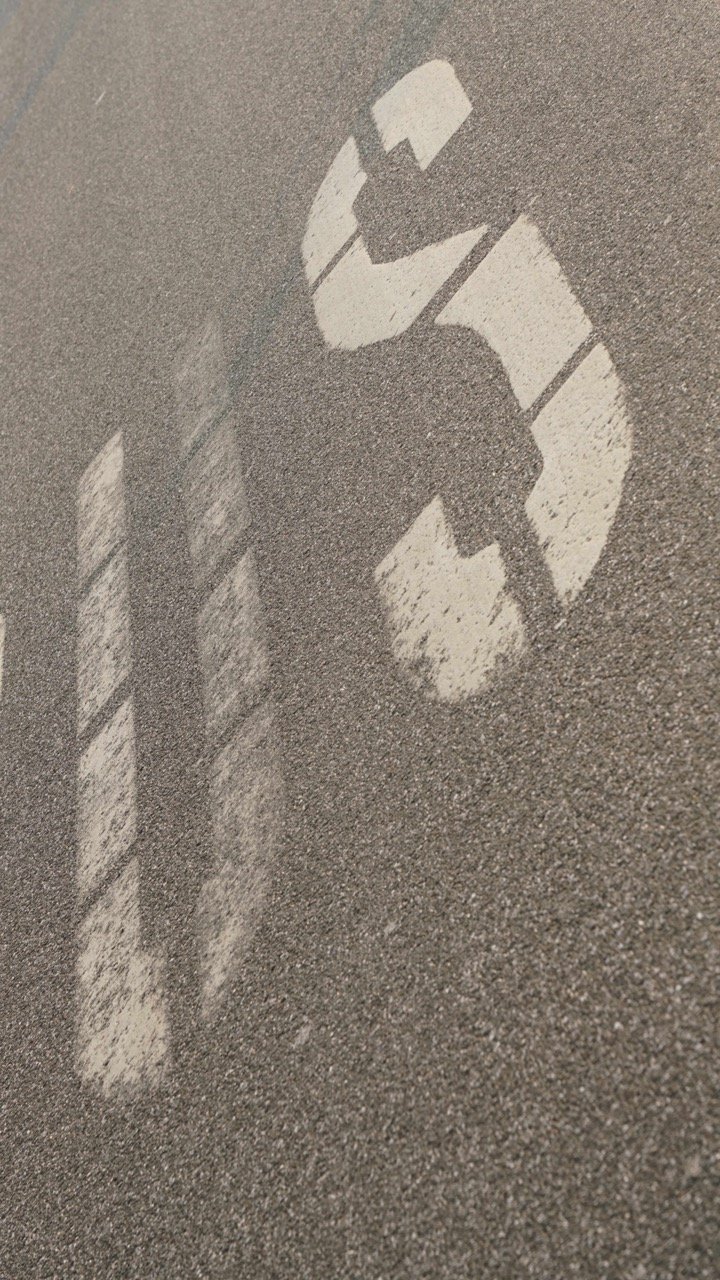
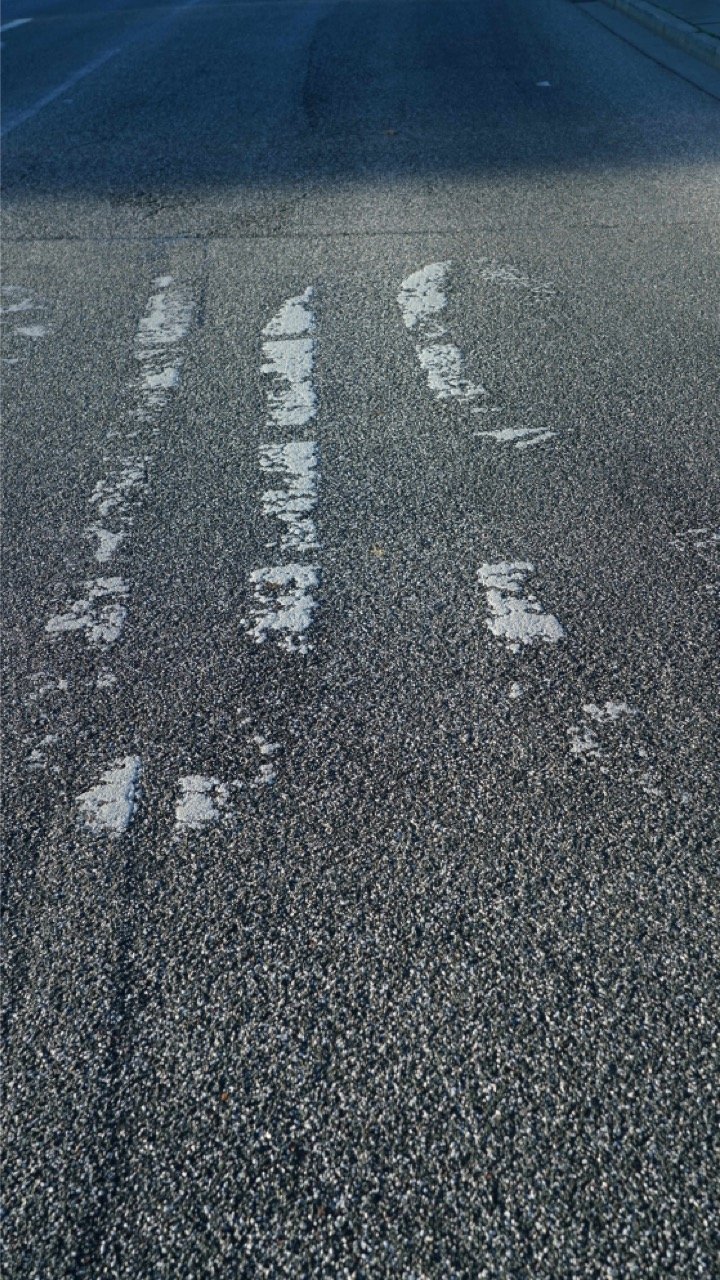
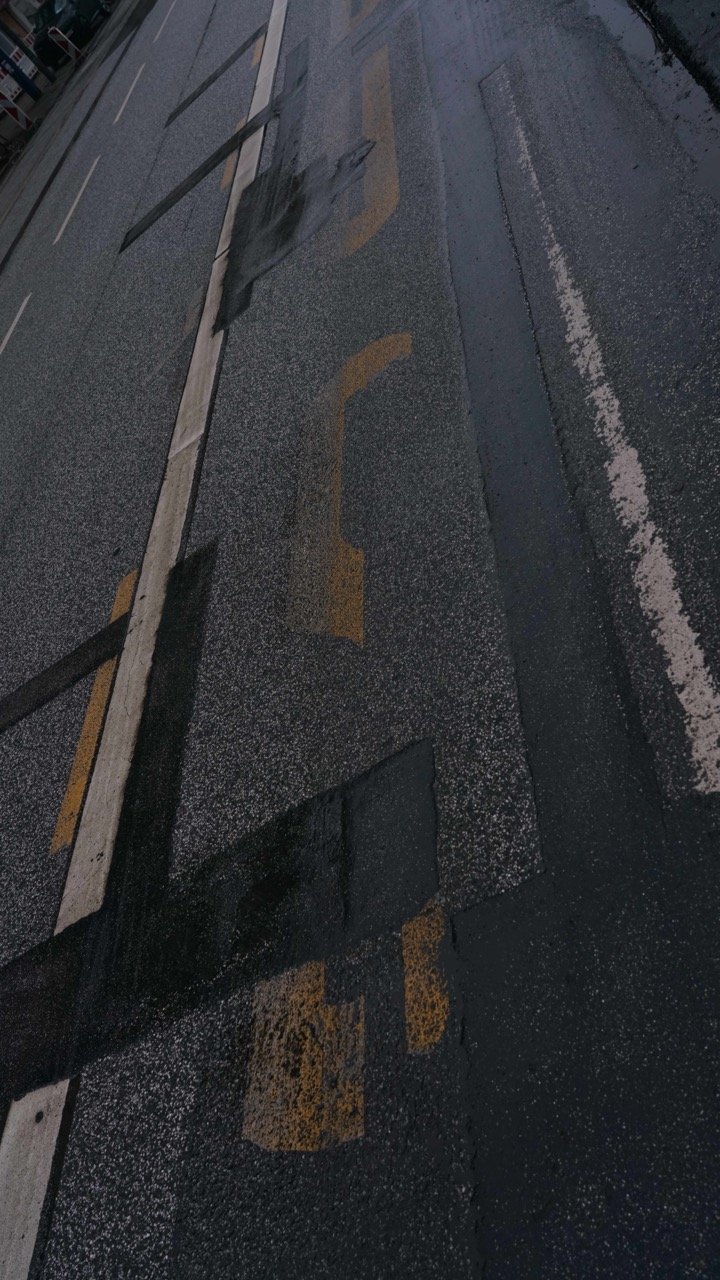
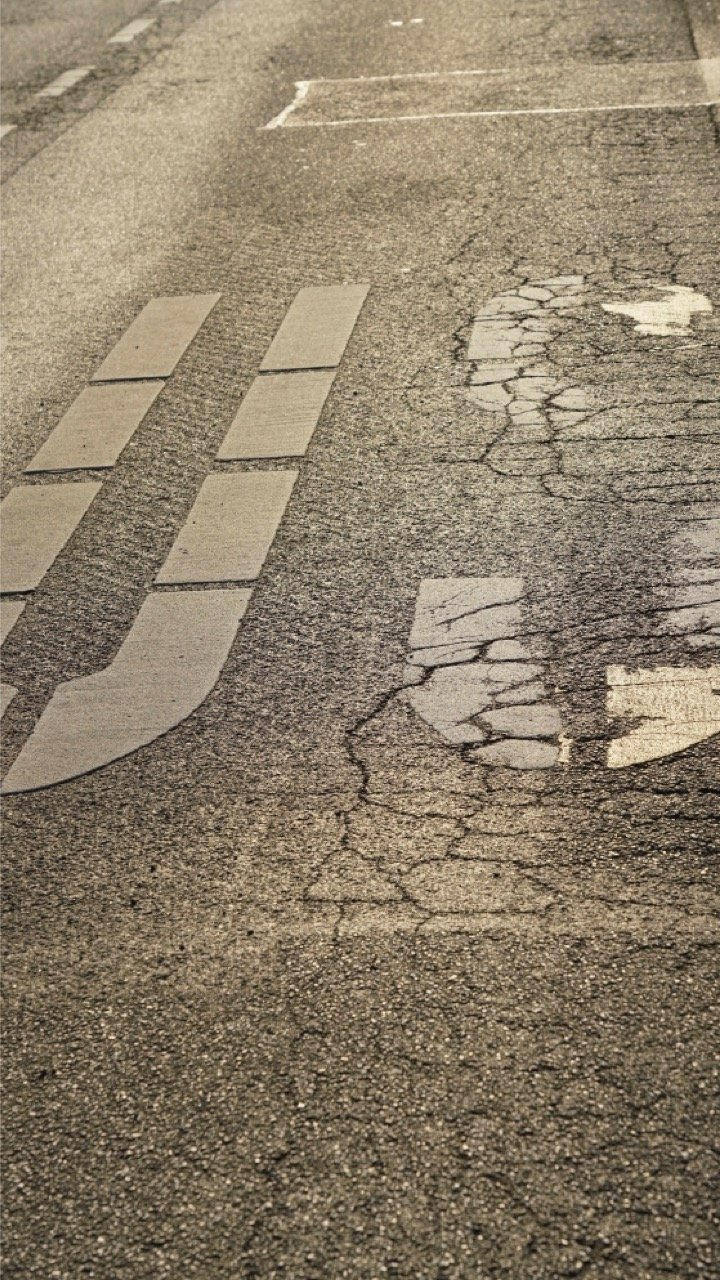
DO I SEE THE “U.S.” OR US, WHILE WAITING FOR A BUS?
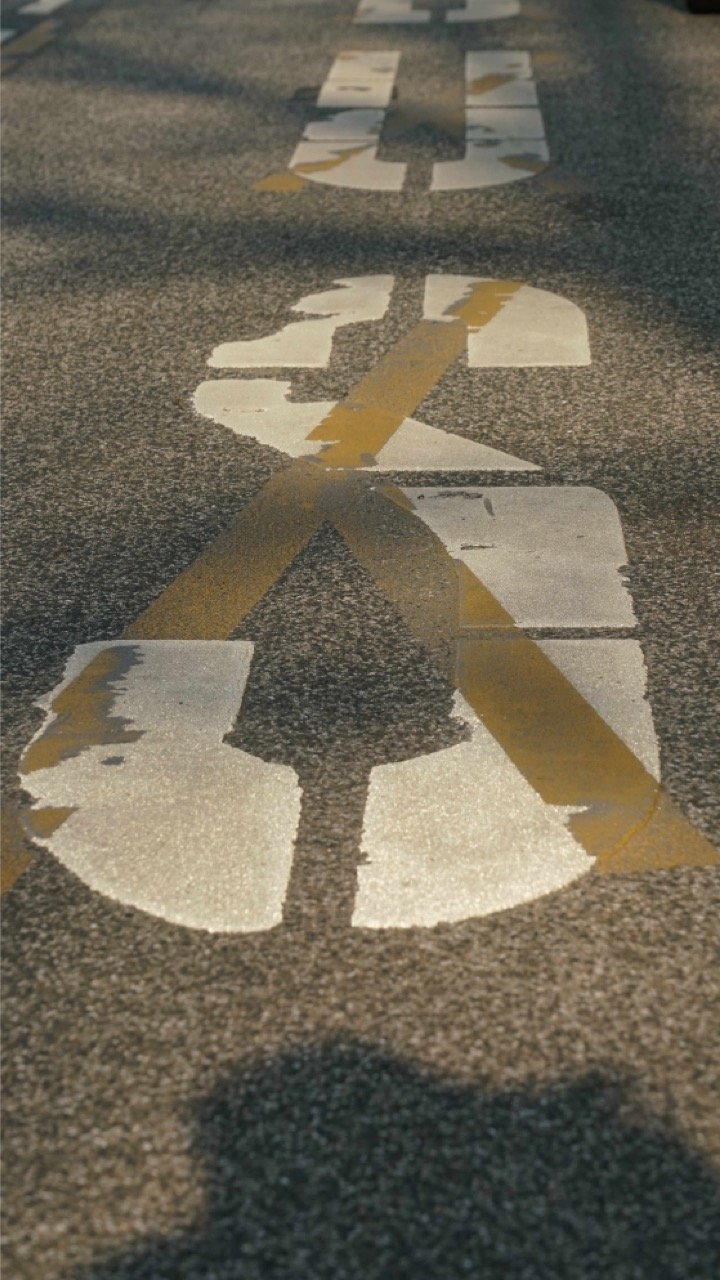
The letters were never meant to mean anything. Just “BUS,” marked to guide heavy vehicles through a system.
But if the B fades,or gets framed out. What’s left behind asks quietly:
Do I see us?
At first, it’s just a surface. A scuffed street, a worn-out lane. But then it lands differently. The word is smaller.
More human. The meaning shifts.
IIt begins to feel fragile — and, at the same time, collective.
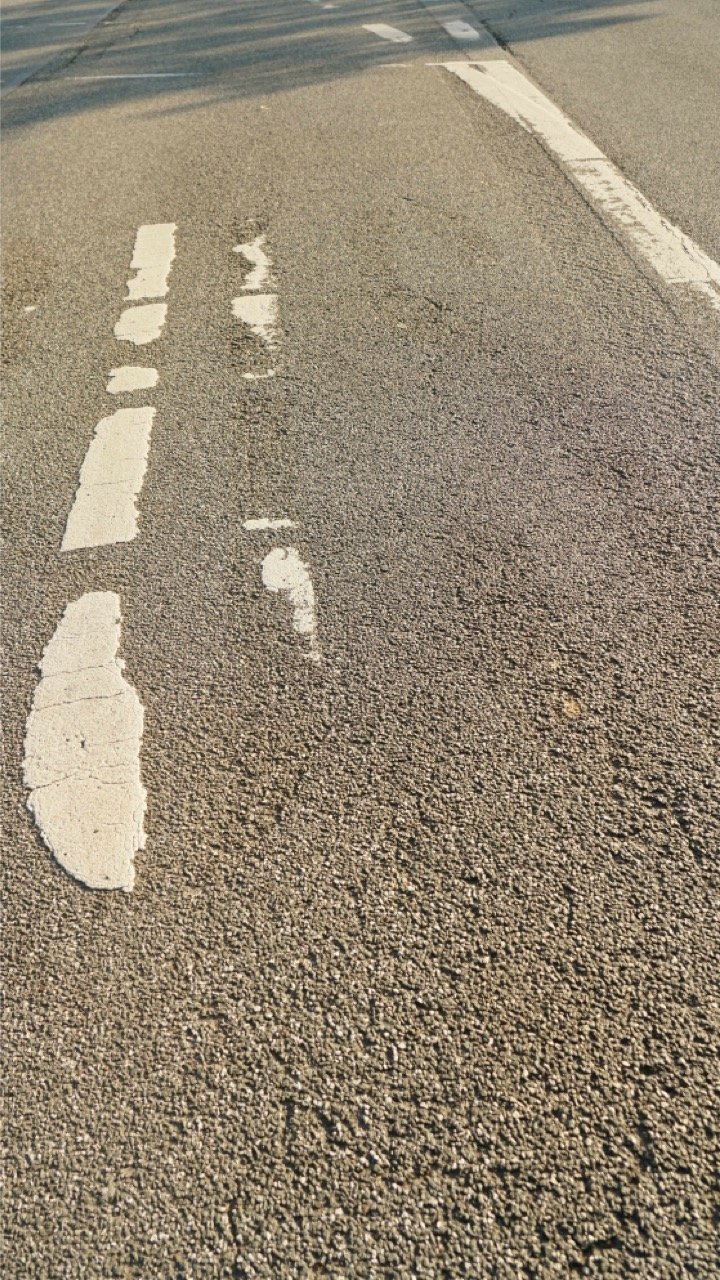
What looks like wear can feel like loss.
But maybe it’s something else — a trace.
Proof we passed through hard days and kept our shape. Together. True friends.
Not waiting for what’s next —
just remembering where we’ve been,
and where we’re never want going back.
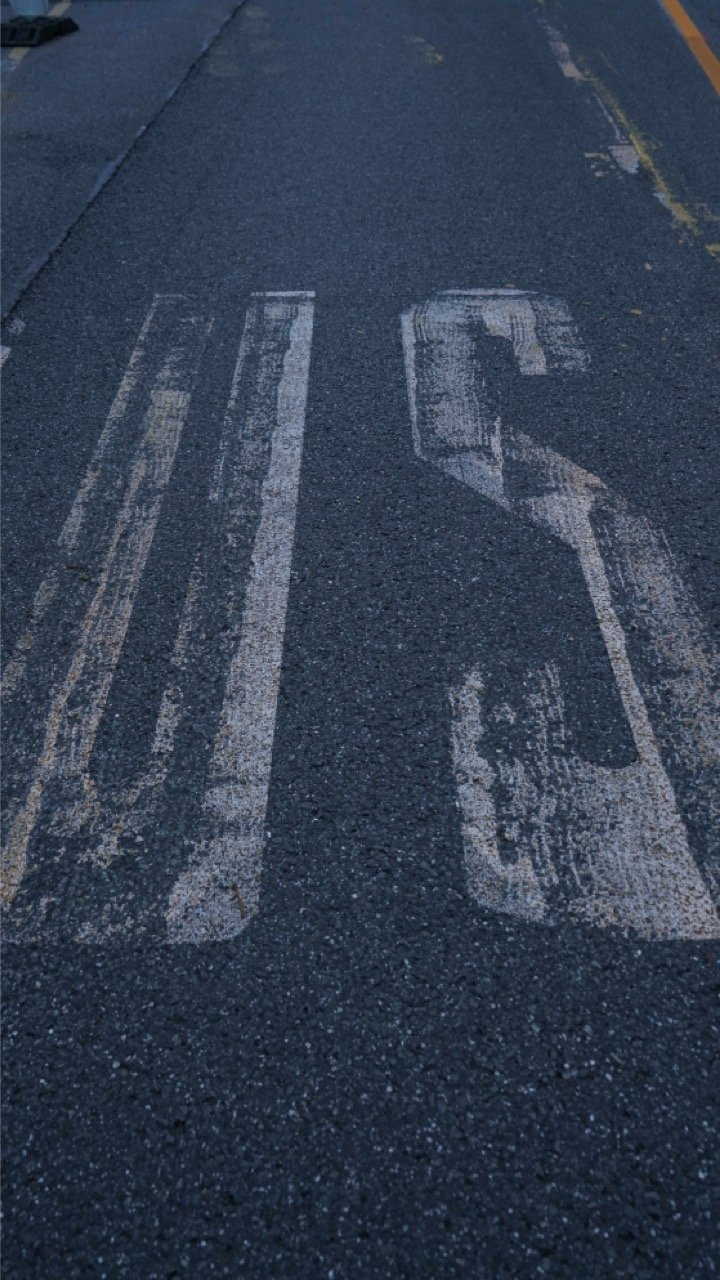
We don’t look down expecting to see ourselves. But there it is — in faded white paint, half-erased on cracked asphalt. Not a command, not a logo.
Just a word, quietly rearranged by weather and weight: US.
The “B” was never the point. It disappears under the pressure of what we build, what we move, what we overlook. What remains is a question: Are we still here?
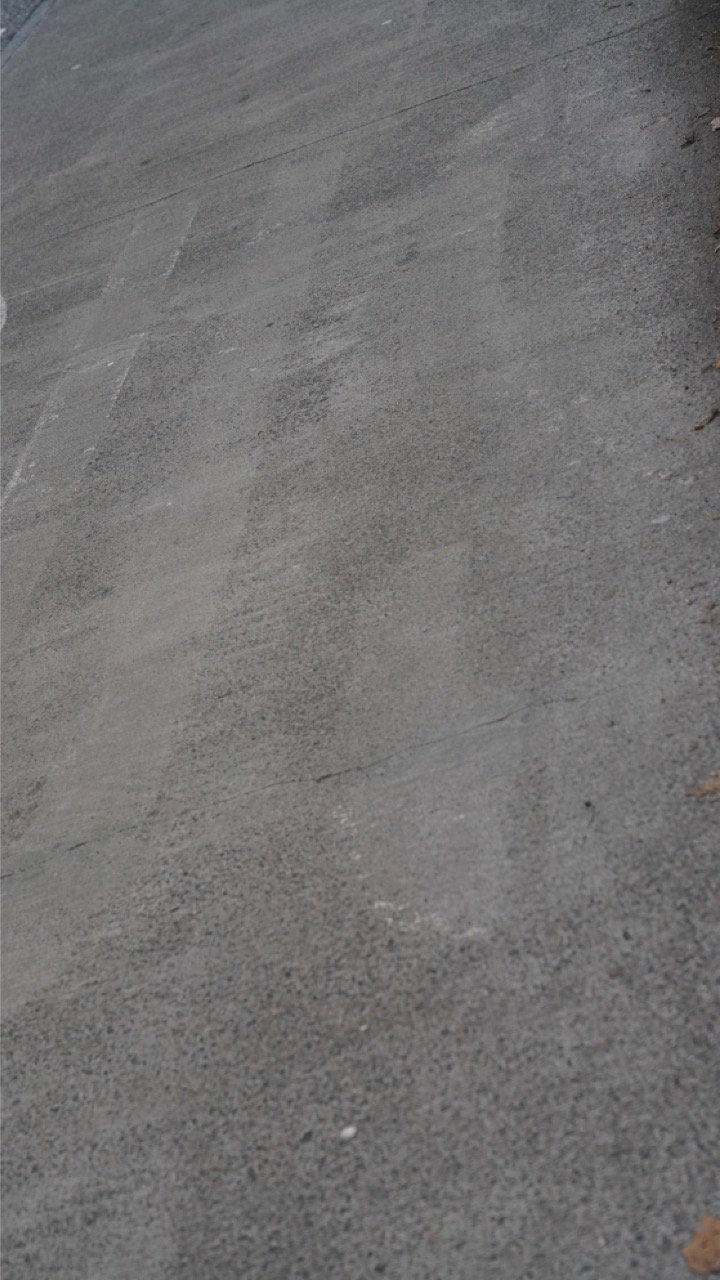
Urban surfaces forget quickly. Bus lanes are repainted. Temporary stations vanish. Construction layers over everything.
But this fragment lingers. It’s accidental, yes — but it reads like a message: an unfinished sentence, a mirror caught mid-thought.
Some works resemble loss. But they register presence.
The worn edges aren’t absence — they’re evidence. That something passed through. That someone stood here. That something mattered.These are not just remnants of lettering.
They are quiet portraits of a civic moment. A weather report in typeface. A record of where we are — socially, psychologically, politically.
To bring this onto the wall is not to declare a flag. It’s to hang a question. To mark the moment before the turn. A mirror, yes — but also a prompt. How did we get here?
And what would it take to make it better? That’s where the work shifts — from elegy to invitation.
Because to name the erosion is not to surrender to it. To see the fracture is the beginning of repair. What looks like collapse is also an opening.
What appears accidental is, now, intentional. Reframed. Claimed.This is not nostalgia. It’s navigation.
A reminder that “US” is still possible.
A quiet call — to paint the next line.
To reshape the narrative.To not only remember,but to rise.
To rise toward something shared. Something better. A new cohesion
A vision of community not yet lost — just waiting to be repainted.
With clarity. With care. With all of us in it.
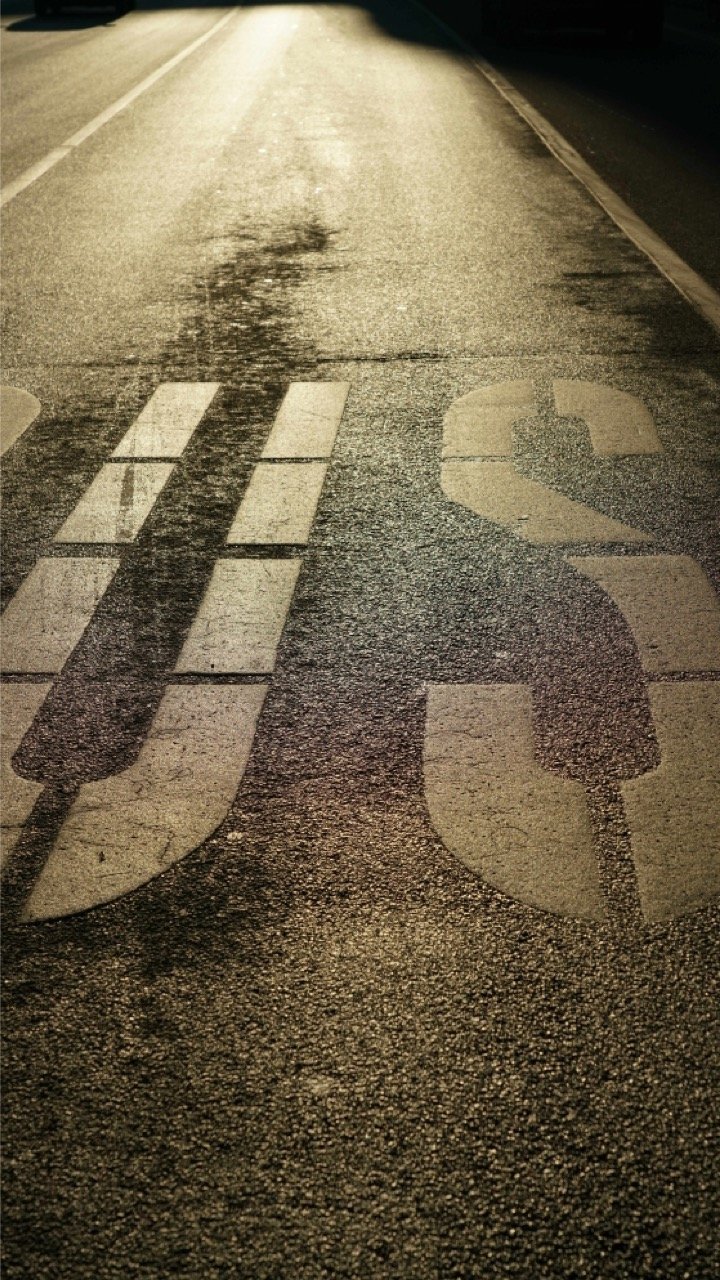
241001017138
US or US ?
2024
Inkjet print on fineart canvas.
ED. 1/1 140cm X 250cm
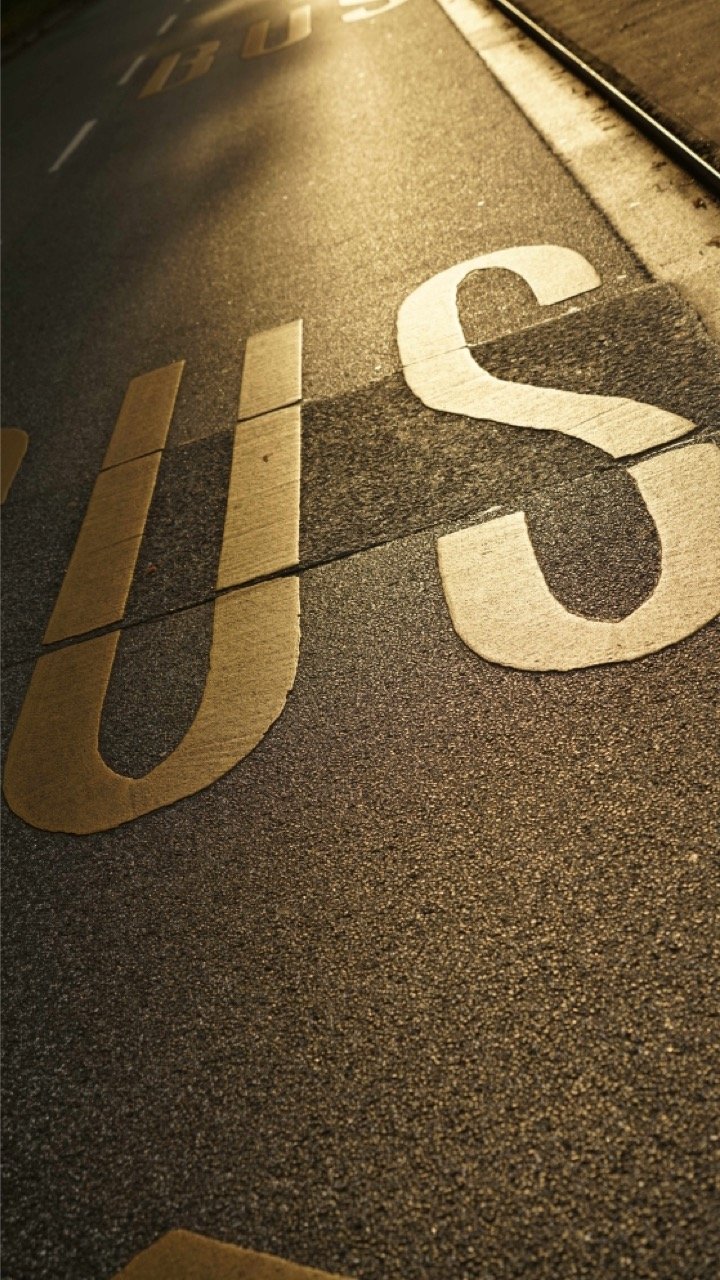
240902012120
US or US ?
2024
Inkjet print on fineart canvas.
ED. 1/1 140cm X 250cm
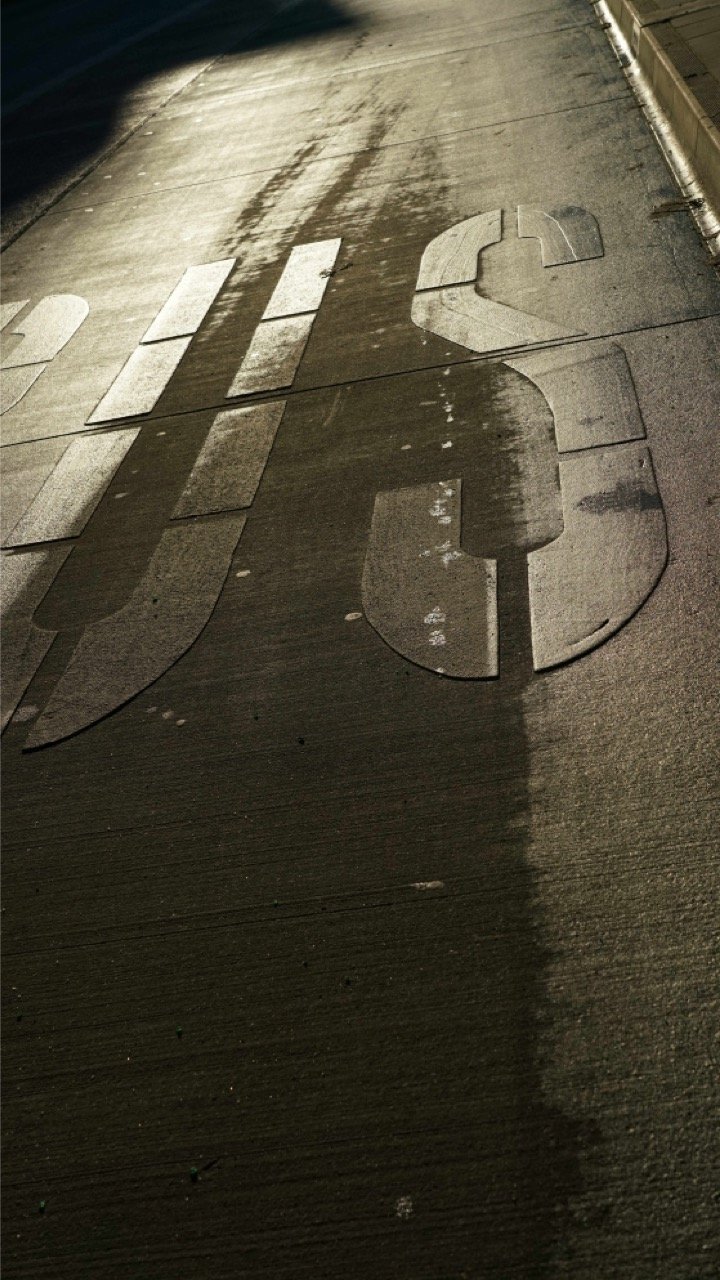
241001016989
US or US ?
2024
Inkjet print on fineart canvas.
ED. 1/1 140cm X 250cm
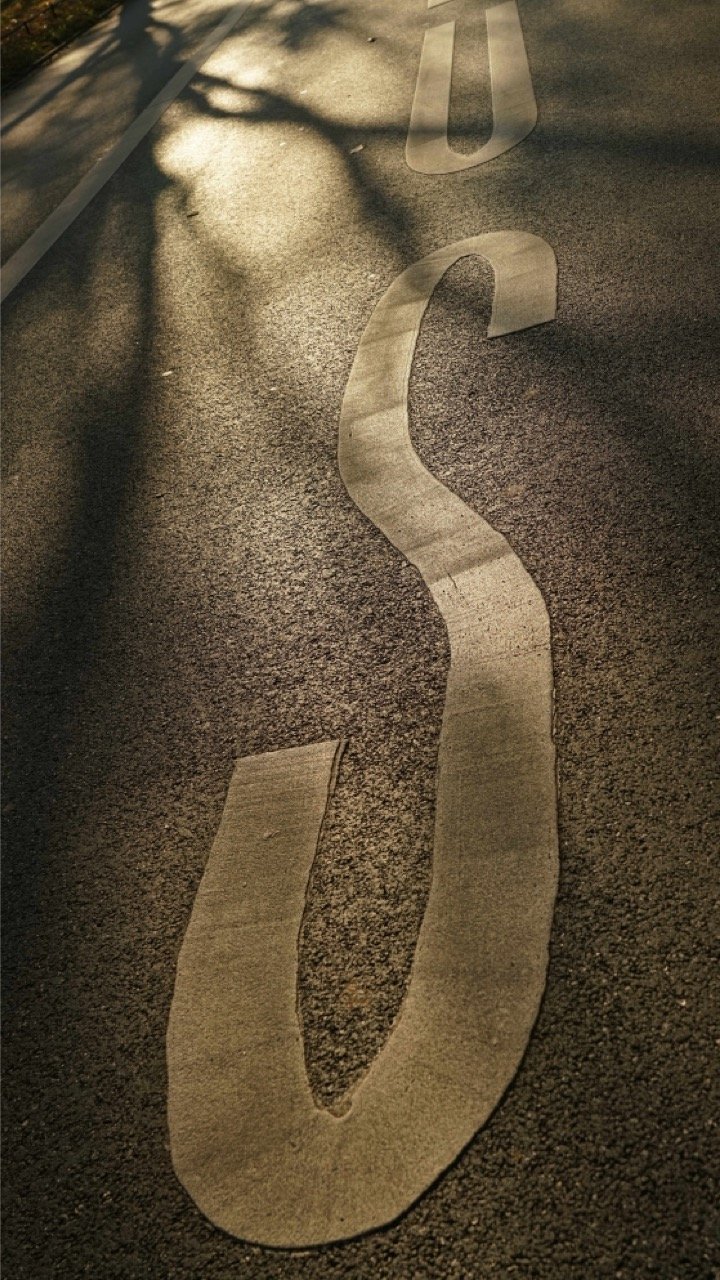
241001011476
US or US ?
2024
Inkjet print on fineart canvas.
ED. 1/1 140cm X 250cm
240902012061
US or US ?
2024
Inkjet print on fineart canvas.
ED. 1/1 140cm X 250cm
240901013094
US or US ?
2024
Inkjet print on fineart canvas.
ED. 1/1 140cm X 250cm
240902010348
US or US ?
2024
Inkjet print on fineart canvas.
ED. 1/1 140cm X 250cm
250201016897
US or US ?
2024
Inkjet print on fineart canvas.
ED. 1/1 140cm X 250cm
241001014635
US or US ?
2024
Inkjet print on fineart canvas.
ED. 1/1 140cm X 250cm
241001014682
US or US ?
2024
Inkjet print on fineart canvas.
ED. 1/1 140cm X 250cm
241001010679
US or US ?
2024
Inkjet print on fineart canvas.
ED. 1/1 140cm X 250cm
240902017459
US or US ?
2024
Inkjet print on fineart canvas.
ED. 1/1 140cm X 250cm
240902017985
US or US ?
2024
Inkjet print on fineart canvas.
ED. 1/1 140cm X 250cm
241001011178
US or US ?
2024
Inkjet print on fineart canvas.
ED. 1/1 140cm X 250cm
241001017175
US or US ?
2024
Inkjet print on fineart canvas.
ED. 1/1 140cm X 250cm
240901013100
US or US ?
2024
Inkjet print on fineart canvas.
ED. 1/1 140cm X 250cm
241001012473
US or US ?
2024
Inkjet print on fineart canvas.
ED. 1/1 140cm X 250cm
241001012493
US or US ?
2024
Inkjet print on fineart canvas.
ED. 1/1 140cm X 250cm
240902017331
US or US ?
2024
Inkjet print on fineart canvas.
ED. 1/1 140cm X 250cm
240902012073
US or US ?
2024
Inkjet print on fineart canvas.
ED. 1/1 140cm X 250cm
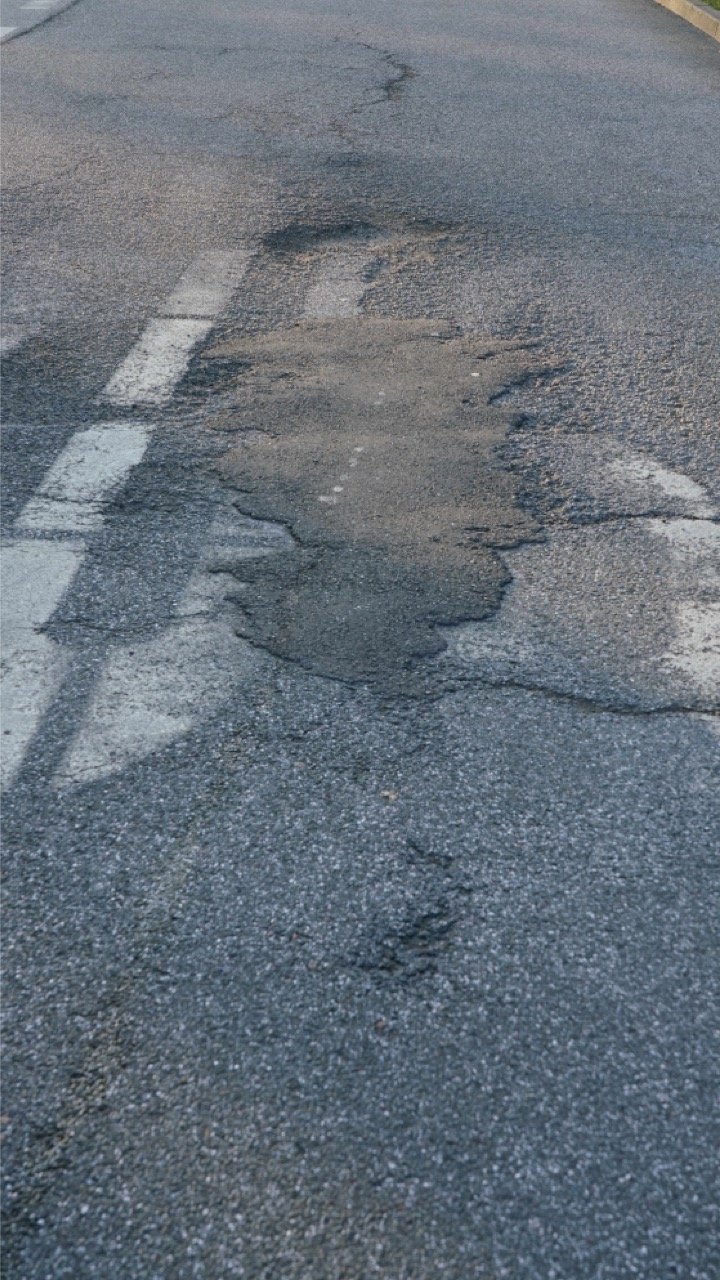
250301015301
US or US ?
2024
Inkjet print on fineart canvas.
ED. 1/1 140cm X 250cm
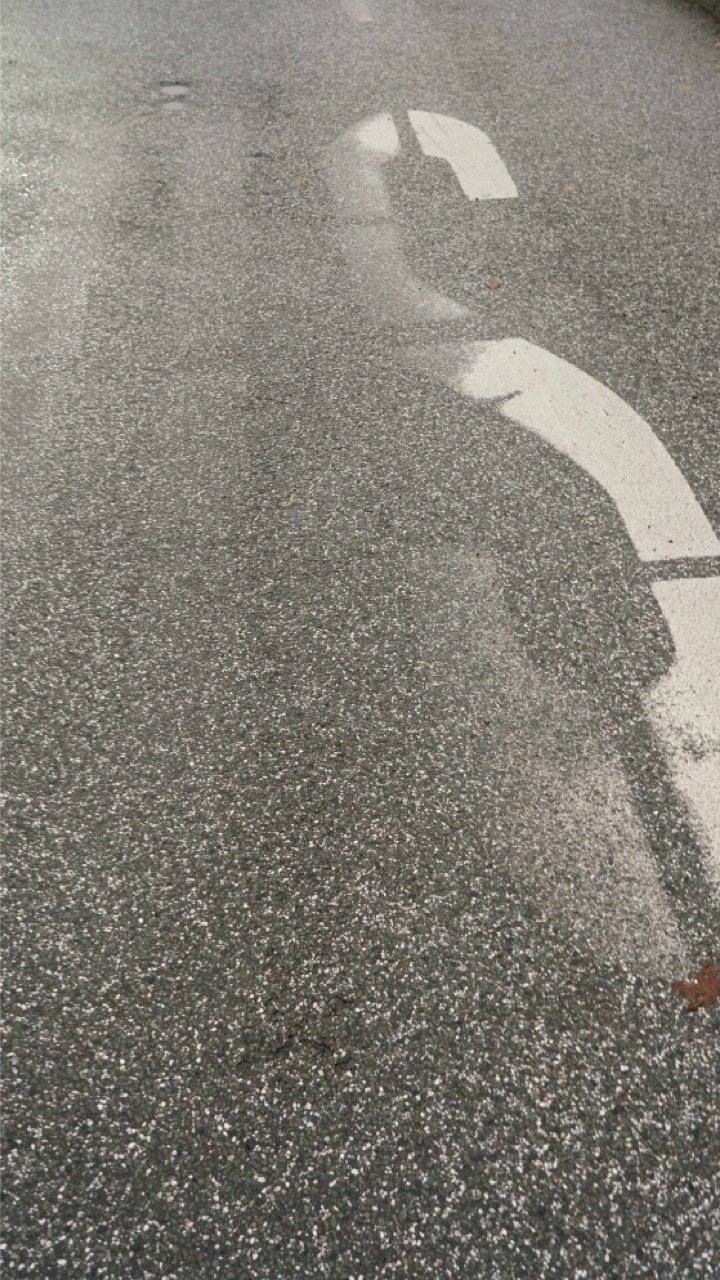
241001015084
US or US ?
2024
Inkjet print on fineart canvas.
ED. 1/1 140cm X 250cm
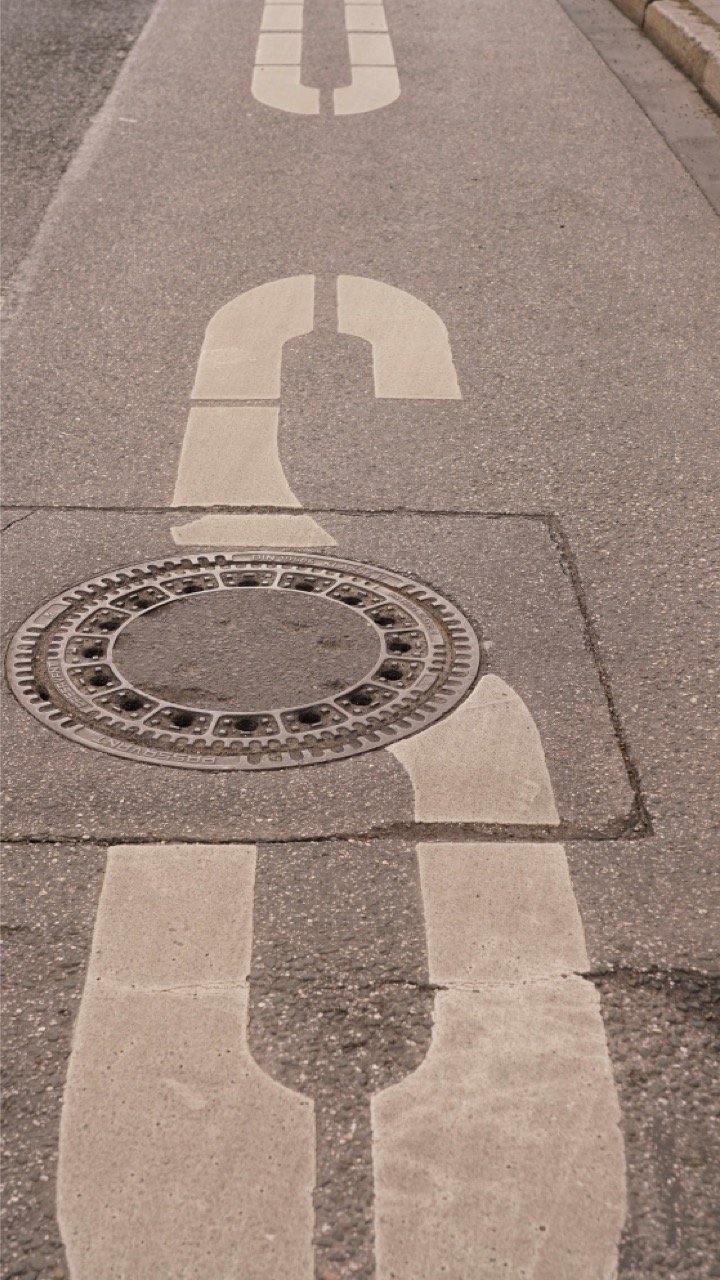
250301014642
US or US ?
2024
Inkjet print on fineart canvas.
ED. 1/1 140cm X 250cm
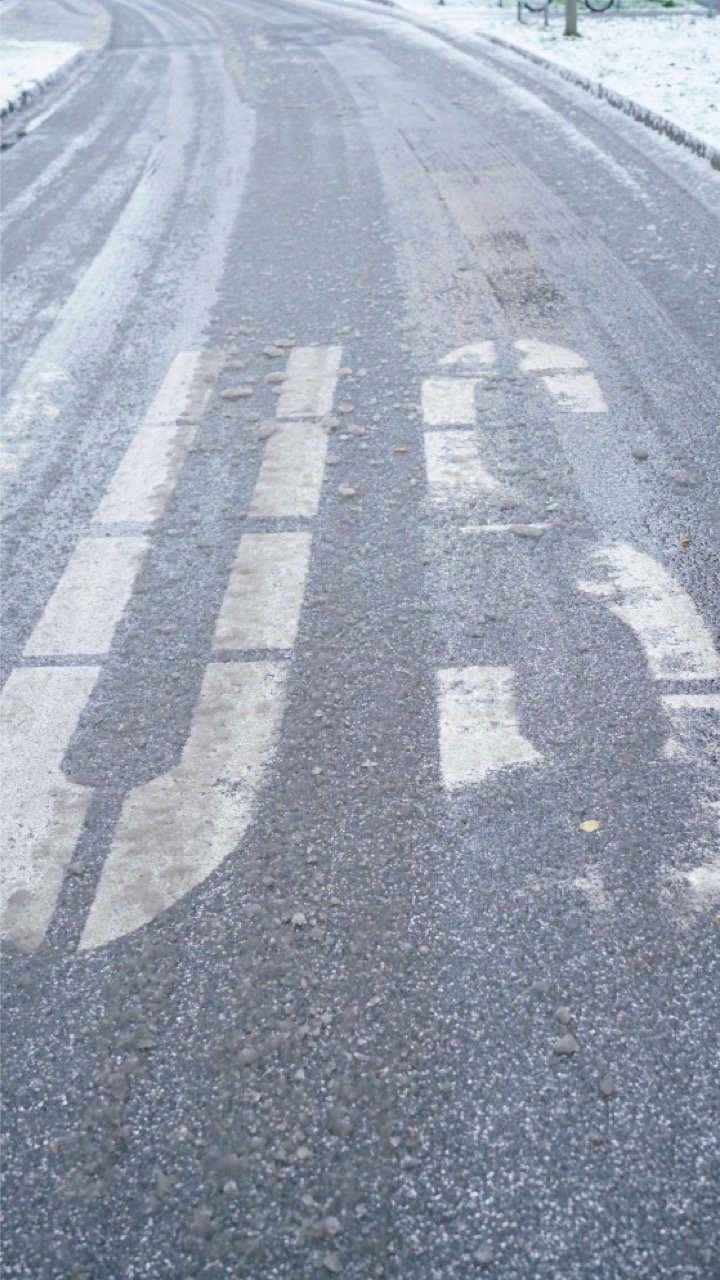
241001015549
US or US ?
2024
Inkjet print on fineart canvas.
ED. 1/1 140cm X 250cm
240806019064
US or US ?
2024
Inkjet print on fineart canvas.
ED. 1/1 140cm X 250cm
250301015236
US or US ?
2024
Inkjet print on fineart canvas.
ED. 1/1 140cm X 250cm
241001019367
US or US ?
2024
Inkjet print on fineart canvas.
ED. 1/1 140cm X 250cm
250301016107
US or US ?
2024
Inkjet print on fineart canvas.
ED. 1/1 140cm X 250cm
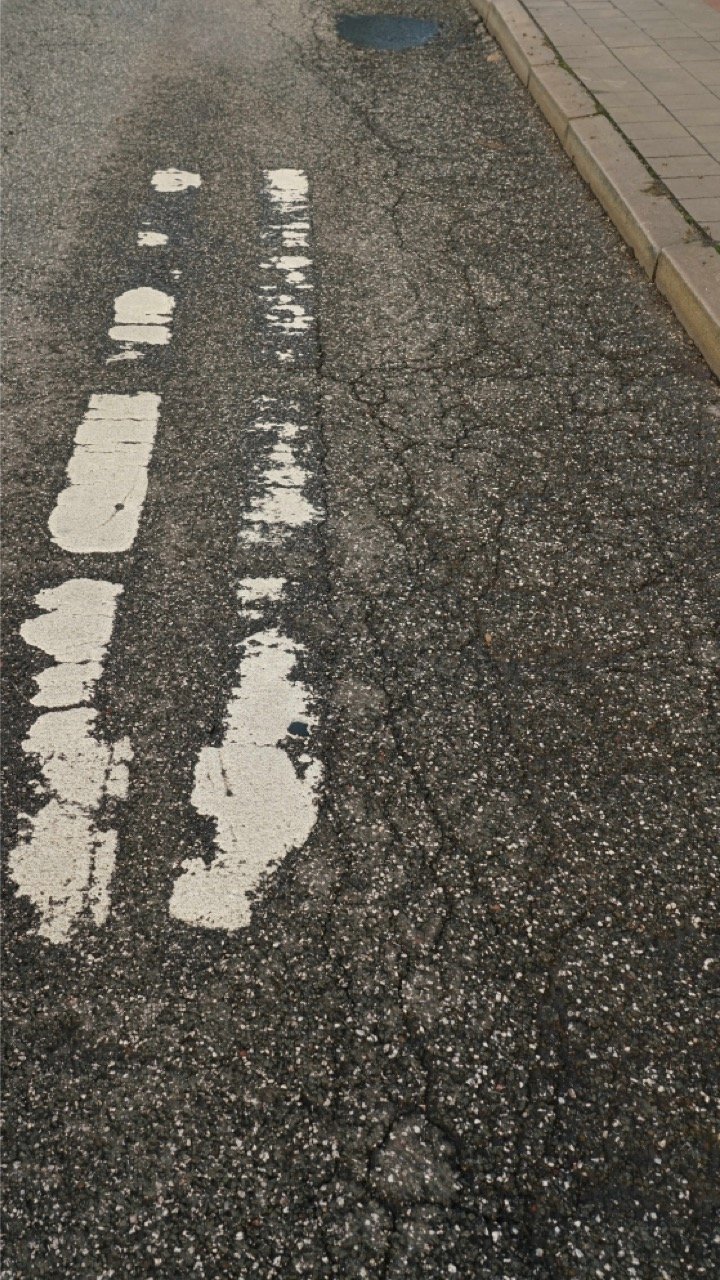
241001019554
US or US ?
2024
Inkjet print on fineart canvas.
ED. 1/1 140cm X 250cm
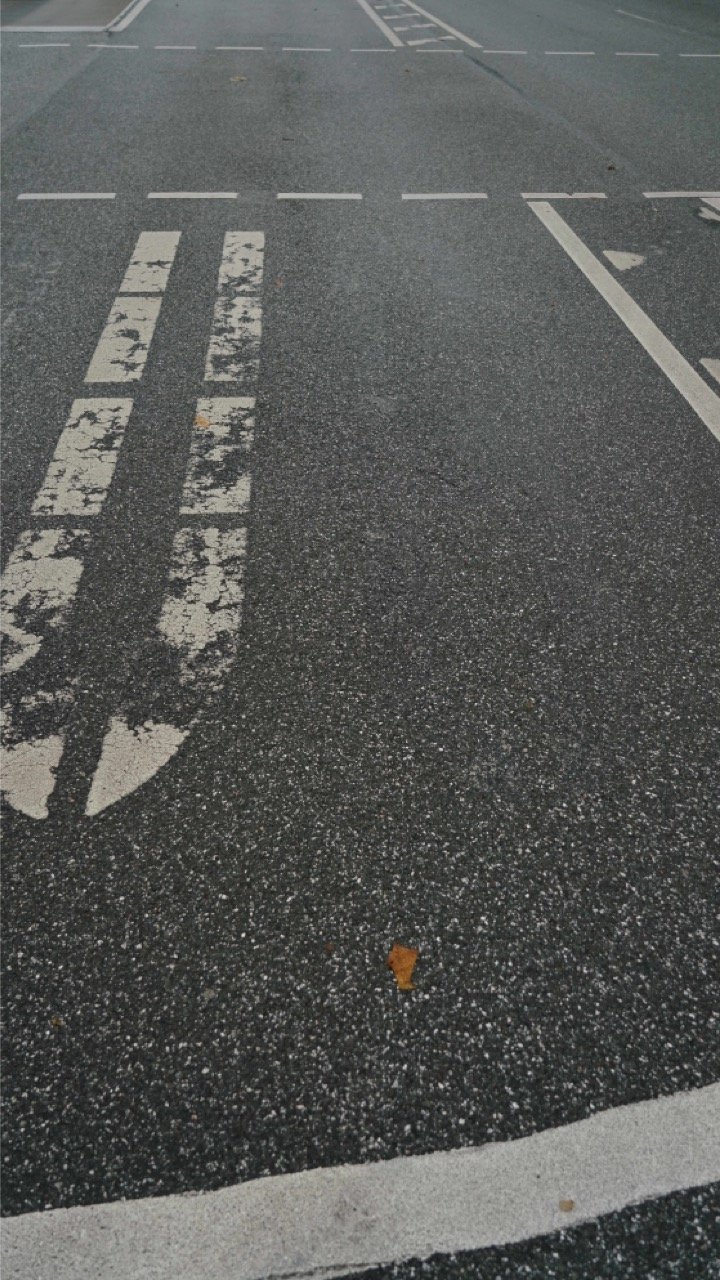
250301010205
US or US ?
2024
Inkjet print on fineart canvas.
ED. 1/1 140cm X 250cm
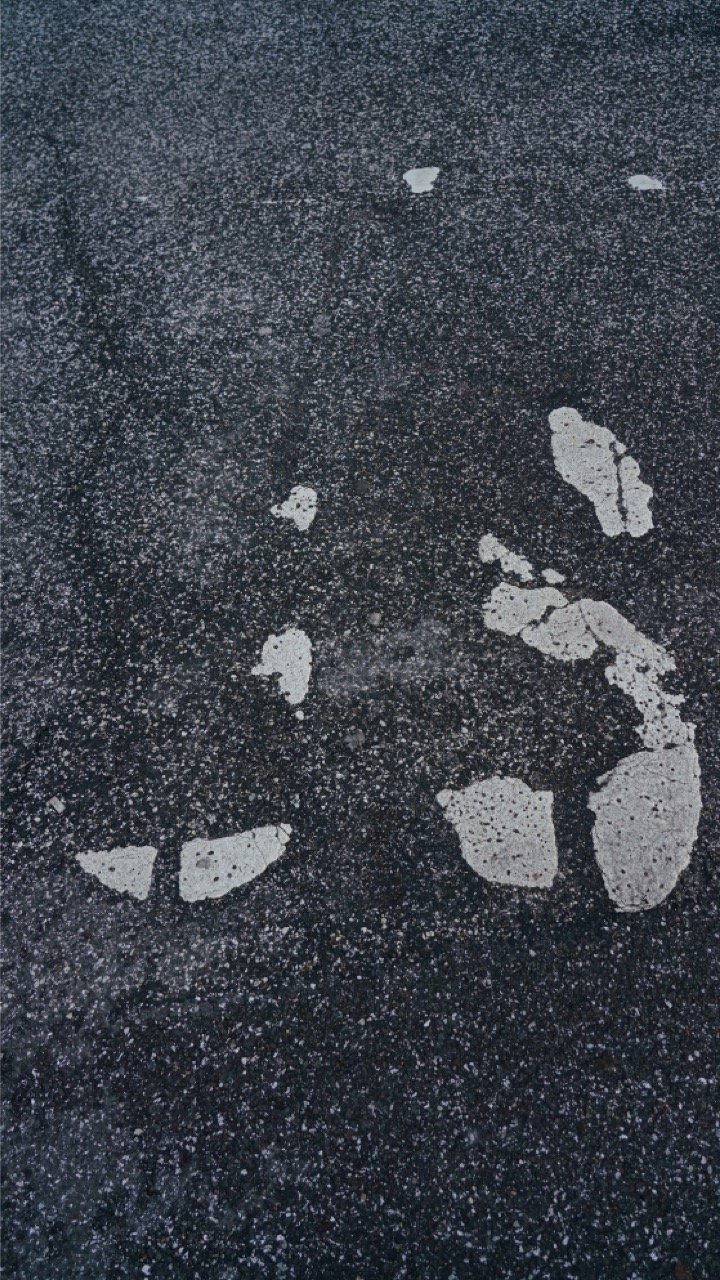
250201015683
US or US ?
2024
Inkjet print on fineart canvas.
ED. 1/1 140cm X 250cm
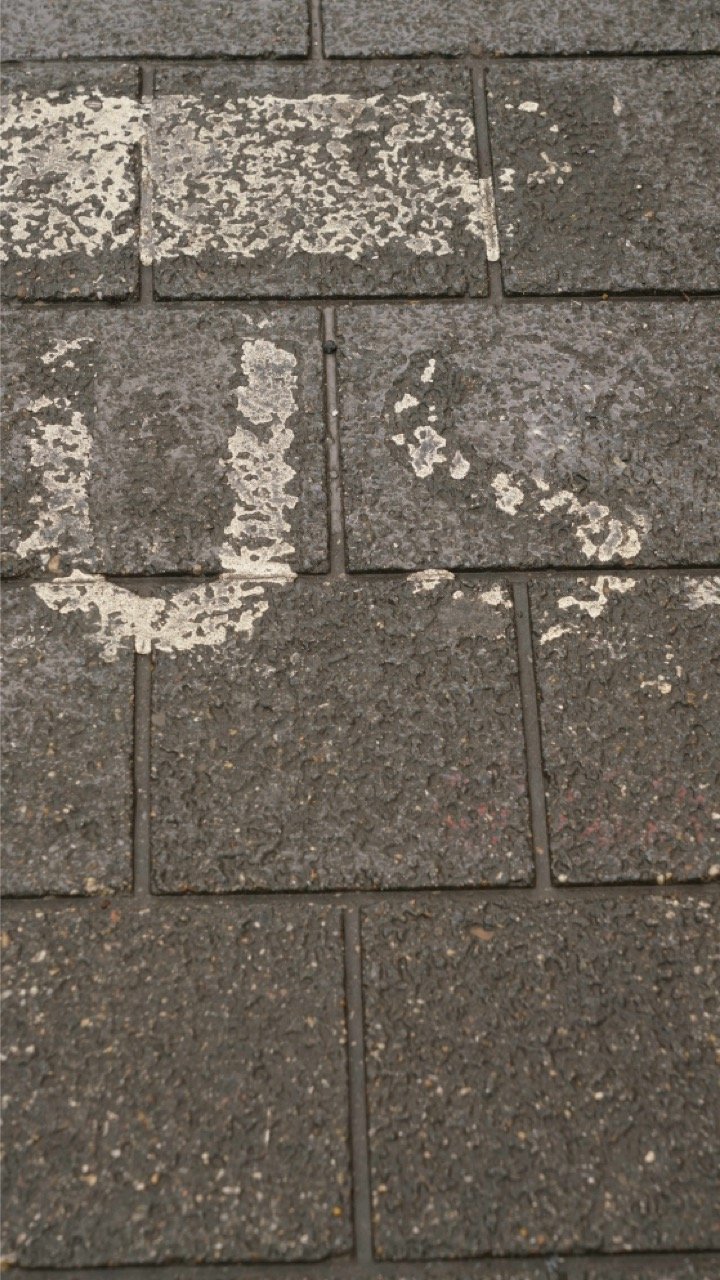
250301012273
US or US ?
2024
Inkjet print on fineart canvas.
ED. 1/1 140cm X 250cm
241001019754
US or US ?
2024
Inkjet print on fineart canvas.
ED. 1/1 140cm X 250cm
241201013368
US or US ?
2024
Inkjet print on fineart canvas.
ED. 1/1 140cm X 250cm
241201013312
US or US ?
2024
Inkjet print on fineart canvas.
ED. 1/1 140cm X 250cm
240902012083
US or US ?
2024
Inkjet print on fineart canvas.
ED. 1/1 140cm X 250cm
250201017113
US or US ?
2024
Inkjet print on fineart canvas.
ED. 1/1 140cm X 250cm
241001017240
US or US ?
2024
Inkjet print on fineart canvas.
ED. 1/1 140cm X 250cm
241201017112
US or US ?
2024
Inkjet print on fineart canvas.
ED. 1/1 140cm X 250cm
250301016141
US or US ?
2024
Inkjet print on fineart canvas.
ED. 1/1 140cm X 250cm

242424010001
Did little marky really drop his iced lolly? BAMM!
Inkjet print on fineart canvas.
ED. 1/1 140cm X 250cm
242424010001
Did little marky really drop his iced lolly? BAMM!
Inkjet print on fineart canvas.
ED. 1/1 140cm X 250cm
240701010847
Mentally disabled painter.
Inkjet print on fineart canvas.
ED. 1/1 140cm X 250cm
242424010001
Did little marky really drop his iced lolly? BAMM!
Inkjet print on fineart canvas.
ED. 1/1 140cm X 250cm
242424010001
Did little marky really drop his iced lolly? BAMM!
Inkjet print on fineart canvas.
ED. 1/1 140cm X 250cm
242424010001
Did little marky really drop his iced lolly? BAMM!
Inkjet print on fineart canvas.
ED. 1/1 140cm X 250cm
242424010001
Did little marky really drop his iced lolly? BAMM!
Inkjet print on fineart canvas.
ED. 1/1 140cm X 250cm
242424010001
Did little marky really drop his iced lolly? BAMM!
Inkjet print on fineart canvas.
ED. 1/1 140cm X 250cm
242424010001
Did little marky really drop his iced lolly? BAMM!
Inkjet print on fineart canvas.
ED. 1/1 140cm X 250cm
242424010001
Did little marky really drop his iced lolly? BAMM!
Inkjet print on fineart canvas.
ED. 1/1 140cm X 250cm
242424010001
Did little marky really drop his iced lolly? BAMM!
Inkjet print on fineart canvas.
ED. 1/1 140cm X 250cm
242424010001
Did little marky really drop his iced lolly? BAMM!
Inkjet print on fineart canvas.
ED. 1/1 140cm X 250cm
COLLECTORS ANCHOR
COLLECTORS
COLLECTOR’S PAGE
Yo AH! has spent over 40 years turning narratives into powerful images that pull viewers into another world. His visual art doesn’t just capture moments—it creates connections, sparking deeper conversations. In a time when all eyes turn towards AI, real photography still remains essential, especially when a concept demands to be grounded in reality. Wally’s work thrives at the crossroads of the real and the symbolic, using a camera, instead of brushes or prompts, to capture raw authenticity and create worlds that feel both immediate and meaningful.
As Joseph Campbell put it, “Every generation must create its own mythology, its own symbols.” Wally’s work is a testament to that—
creating new symbols, grounded in our real world, that will resonate with both today’s audience and future generations.
Collector’s interested in aquiring please get in contact via your specific work’s “aquire”button.
Collector’s interested in buying Limited Editions please get to the shop, or get in contact via the “aquire”button.
soon more…
soon more…
soon more…
GALLERISTS ANCHOR
GALLERIST
GALLERIST’S PAGE
If you’re a top-tier gallerist in a region where Yo AH! is not yet represented, consider this an invitation to reach out.
Let’s explore whether we’re a good fit and discuss how we can together introduce fresh, relevant discourse to your region’s art community.
soon more
soon more
soon more
NEWS ANCHOR
NEWS
Itsa Bertsy appreciates when journalists connect with his work.
When they write about it, the ideas travel further.
If even one open-minded person starts to see things differently, the work has done its job.
Artists and journalists share the same goal: making people aware.
Yo AH! is a visual powerhouse whose position contributes contemporary relevance to the art canon.
For over 40 years, he has crafted striking visual narratives for the world’s top brands,
turning commercials and campaigns into cinematic experiences that border on art.
Today,, he brings that same mastery to his fine art, creating images that feel real, immersive, and symbolically rich.
“His Name Speaks Volumes: Wally A’Power—Art That Powers the Walls, Moments That Power Our Minds.”
EXHIBITIONS:
- TRANSFORMATION – Sam & Ross Gallery Londion Hamburg. Groupshow Winter 2026
- GIFT OF LIGHT – Sam & Ross Gallery Londion Hamburg. Groupshow Winter 2025
soon more…
soon more…
soon more…
>>>THANKS FOR YOUR VISIT<<<
BAD IDEA TO SOON COME AGAIN,
OR TO RECOMMEND THIS PAGE TO A FRIEND?
Copyright Yo AH!, Visual Artist